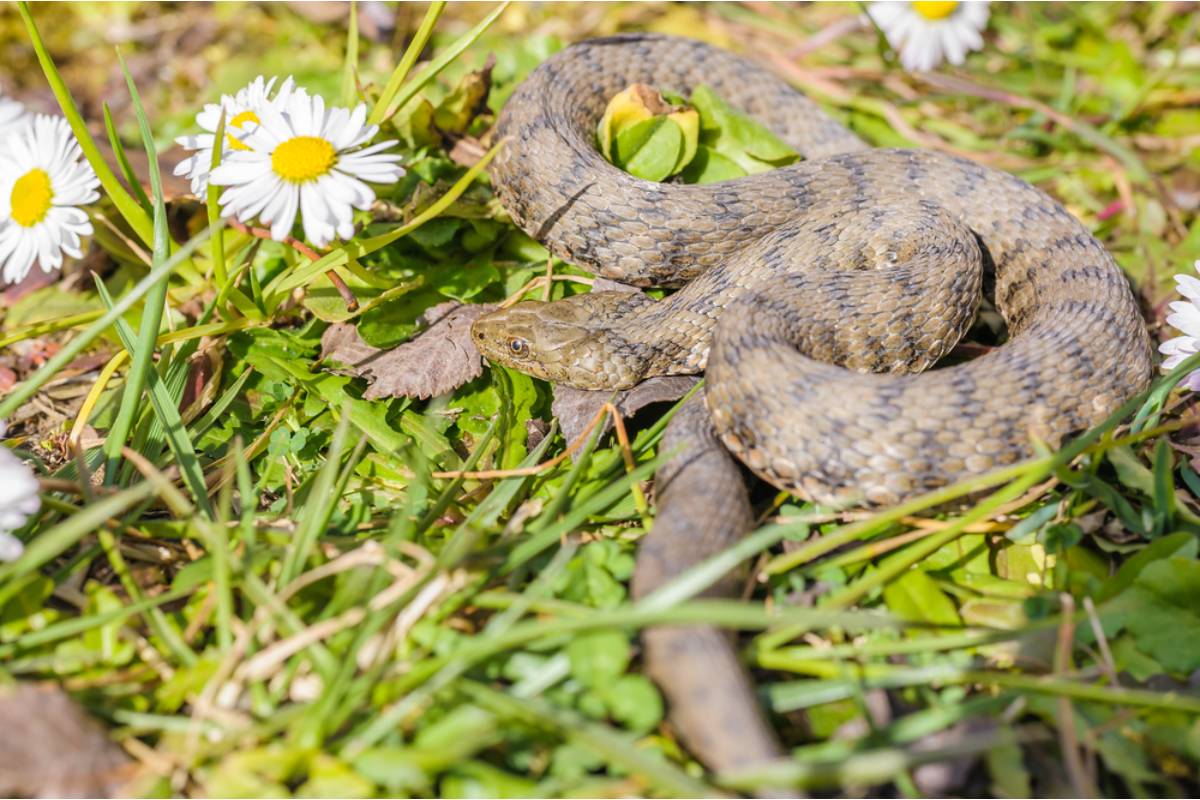
Gardener Says a Neighbor Insisted Her Wildflower Patch Was “Attracting Snakes,” Now Animal Control Has Been Called Twice and She’s Refusing to Tear It Out
The wildflower patch started as a simple attempt to bring more pollinators into a quiet suburban yard. The gardener replaced a small section of lawn near the fence with native blooms that attracted bees, butterflies, and hummingbirds within weeks. At first, everything looked peaceful and even improved the overall feel of the neighborhood. But a complaint from next door quickly shifted the mood. What was once a small gardening choice turned into a growing dispute.
First blooms attract more attention than expected
The wildflowers grew faster than she anticipated, filling the corner of the yard with dense color and movement. Bees hovered constantly, and butterflies settled in clusters throughout the patch. The gardener was pleased with the increase in pollinator activity and assumed neighbors would appreciate it too. For a while, people walking past even stopped to look. That changed after one neighbor made a concerned comment over the fence.
A warning about snakes appears suddenly
The neighbor told her that thick vegetation like that could attract snakes, especially in warmer months. He pointed toward the dense base of the flowers and said it looked like a hiding place. The gardener explained the plants were native and commonly used in local conservation efforts. The neighbor did not seem convinced. He repeated that snakes were a real concern in residential yards.
First call to animal control without warning
A few days later, she saw an animal control truck slow down near her property. An officer stepped out and asked if she had been experiencing snake activity. She was surprised and said no incidents had occurred. The officer explained they received a report about potential habitat conditions. After a quick inspection, he found nothing unusual and left without issue.
Wildflowers continue to spread and thicken
As the season progressed, the patch became denser and taller than before. Some stems reached knee height, creating layered coverage near the fence line. The gardener trimmed pathways to keep it manageable but left most of it intact. Pollinators increased further, making the area feel alive and active. The neighbor continued to express discomfort about the growth.
Second animal control visit escalates concerns
Another complaint led to a second visit from animal control. This time, the officer walked more carefully through the yard and examined the base of the plants. Again, no signs of snakes or nests were found. The officer mentioned that wildflower habitats rarely create snake issues without other environmental factors. Still, the visit added pressure to the situation.
Neighbor suggests removing the entire patch
The neighbor directly asked if she would consider removing the wildflowers entirely. He said it would make everyone feel more comfortable and reduce perceived risks. The gardener refused, explaining the ecological purpose behind the planting. She pointed out that nothing dangerous had been found. The disagreement became more direct than before.
Small rumors spread through the block
Other neighbors began mentioning the situation casually during conversations. Some said they had heard there might be snakes in the area, even though no sightings were confirmed. The gardener noticed people walking slightly farther from her yard than usual. She felt the perception shifting even without evidence. The patch itself remained unchanged.
A garden consultant is brought in
She invited a local native plant specialist to evaluate the wildflower area. The consultant confirmed the plants were appropriate for the region and beneficial for pollinators. He also stated there was no environmental reason the patch would attract snakes on its own. That statement helped reassure her but did not calm neighborhood concerns. The divide between perception and reality widened.
Third complaint triggers formal review
A third call to animal control resulted in a more detailed inspection. Officers checked surrounding yards and drainage areas for possible wildlife activity. They again found no evidence of snakes or unsafe conditions. However, they noted repeated complaints from the same address. The issue was beginning to look more like a neighbor dispute than a safety concern.
Pressure to modify the landscape increases
The homeowner association informally suggested reducing plant density near shared boundaries. They said it might help ease tension and prevent further reports. The gardener considered trimming but hesitated to remove healthy native growth. She felt the requests were based on fear rather than facts. The patch remained intact.
A hidden camera captures nighttime movement
To address ongoing concerns, she installed a small motion camera facing the wildflower area. The footage showed only normal nighttime activity like insects and small birds. No snakes or unusual movement appeared in any recordings. She shared clips with the association as reassurance. The evidence did not match the claims being made.
Community split over the wildflower debate
Some neighbors supported her decision to keep the native garden, citing environmental benefits. Others still felt uneasy about the dense vegetation near property lines. Conversations at block gatherings became more divided. The gardener realized the issue was no longer just about plants. It had become about trust and perception.
Final resolution leaves the patch standing
After multiple inspections found no safety concerns, animal control stopped responding to new complaints. The wildflower patch remained in place and continued supporting pollinators throughout the season. The neighbor stopped making direct accusations but kept distance from the fence line. The gardener maintained the area without further changes. The disagreement faded, but the tension between the yards never fully disappeared.