Gardener Says a Neighbor Keeps Filming Her Garden for a True Crime Podcast About the Street’s History Without Ever Asking
For years, Melissa Grant considered her backyard garden the one place where she could escape from the noise of everyday life. She planted flowers, grew vegetables, and spent countless afternoons creating a peaceful space behind her home in a small neighborhood outside Portland, Oregon.
That sense of privacy changed when she noticed her neighbor repeatedly recording videos near her property. What she discovered about those recordings turned a quiet disagreement into a much larger conversation about privacy, history, and boundaries.
The Camera Appears Near the Garden Fence
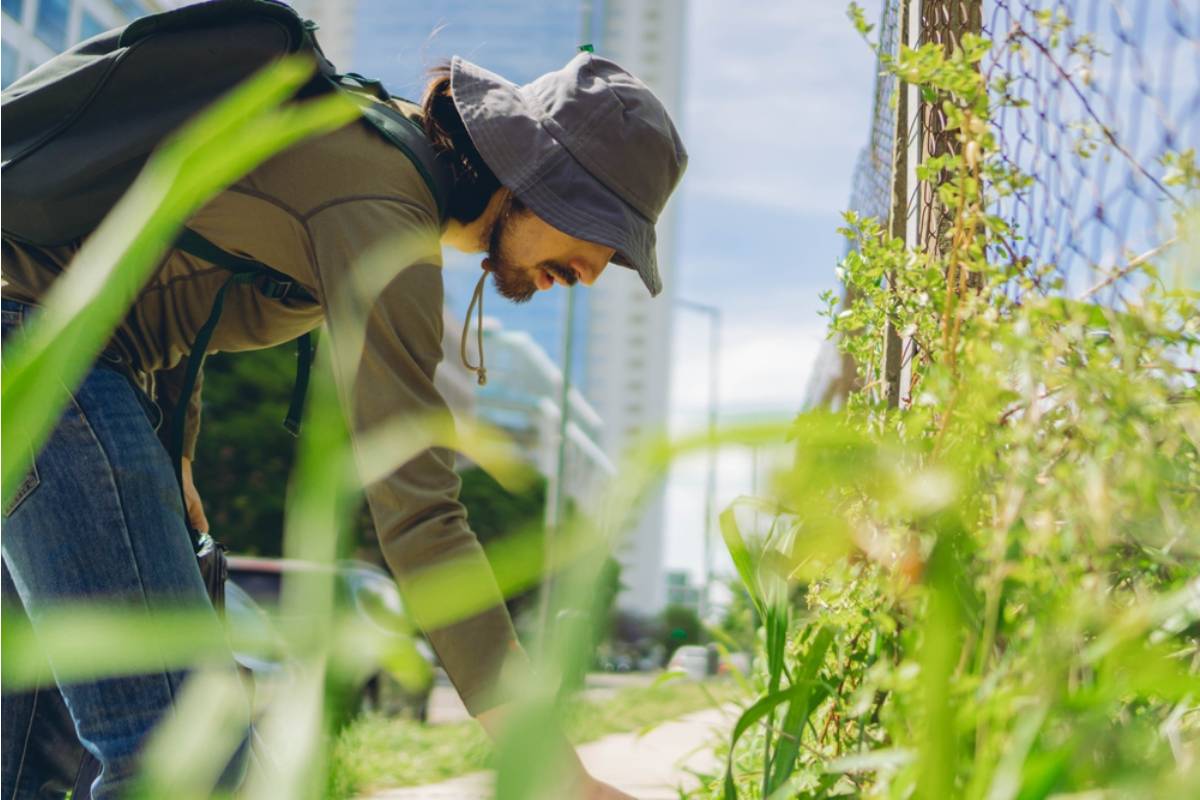
Melissa first noticed something unusual when she saw her neighbor, Aaron Collins, standing near the fence with a handheld camera pointed toward the row of plants along her backyard. At first, she assumed he was filming his own yard or documenting home improvements. Aaron had recently mentioned working on a personal project, so Melissa did not think much about it.
A few days later, she noticed him recording again. This time, he was walking slowly along the sidewalk, capturing views of several homes on the street. Melissa became curious because the camera seemed to focus on older houses, including parts of her garden that were visible beyond the fence. She wondered why someone would be so interested in ordinary neighborhood scenery.
The Garden That Became Her Personal Escape
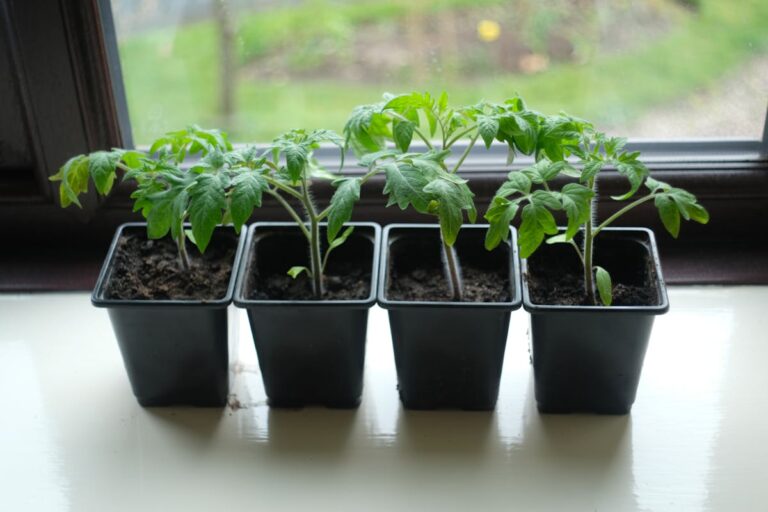
Melissa had lived in the neighborhood for more than fifteen years and had transformed her backyard into a carefully planned garden. She grew roses inherited from her grandmother, vegetables for her family, and native plants designed to attract butterflies. The garden was not professionally designed, but every section carried personal meaning.
Neighbors often complimented the space, and Melissa occasionally shared extra vegetables with people nearby. However, she considered the garden private because it was behind her home and separated by fencing. She never expected it to become part of someone else’s project without her knowledge.
Discovering the True Crime Podcast
Melissa finally learned what Aaron was doing when another neighbor sent her a link to an online podcast episode. The show explored the history of their street, including old property records, past residents, and a decades-old crime that had occurred nearby. To Melissa’s surprise, the episode included video footage showing her garden from outside the fence.
She listened carefully and realized Aaron was the person behind the podcast. The show discussed the neighborhood’s history and used images of several homes to create a visual story. Melissa understood why someone might be interested in local history, but she felt uncomfortable that her property had appeared without anyone asking her.
The First Conversation Between Neighbors
Melissa decided to speak with Aaron directly instead of immediately complaining. She approached him while he was outside filming and asked why he had recorded her garden. Aaron seemed surprised and explained that he was creating a documentary-style podcast about the history of the street.
He told her he had no intention of invading her privacy. He explained that he filmed public areas and believed anything visible from the sidewalk was acceptable to include. Melissa listened but told him that her garden was not just part of the scenery to her. She felt that using images of her property without asking crossed a personal boundary.
Aaron Explains the Story Behind His Project
During their conversation, Aaron explained that he had become interested in the neighborhood after discovering old newspaper articles about events that happened there decades earlier. He wanted to preserve stories from longtime residents before they disappeared. His goal was to create a record of the street’s history for future generations.
Melissa appreciated the effort but questioned why he had not spoken with homeowners before recording. Aaron admitted that he had focused more on gathering information than communicating with neighbors. He believed his project was harmless, but he realized that some residents might feel differently.
The conversation ended politely, but Melissa still felt uneasy.
Other Residents Share Similar Concerns
After speaking with Melissa, Aaron’s project became a topic among neighbors. Some residents enjoyed hearing about the history of their street and appreciated his research. Others said they would have preferred to know beforehand if their homes or gardens would appear in the podcast.
Several neighbors admitted they had also seen Aaron filming but assumed he was working on something unrelated. One homeowner said she was surprised to hear personal stories about former residents connected to houses on the street. The discussion revealed that many people had different ideas about where public interest ended and personal privacy began.
A Past Mystery Brings More Attention
The situation became more complicated when Aaron released an episode focusing on the old crime that had happened near the neighborhood decades earlier. The episode received more attention than his previous recordings because listeners were fascinated by the mystery. More people began searching for information about the street, and some recognized the locations shown in the videos.
Melissa worried that increased attention could bring unwanted visitors near her home. She was not against preserving history, but she did not want her garden to become a recognizable landmark connected to a crime story. She felt that Aaron had not considered how his project might affect the people currently living there.
The Community Meeting Gets Heated
A neighborhood association meeting was organized after several residents requested a discussion about the podcast. Aaron attended and explained his intentions to everyone. He brought copies of his research and explained that he wanted to celebrate the community’s history, not create problems.
During the meeting, some residents defended Aaron and said he had created something interesting and educational. Others argued that homeowners should have been consulted before their properties appeared in the project. Melissa explained that her issue was not the podcast itself but the lack of communication.
The meeting became emotional because both sides believed they were protecting something valuable.
Aaron Reviews His Approach
After hearing the concerns, Aaron decided to review every episode he had created. He admitted that he had focused on historical accuracy while overlooking how residents might feel seeing their homes and gardens included. He contacted several homeowners whose properties appeared in his videos.
Aaron offered to remove certain footage or edit sections if residents were uncomfortable. Melissa appreciated that he took the concerns seriously. She told him that the conversation could have been avoided if he had simply introduced himself before recording.
A New Partnership Forms Unexpectedly
Instead of ending the project, Melissa and Aaron found a way to work together. Melissa agreed to share information about the history of gardens and landscaping changes in the neighborhood. She also connected Aaron with older residents who had stories about the street’s past.
The podcast changed direction and began including interviews with residents rather than only focusing on locations. Aaron still documented historic details, but he made sure people felt included. Melissa became one of the first guests featured in the updated format.
The Garden Becomes Part of a Different Story
Months later, Melissa’s garden appeared in an episode, but this time it was included with her permission. The focus was not on crime or mystery but on how residents had shaped the neighborhood over generations. Melissa talked about the plants she grew and why gardening had become important to her.
The experience changed her opinion about the project. She still believed people should ask before recording private spaces, but she also recognized the value of preserving community stories. What started as a disagreement became an opportunity to connect neighbors.
The Street Looks at Its History Differently
The podcast eventually became a popular local project because it included voices from many residents. Instead of focusing only on old events, Aaron began highlighting the people who lived there and the memories they created. Neighbors who once disagreed about the project started contributing their own stories.
The community learned that history was not just about buildings or past events. It was also about the people who cared for those places every day. Melissa’s garden became a symbol of that idea.
A Lesson About Respect and Curiosity
Melissa never expected her garden to become connected to a true crime podcast. She originally saw Aaron’s camera as a threat to her privacy, and she worried that her quiet space had been taken from her. Over time, she realized the situation was more complicated than she first believed.
Aaron learned that curiosity and good intentions did not replace the need for respect. Melissa learned that conversations could turn uncomfortable situations into opportunities for understanding. Their disagreement showed the neighborhood that preserving history requires more than collecting stories. It requires listening to the people who are still living those stories today.