Some Backyard Gardeners Are Growing Their Own Loose Pollinator Strips Between Rows Instead of Mowed Paths, And Their Vegetable Yields Are Going Up Because of It
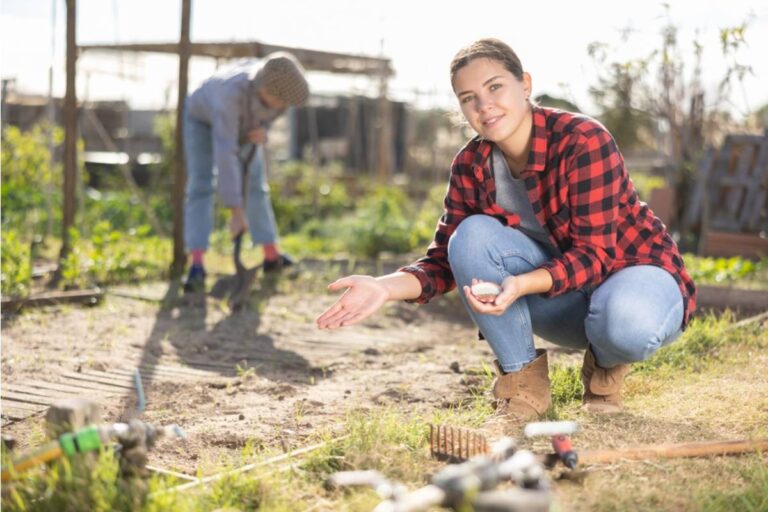
A small suburban gardening group in a Midwest town started experimenting with something unusual after noticing their traditional layouts were not producing as much as expected. Instead of keeping tight, mowed paths between vegetable rows, a few gardeners let wild flowering plants grow in thin strips of soil. At first, it looked like neglect, not planning. Neighbors questioned whether the gardens were being abandoned or mismanaged. But over time, something unexpected started happening that changed how the entire group thought about garden design.
A Local Extension Talk Sparks the Idea
The idea came during a community workshop hosted by a county extension agent at the public library. The speaker mentioned that pollinator activity often drops sharply in overly manicured gardens. One retired gardener in the audience asked what would happen if you left intentional wild strips between crops instead of mowing everything flat. The agent did not dismiss it, only suggested it had not been widely tested in home gardens. That comment was enough for a few people to try it on their own plots.
First Plots Switch From Grass Paths to Wild Strips
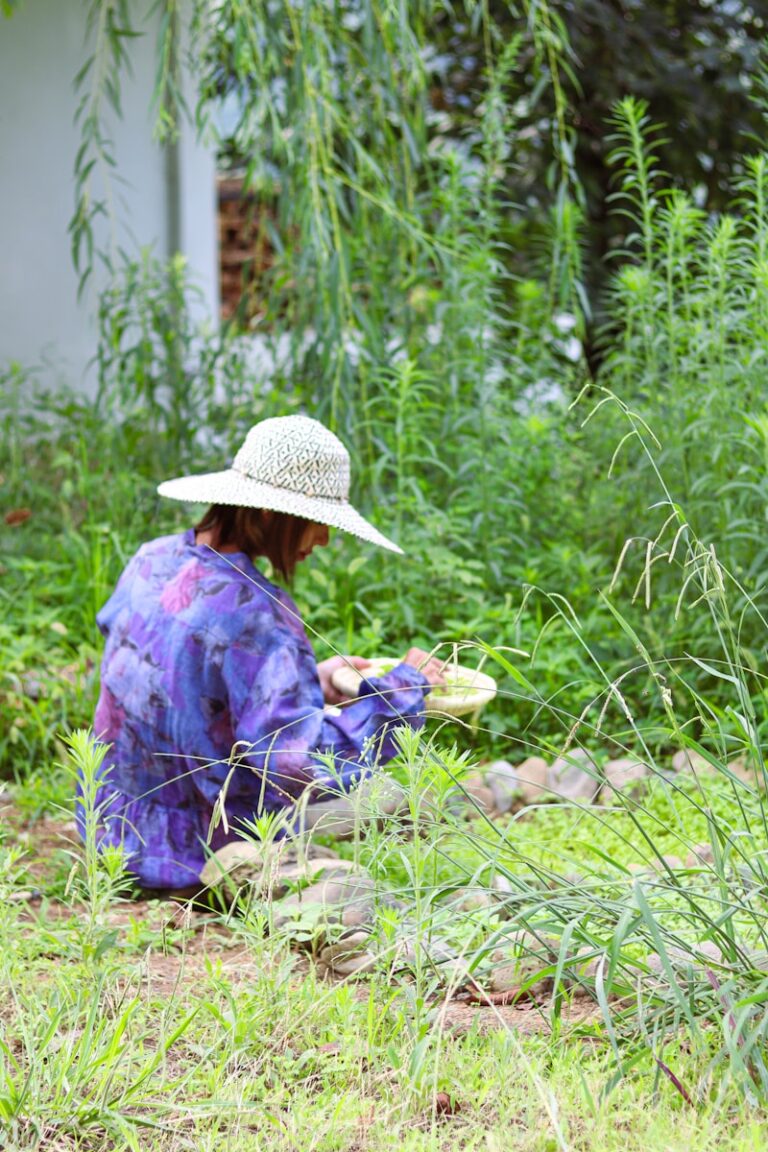
Within a week, three gardeners stopped mowing the narrow paths between their vegetable beds. Instead, they scattered native wildflower seeds and let whatever came up stay in place. What grew was uneven but surprisingly colorful, with clover, small daisies, and patches of tall grass. The change looked messy compared to the rest of the garden rows. Some neighbors assumed they had simply stopped maintaining their plots properly.
Early Reactions From Other Garden Members
Not everyone in the community garden was impressed with the change. One gardener complained that the wild strips were attracting too many bees too close to walking paths. Another worried that pests would increase alongside pollinators. A few people avoided walking near the experimental rows altogether. The group began quietly splitting into supporters and skeptics.
Unexpected Increase in Bee Activity Noticed
After a couple of weeks, something hard to ignore started happening. The experimental plots were suddenly filled with constant bee activity from morning to late afternoon. Tomatoes, peppers, and cucumbers nearby showed noticeably more flowering. One gardener pointed out that even squash plants were setting more fruit than usual. The difference became visible enough that even skeptics started paying attention.
A Neighbor Complains About the Overgrown Look
Outside the garden fence, a nearby homeowner called the city parks office to ask if the garden was being properly maintained. He described the wild strips as “uncontrolled growth spilling between food crops.” A city representative visited the site but did not issue any warnings. Instead, they took photos and asked a few questions about the planting approach. The complaint did not stop the experiment, but it increased outside attention.
Gardeners Start Comparing Yield Records
Encouraged by early results, several members began tracking harvest amounts more carefully. One tomato grower recorded noticeably heavier clusters compared to the previous season. A cucumber plot produced longer and more uniform fruit. Even skeptical gardeners admitted that something about the system seemed to be improving plant performance. The group started comparing notes during weekend work sessions.
A Retired Farmer Offers a Different Perspective
A retired farmer who visited the garden pointed out something most hobby gardeners had not considered. He explained that pollinators tend to travel in predictable paths when habitat is continuous rather than fragmented. The wild strips, he suggested, might be acting as movement corridors rather than just decorative patches. His explanation gave the experiment more credibility. Still, he warned that balance would be important.
A Storm Reveals the Weakness in Traditional Paths
After a heavy rain, the fully mowed sections of the garden turned muddy and compacted. Several gardeners struggled to walk without slipping or damaging soil structure. Meanwhile, the wild strips absorbed water differently and stayed more stable underfoot. Roots from the wild plants seemed to hold the soil together in a way bare paths did not. This difference changed how some members viewed the experiment.
A Disagreement Over Expansion of the Idea
As results improved, some gardeners wanted to convert more paths into wild strips. Others argued that too much uncontrolled growth would make maintenance difficult. A heated discussion broke out during a Saturday work session. One member said the garden was becoming “more meadow than vegetable plot.” Another replied that productivity mattered more than appearances.
Pollinator Experts Visit for Observation
A small group of regional pollinator researchers heard about the project and decided to observe it firsthand. They spent several hours recording insect activity across different sections of the garden. Their preliminary notes suggested significantly higher pollination rates in plots with wild strips. They did not make firm conclusions but encouraged continued observation. The visit gave the gardeners a sense that their experiment was being taken seriously.
A Harvest Day Shows Clear Differences
When harvest season peaked, the contrast between plots became obvious. Gardens with wild strips produced fuller baskets and more consistent fruit sizes. Traditional plots still produced well but lagged behind in volume. Even some skeptics admitted the results were difficult to dismiss. Conversations shifted from whether the idea worked to how much of it should be adopted.
Final Decision on the Garden Layout
By the end of the season, the group agreed on a balanced approach. Not every path would be converted, but selected strips would remain wild to support pollinator movement. The layout became a mix of structured rows and living corridors. Gardeners agreed to continue tracking results for another season before making further changes. What began as a messy experiment ended up reshaping how the entire community thought about growing food.