Gardener Says a Neighbor Keeps Reporting Her Garden to a Homeowners App Under a Fake Name to Avoid Being Identified
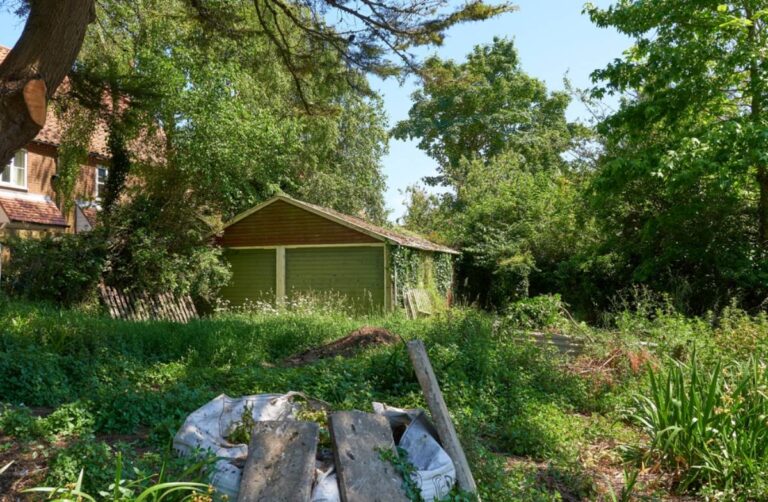
For years, Olivia Bennett had taken pride in her backyard garden. What started as a few flower beds had become a carefully designed space filled with vegetables, native plants, and areas meant to attract butterflies and birds.
She never expected her peaceful hobby to become the center of repeated complaints from someone hiding behind an anonymous account. When Olivia discovered the reports were coming from a neighbor using a fake name, she decided it was time to find out why.
The Garden That Became Olivia’s Favorite Place
Olivia had moved into her neighborhood with a simple goal of creating a relaxing outdoor space. She was not trying to impress anyone or compete with other homeowners. She just wanted a backyard where she could unwind after long workdays.
Over several years, she planted flowers along the fence, built raised vegetable beds, and added small pathways through different sections of the yard.
Neighbors often complimented the garden when walking past her home. Some even stopped to ask for advice about plants.
To Olivia, the garden represented years of patience and creativity.
The First Complaint Appears on the Neighborhood App
The problem started when Olivia received a notification from the neighborhood homeowners app. The message was a complaint about the appearance of her backyard.
The report claimed that her garden looked “uncontrolled” and suggested it might attract pests.
Olivia was confused because she maintained the yard regularly. She trimmed plants, removed weeds, and kept the pathways clear.
She assumed it was a misunderstanding and responded politely through the app.
An Anonymous Account Keeps Reporting Her
A few weeks later, another complaint appeared. This time, the report focused on her vegetable beds near the side fence.
The person claimed the plants were too close to neighboring properties and created an unattractive view.
Olivia checked the account information attached to the complaint. The username was something generic, with no photo and no connection to a known resident.
At first, she ignored it. She thought someone simply had a different opinion about gardening.
The Complaints Start Becoming More Specific
Over the next month, Olivia noticed a pattern. The complaints were no longer general.
The anonymous user began mentioning specific parts of her garden, including areas that were not visible from the street.
One report mentioned a corner near her compost area that only someone close by could easily see.
Olivia started wondering whether the person reporting her was not just passing by.
Olivia Reviews the Homeowners Rules
Instead of immediately accusing someone, Olivia decided to read through the neighborhood association guidelines. She wanted to know whether she was actually breaking any rules.
The documents explained restrictions about unsafe structures, property damage, and excessive neglect.
However, there were no rules against vegetable gardens, native plants, or having a variety of flowers.
Olivia realized the complaints seemed to be based more on personal preference than actual violations.
A Neighbor Mentions Something Unexpected
While chatting with her neighbor Sarah, Olivia brought up the complaints. Sarah immediately looked uncomfortable.
She admitted that she had heard rumors about someone in the neighborhood who disliked certain types of landscaping.
Sarah did not know who was behind the reports, but she mentioned that another homeowner had also received complaints about their natural garden style.
Olivia realized she might not be the only person targeted.
The Search for the Person Behind the Reports
Olivia decided to look more carefully at the complaint history. She noticed the reports often appeared shortly after she made visible changes to the garden.
Someone seemed to be watching the progress closely.
She compared the timing of the complaints with her daily routines and noticed something unusual.
The reports often came after her next-door neighbor, Greg Lawson, spent time outside near the shared fence.
She did not want to jump to conclusions, but the pattern made her suspicious.
A Conversation at the Fence Raises Questions
One afternoon, Olivia spoke with Greg while he was working in his yard. She casually mentioned the homeowners app complaints.
Greg immediately became defensive and said he had no idea what she was talking about.
He explained that he preferred traditional lawns and did not understand why people filled yards with so many plants.
Olivia noticed that he seemed unusually interested in details about her garden.
Still, she decided not to accuse him without proof.
The Anonymous Account Makes a Mistake
A few days later, another complaint appeared. This one included a photograph of Olivia’s backyard area taken from an angle that surprised her.
The image showed a section behind her shed that was not visible from the sidewalk.
Olivia immediately knew the person had taken the photo from a nearby property.
She reported the complaint to the homeowners association and asked whether they could review the account activity.
The Association Investigates the Reports
The homeowners association contacted the anonymous account owner through the information connected to the app.
After reviewing the records, they discovered that the account was linked to a resident who had chosen not to display their real name.
The person behind the complaints was revealed to be Greg.
Olivia was disappointed because she had hoped her suspicion was wrong.
Greg Explains Why He Reported the Garden
During a meeting with Olivia and the homeowners association, Greg admitted he had submitted the complaints.
He explained that he believed the neighborhood should have a cleaner appearance and felt that Olivia’s garden looked different from the other homes.
He said he did not want an argument, so he used a different name.
Olivia told him that hiding his identity made the situation worse because it prevented a normal conversation.
The Neighborhood Reacts to the Discovery
When other residents learned what happened, many were surprised. Several people had assumed the complaints were coming from someone outside the neighborhood.
Some neighbors supported Olivia because they enjoyed seeing different types of gardens.
Others admitted they understood Greg’s preference for traditional landscaping but agreed that anonymous complaints were not the right way to handle disagreements.
The situation started a larger conversation about respecting different homeowner choices.
Olivia and Greg Have a Different Conversation
After the association meeting, Olivia and Greg spoke privately. She explained that she was willing to discuss concerns if someone approached her directly.
She told him that she spent a lot of time maintaining the garden and that it was not neglected.
Greg admitted that he had judged the garden without understanding how much effort went into it.
For the first time, they had an honest conversation instead of exchanging complaints.
The Garden Becomes a Neighborhood Example
Months later, Olivia’s garden continued to grow. She did not remove the plants or change her style because of the complaints.
Instead, she invited neighbors to visit and learn about native plants and sustainable gardening.
Several residents became interested in creating their own garden spaces.
Even Greg eventually asked Olivia for advice about improving a small section of his yard.
A Lesson About Speaking Up Instead of Hiding
Looking back, Olivia said the hardest part was not the complaints themselves. It was knowing that someone nearby had concerns but chose secrecy instead of conversation.
The experience taught her that disagreements between neighbors are easier to solve when people communicate openly.
Greg learned that a different style of gardening did not mean someone was ignoring their property.
The garden that once caused tension eventually became a reminder that neighborhoods are made up of different people, and those differences are easier to appreciate when everyone feels comfortable being honest.