Some Gardeners Are Growing Vegetables Under Grow Lights in Their Garages Year-Round, And It’s Cutting Their Grocery Bills in Ways They Didn’t Expect
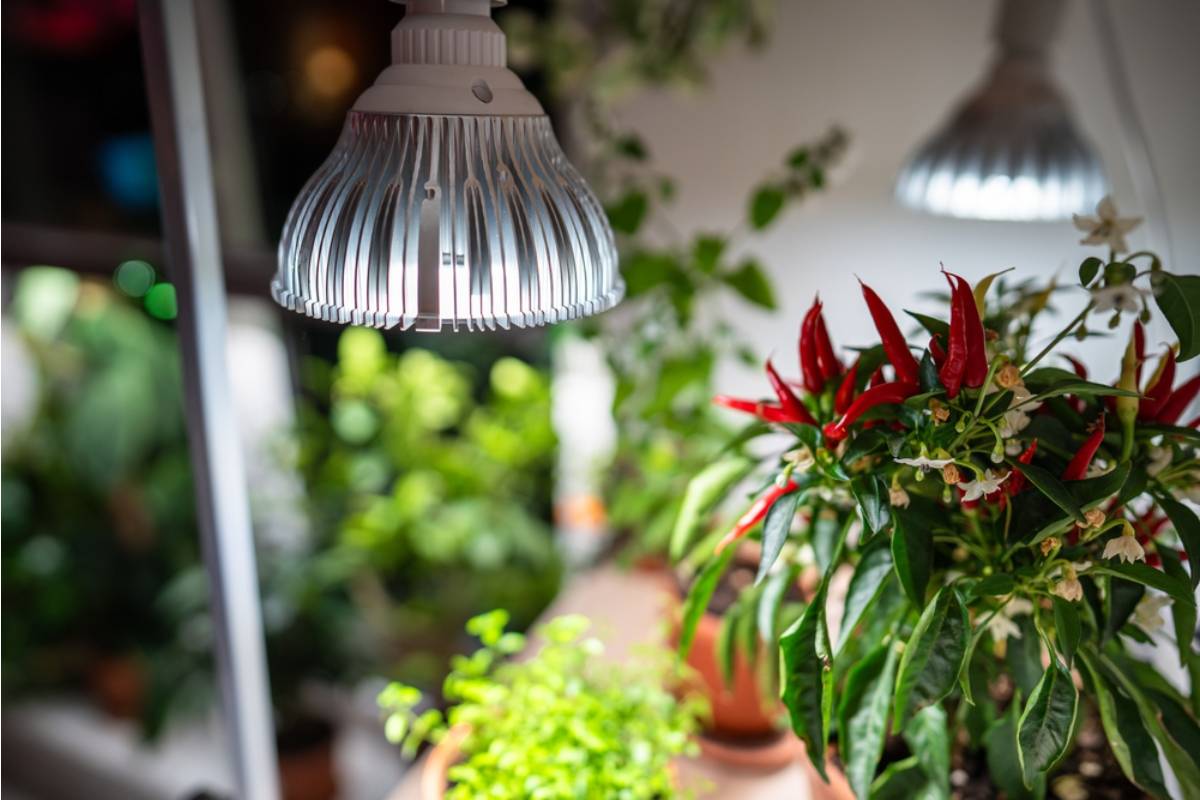
A handful of homeowners in a rural Michigan neighborhood quietly began experimenting, growing vegetables inside their garages using simple setups of grow lights. What started as a way to extend the gardening season during harsh winters slowly turned into a year round food strategy. Instead of relying solely on outdoor beds, they stacked shelves, added LED panels, and started producing greens indoors. At first, it seemed like a hobby with limited impact. But over time, the results began changing how they thought about grocery shopping altogether.
The garage that became an indoor farm
It started with Aaron, who installed a basic shelving unit in his garage and hung a couple of LED grow lights above it. He planted lettuce, spinach, and basil just to see if they would survive the colder months. To his surprise, the plants grew faster than expected and stayed consistently healthy. He began harvesting small amounts every week. His initial experiment quickly turned into a structured growing system.
The first harvest that changed his routine
After about a month, Aaron harvested enough lettuce for several meals in a single week. He noticed he had skipped buying greens during his regular grocery run. That small change caught his attention more than the gardening itself. He realized he was no longer dependent on store produce for certain items. It was the first moment he saw real financial impact.
A neighbor notices the glowing garage
Across the street, Melissa noticed a faint light coming from Aaron’s garage every evening. She assumed it was just storage lighting at first, but the glow stayed consistent night after night. One day, she asked him what he was doing, expecting a hobby explanation. Aaron showed her the shelves filled with leafy greens. She was surprised that such a simple setup was producing so much food.
The second household joins in
Inspired by Aaron, Melissa set up her own smaller system using a spare corner of her basement. She started with herbs like parsley and cilantro. Within weeks, she added cherry tomatoes and small peppers. Her grocery trips began shrinking in both size and frequency. She shared her results with another neighbor who became curious about trying it too.
The unexpected grocery bill change
After a couple of months, both Aaron and Melissa noticed a significant drop in produce spending. They were still buying meat, dairy, and dry goods, but vegetables had become optional purchases. Aaron joked that his lettuce aisle was now his garage shelf. Melissa tracked her receipts and saw a clear downward trend. Neither of them had expected the savings to be so noticeable.
A local garden store gets curious
A nearby gardening supply shop owner noticed increased sales of grow lights and hydroponic supplies. Customers were asking more specific questions about indoor setups rather than outdoor planting. He began recommending starter kits designed for garage gardening. Some customers came in after seeing neighbors successfully growing food indoors. The trend was quietly spreading beyond just one street.
Learning the limits of indoor growing
Not everything worked smoothly in the beginning. Aaron struggled with humidity control, which caused mold issues on a few early crops. Melissa had problems with uneven lighting that affected growth patterns. They both adjusted by researching better ventilation and spacing techniques. Over time, their systems became more stable and efficient.
A surprising variety of crops succeeds
Once the basics were mastered, they began experimenting with more diverse vegetables. Strawberries, dwarf peppers, and even small cucumbers started appearing in their garage setups. Some crops required more attention, but many adapted well to indoor conditions. The variety surprised even experienced gardeners in the neighborhood. It showed that the system had more potential than they first believed.
The winter advantage becomes obvious
During the colder months, outdoor gardens completely stopped producing while the garage systems kept going. This created a steady supply of fresh vegetables when stores typically raised prices. Aaron noticed he was still harvesting lettuce while snow covered his backyard. That contrast made the indoor setup feel even more valuable. Winter became their most productive season instead of the least.
Neighbors start asking for advice
As word spread, more neighbors began asking how to set up similar systems. Aaron and Melissa started sharing simple instructions about lighting, shelving, and watering routines. Some people started small, while others committed to full garage conversions. The street gradually became a cluster of indoor growers. What began as an experiment turned into a shared practice.
The shift in grocery habits
Over time, many households in the neighborhood began adjusting their shopping lists. Produce sections at the store were no longer the main focus for some families. Instead, they bought seeds, nutrients, and equipment. Grocery runs became shorter and more selective. The financial impact became a common topic of conversation.
A few unexpected challenges emerge
Despite the success, some households struggled with electricity costs from running lights continuously. Others found maintenance more time consuming than expected. A few setups were scaled back due to space limitations. The system worked best for those willing to actively manage it. It was not effortless, but it was effective.
A new normal in suburban gardening
By the end of the year, garage growing had become a familiar sight in the neighborhood. Soft artificial light glowed behind several closed doors each evening. People compared yields and shared tips during casual conversations. The approach did not replace traditional gardening, but it complemented it in a meaningful way. What started as a small experiment quietly reshaped how several families thought about growing and buying food.