Gardener Says Her Best-Ever Pumpkin Crop Was Ripped Apart by a Neighbor’s Roaming Rottweiler, Then a Huge Pile of Droppings Left Her Wondering Whether Something Even Bigger Had Invaded Her Garden
A person shared his story about a gardening nightmare that turned a promising growing season into a scene of absolute devastation. After three years of attempting to grow pumpkins, this was finally the first season when the plants were thriving, making the sight of healthy vines and developing pumpkins especially rewarding. Everything seemed to be going right, and the gardener could finally enjoy the results of all that patience and effort.
Unfortunately, the success did not last long enough for a satisfying harvest. When the gardener returned home one day, the pumpkin plants had been ripped out, trampled, and left in a miserable heap. What should have been an exciting milestone in the garden had suddenly become a mystery involving damaged crops, suspicious dog hair, and an unpleasant surprise on the ground.
The Garden Looked Like an Animal Had Held a Destruction Contest
The damage was difficult to ignore because the plants had not simply been nibbled or lightly disturbed. The pumpkin vines were torn apart and trampled, leaving the gardener with a heartbreaking reminder of what had happened while nobody was watching. To make matters worse, tufts of dog hair were scattered around the wreckage.
Then came the final detail that made the entire scene even more infuriating. A large pile of droppings had been left beside the ruined plants, almost as though the unidentified visitor had decided to leave a signature after its destructive performance. The gardener was already upset about losing the crop, but the combination of physical damage and the disgusting mess made the incident feel deeply personal.
One Neighbor’s Dogs Had Already Been Causing Trouble
The gardener did not believe this was an isolated incident involving a random animal passing through the property. Suspicion immediately fell on a neighbor whose dogs were frequently allowed to wander beyond their own yard, leaving nearby residents to deal with the consequences. The gardener explained that cleaning up after these roaming animals had already become an unwanted part of life.
What made the situation particularly frustrating was that the neighbors themselves were described as intimidating and difficult to approach. The gardener was not comfortable starting a confrontation, especially after dealing with repeated problems involving the dogs. Instead of being able to focus on growing vegetables, the gardener was now worrying about how to protect the property without turning an already uncomfortable relationship into something worse.
The Pumpkin Disaster Was Not the First Frightening Encounter
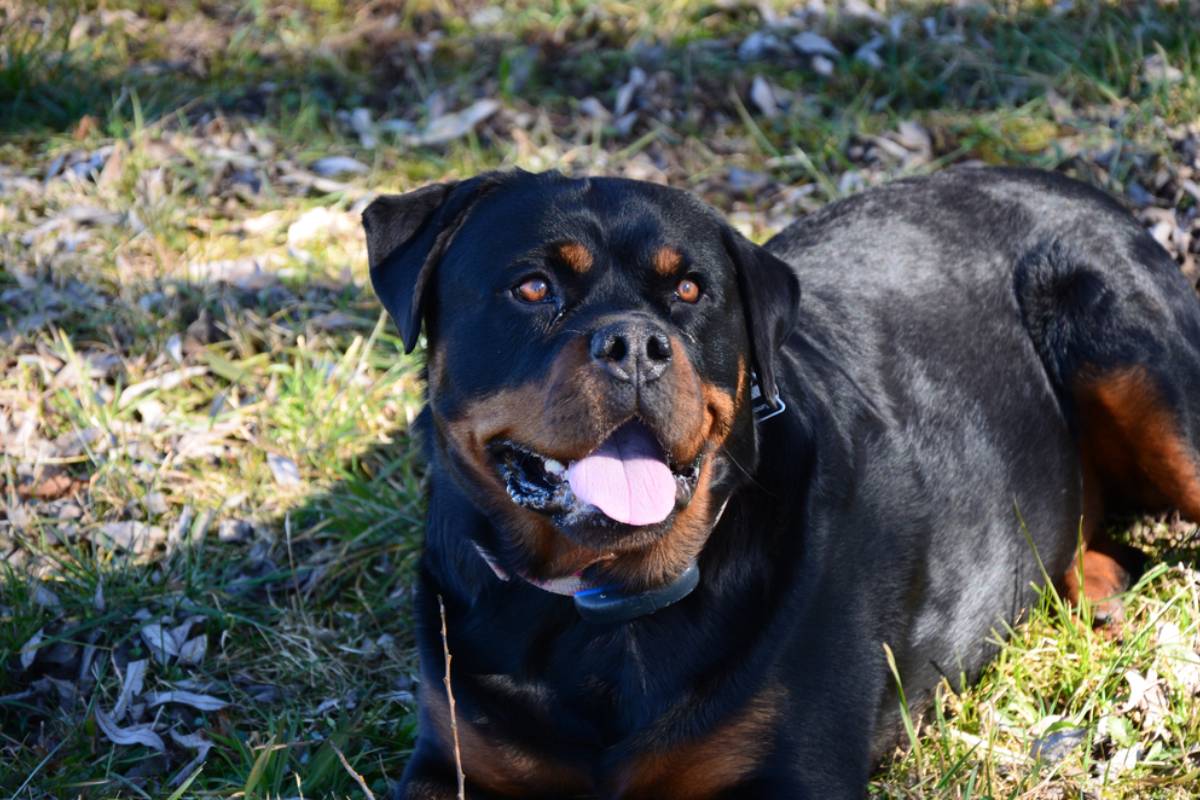
The destroyed plants were upsetting enough, but there was another reason the gardener felt trapped. One of the dogs, a Rottweiler, had previously chased the gardener while the gardener was on their own property, making the problem about personal safety as well as gardening. That earlier experience made the possibility of confronting the owners feel considerably more threatening.
It is one thing to discover that an animal has dug through a flower bed or flattened a few seedlings. It is another thing to worry that the same animal might charge toward you while you are trying to water your plants or harvest vegetables. With the garden already damaged and the neighbors difficult to approach, the gardener felt increasingly powerless in a situation that should never have become this stressful.
Building a Proper Fence Seemed Like the Obvious Answer
Several people suggested the straightforward solution of putting a fence around the garden. One response from a person recommended using T-posts, chicken wire, netting, and zip ties or string to create an inexpensive barrier. Rather than fencing the entire property, the gardener could potentially protect the growing area where the pumpkins and other plants were most vulnerable.
The problem was that even a modest fence could involve more work and expense than the gardener could comfortably manage. The enclosure would need to be tall and large enough to discourage the dogs, while still including an entrance for walking inside and watering the plants. It sounded ideal in theory, but the gardener was not sure how to make the project affordable enough to become a realistic solution.
A Free Garden Fence Suddenly Offered a Little Hope
Just when the conversation seemed to be circling around expensive fencing materials, another person suggested something much more creative. Instead of buying traditional panels, the gardener could construct a rustic fence using branches pushed into the ground and fresh, flexible branches woven between them. It was an appealing idea because the necessary materials might be collected locally rather than purchased from a hardware store.
The suggestion immediately caught the gardener’s attention, and the response was enthusiastic. A homemade woven fence could offer a practical way to protect the plants while adding a charming, natural look to the garden. For someone who had just watched three years of pumpkin-growing ambition turn into a pile of broken vines, the possibility of building protection without spending a fortune was welcome news.
An Experienced Gardener Explained How the Branch Fence Worked
The person who suggested the woven design explained that similar fences had been built for elementary school gardens in Corbett, Oregon. The uprights came from branches collected from a nearby fir grove, while fresh willow trimmings provided flexible material that could be woven between the supports. As the willow dried, it became harder and more rigid, helping the fence hold its shape.
The same general approach could work with other long, bendable branches, giving the gardener some flexibility depending on what was available nearby. Ivy was also mentioned as a possible material, although the person cautioned that it should be kept slightly above the ground to prevent it from rooting. Suddenly, the idea of a garden barrier seemed less like an expensive construction project and more like something that could be built with patience, creativity, and a little resourcefulness.
Even Experienced Dog Owners Understood How Quickly Gardens Could Be Ruined
Another response from a person emphasized that protecting a garden from animals was an important part of growing anything outdoors. The person recalled leaving a gate open for only about an hour, during which their own dog managed to cause extensive damage to a raised bed. Lettuce seedlings ended up stuck to a fence roughly four feet high, apparently thanks to the dog’s enthusiastic digging.
The story offered an important reminder that even a beloved household pet can become a surprisingly destructive garden visitor. Tender seedlings, loose soil, and sprawling vines can be irresistible to an animal that sees the garden as an exciting playground rather than a carefully maintained food source. For the pumpkin grower, however, the difference was that these were someone else’s dogs, and the responsibility for preventing the damage did not rest with the gardener.
The Gardener Decided It Was Time to Gather Evidence
Although a makeshift fence offered some hope, the gardener also recognized that physical barriers might not solve the entire problem. The damage had already happened, and another incident could occur before any new fencing was finished. With the neighbors difficult to approach and the dogs potentially dangerous, the gardener decided to order a camera to document what was happening.
The gardener explained that clear evidence would help establish what had caused the destruction and whether the dogs were also behaving aggressively on the property. There was a strong preference for handling the matter independently, without involving authorities or starting a dispute with the neighbors. Unfortunately, that approach was becoming increasingly difficult to maintain as the incidents continued.
The Rural Setting Made Getting Help More Complicated
The gardener lived in a rural area where other residents had suggested that the authorities might not do much about the problem. Unlike a neighborhood with readily available animal-control services, this county apparently had no dedicated animal-control department. That left the gardener facing a difficult question about whom to contact when roaming dogs damaged private property or threatened someone’s safety.
The situation was particularly frustrating because the gardener believed the animals were also a danger on nearby roads. Since the gardener lived closest to the dogs’ owners, the consequences of their wandering appeared to fall disproportionately on that one property. What had once seemed like an ordinary rural-living inconvenience had grown into a problem affecting the garden, peace of mind, and sense of security at home.
One Suggestion Raised an Unexpected Question About the Culprit
Amid the discussion about dogs, fences, and damaged plants, someone raised an intriguing possibility: was the animal definitely a dog, or could it have been a bear? The question might have sounded surprising at first, especially because the gardener suspected a neighbor’s Rottweiler and had found dog hair around the ruined pumpkins. Nevertheless, the unusually large pile of droppings prompted another person to wonder whether a wild animal could have been responsible.
That possibility introduced a genuine mystery into an already frustrating situation. Bears can damage squash and other garden crops, so the scale of the destruction alone would not necessarily establish which animal had caused it. The camera could eventually help settle the question, although the available information did not establish that a bear had visited the property or that the suspected dog was definitely responsible for every part of the damage.
A Camera Could Turn Suspicion Into Something More Concrete
Several responses from people supported the decision to install a camera, explaining that photographs or recordings could help document property damage. One person suggested contacting the local sheriff’s office through its nonemergency line, particularly because the dog had allegedly chased the gardener on private property. Others emphasized that any report would be more useful if it included specific details about the incident and the applicable local rules.
The gardener welcomed this advice and confirmed that a camera had been purchased. Rather than relying solely on suspicion or trying to persuade the neighbors to cooperate, the plan was to collect evidence that could support a future complaint if necessary. It was a practical step toward addressing the problem without immediately escalating the situation into a direct confrontation.
Advice About Using Deterrents Came With a Serious Warning
The gardener had also purchased deterrent spray intended for use if the dogs approached again. Understandably, the thought of another encounter with a dog that had previously chased the gardener created considerable anxiety. After the pumpkin destruction, preventing a similar incident was no longer just about protecting vegetables; it was also about feeling safe while walking around the property.
However, another person warned that using spray against a neighbor’s dog could create additional complications, especially when the owners already seemed intimidating. The point was not that a person should ignore an immediate threat, but that retaliation or confrontation could make an uncomfortable situation more dangerous. Documenting incidents, understanding local laws, and seeking appropriate assistance were presented as safer ways to address the ongoing problem than acting out of anger.
The Discussion Turned Toward Local Laws and Possible Remedies
Some responses from people encouraged the gardener to investigate local rules covering roaming animals, property damage, and the protection of crops. Depending on the jurisdiction, there might be legal options for reporting repeated incidents or seeking compensation for damage. Small-claims court was also mentioned as a possibility worth researching if the gardener could establish responsibility and document the losses.
Others disagreed about how consistently such rules applied in rural areas, pointing out that regulations could differ considerably between communities. That disagreement highlighted why it would be important to confirm the actual local requirements rather than assume that a particular leash law or enforcement procedure existed. With the camera on its way and the garden already damaged, the gardener had at least begun moving from frustration toward gathering information and considering practical next steps.
The Biggest Loss Was the Gardener’s Confidence in Growing Anything Outdoors
Perhaps the most heartbreaking part of the story was the gardener’s fear that planting vegetables directly in the ground might no longer be worthwhile. This was the third year of pumpkin-growing attempts, and the first time the plants had really thrived, making their sudden destruction especially painful. Instead of celebrating a successful growing season, the gardener was left wondering whether the next planting would simply become another target for roaming animals.
The suggested branch fence offered one possible way forward, while the newly purchased camera could help reveal exactly what was entering the garden. Still, neither solution guaranteed that the neighbors’ dogs would stop wandering or that the conflict would disappear. The story ended without a confirmed resolution, leaving one gardener with damaged pumpkins, an unsettling animal mystery, and the difficult task of deciding how to protect a beloved hobby without sacrificing personal safety or spending money they could not afford.