Homeowner Says Her Strata Board Threatened Thousands in Fines Over Pride Flags and a Tiny Garden Sign, Then Started Complaining About Her Fenced Backyard
A person shared his story about living in a Canadian townhouse community where everything seemed perfectly normal for nearly a year, until a few small details about his household apparently caught the attention of the neighborhood’s strata board. What began as an ordinary rental arrangement gradually turned into a frustrating battle over decorations, garden signs, and increasingly unreasonable complaints. The family had settled into the neighborhood expecting nothing more dramatic than everyday neighborly disagreements. Instead, they found themselves wondering whether someone on the board had appointed themselves the official inspector of everything happening around their home.
The First Year Gave No Warning of What Was Coming
Before the trouble began, the household had been living in the property for almost a year without any major problems with the strata board. The resident explained that he was familiar with neighborhood disputes, having experienced complaints about noise and people gathering in a parking area at a previous home. Still, those earlier experiences had not prepared him for the increasingly personal nature of the new complaints. For a while, the townhouse community appeared to be a place where everyone could simply get on with their lives.
Two Pride Flags Changed the Atmosphere
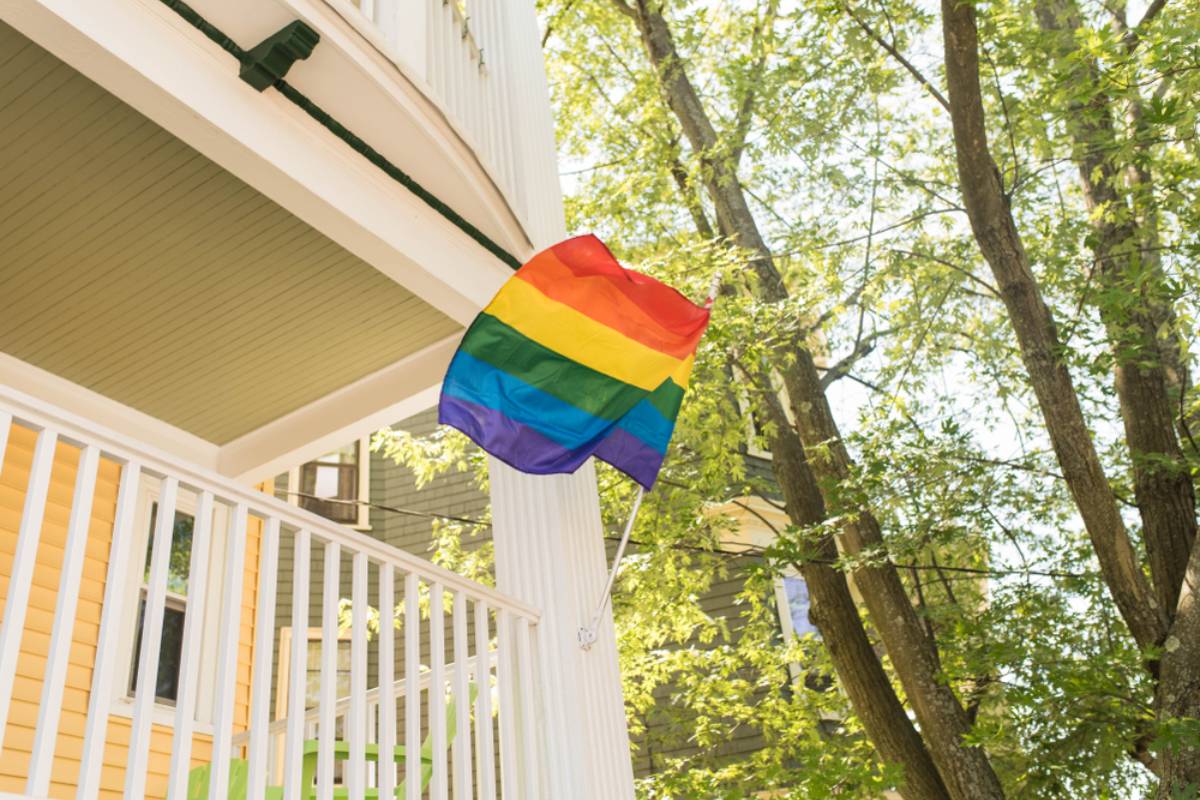
According to the resident, the situation changed after his brother and sister put Pride flags in their windows. Suddenly, the household received a warning threatening a $2,000 fine over flags displayed around the property, with a small Canadian flag reportedly being the only permitted exception. The family decided to take the flags down rather than immediately escalate the dispute. Unfortunately, that concession did not bring the peace they had hoped for.
The Rules Somehow Reached the Windows Too
After the flag dispute, the household was reportedly told that nothing could be displayed on its windows apart from blinds. Stickers, colorful decorations, and other visible personal touches were apparently off-limits under the rules being enforced. What made the situation especially frustrating was how quickly the restrictions seemed to expand beyond the original complaint. The resident had removed the flags, but it appeared that the board was not finished finding things to object to.
A Tiny Garden Sign Became the Next Target
The next complaint involved a small garden plaque displaying the message “Hate has no home here.” The resident said the strata board treated it as prohibited political signage, despite the message being a statement against hate rather than an endorsement of a political candidate. For someone who had already agreed to remove the flags, this latest warning felt like another unnecessary confrontation. A little plaque that might ordinarily blend into a flower bed had suddenly become the center of a neighborhood dispute.
The Garden Was Supposed to Be a Place of Welcome
Garden signs often communicate something about the people who tend the plants around them, whether they welcome pollinators, celebrate family, or simply make visitors smile. In this case, the message was intended to express opposition to hate, yet the resident found himself facing another complaint over its presence. He believed the restriction might raise legal questions, although whether the rule was unlawful would require a closer look at the applicable laws and strata documents. Rather than risk another confrontation, the household agreed to remove the sign as well.
Removing the Decorations Did Not End the Complaints
By this point, the resident had already given up the Pride flags and the garden plaque in an effort to avoid further trouble. A person might reasonably expect that complying with the demands would finally allow everyone to move on. Instead, another warning arrived concerning the household’s backyard and its dog. The dispute was no longer just about what could be seen through the windows or displayed beside the garden.
The Dog’s Backyard Habits Became a $1,000 Problem
The resident said the strata board threatened a $1,000 fine over dog waste allegedly visible in the backyard. According to his account, the household was told that not a trace of it could remain before Tuesday morning each week, or another fine could follow. That was a substantial threat over a chore many dog owners handle as part of their normal outdoor routine. For a household already dealing with repeated warnings, the demand felt like one more example of the board turning everyday life into a compliance exercise.
Then Someone Decided the Entire Backyard Looked Terrible
Just when the dog-waste complaint seemed like enough drama for one week, the resident described receiving another complaint about the general appearance of the backyard. There was an important detail that made the situation particularly irritating: the yard was fenced. In his account, anyone looking for things to criticize would have needed to look over that fence to see what was happening inside. The backyard, which should have been a private place to relax or enjoy some gardening, had become another source of anxiety.
A Fence Was Apparently No Match for the Inspectors
Fences are useful for marking property boundaries, providing privacy, and keeping pets safely contained. For this household, however, the fence did not seem to prevent the board from finding new reasons to complain about the outdoor space. The resident believed someone was deliberately scrutinizing the property rather than simply responding to ordinary maintenance concerns. Although the full circumstances would need to be independently established, the repeated warnings had clearly left him feeling watched in his own home.
Another Family Had Reportedly Experienced Similar Treatment
The resident’s suspicions grew because he believed another household in the community, described as his Indian neighbors, had faced a similarly high level of bureaucratic harassment. He suspected those neighbors might have become so frustrated that they eventually left. Seeing what he perceived as a pattern made him question whether the complaints against his own household were really about neutral property rules. He began to wonder whether the increasingly strict enforcement was connected to prejudice rather than legitimate concerns about the community.
The Resident Suspected Discrimination Was Behind the Pattern
The timing of the complaints was a major reason the resident suspected discrimination. He said the household had been left alone for nearly a year before the Pride flags appeared, after which the warnings began arriving one after another. He also described catching people trying to photograph his home, which only deepened his concerns about being singled out. These were his suspicions rather than a proven finding of discrimination, but he felt the sequence of events deserved serious scrutiny.
Moving Out Was Not Part of the Plan
Despite the mounting frustration, the resident made it clear that he had no intention of simply packing up and leaving. He explained that the household paid rent on time and that the landlord valued them as tenants, making an immediate move seem unnecessary. Instead of allowing the complaints to drive them away, he was considering challenging the situation through British Columbia’s Human Rights Tribunal. The prospect of taking formal action appeared to offer a way to push back rather than surrender the home they had settled into.
A Human Rights Complaint Became the Next Possible Step
The resident said he was considering a complaint because he believed the pattern of enforcement could be discriminatory. Whether a case would succeed would depend on evidence, the applicable human rights protections, and the precise circumstances surrounding the strata board’s actions. A careful record of notices, photographs, correspondence, and relevant bylaws could help clarify what happened and whether the rules were being applied consistently. For someone who felt that ordinary compromises had failed, pursuing a formal process seemed more useful than continuing to remove one item after another.
The Garden Sign Became a Symbol of a Much Bigger Fight
What began with two flags and a small plaque had grown into a dispute involving fines, backyard inspections, and concerns about unequal treatment. The garden sign was only one small part of the property, but its removal represented something larger for the resident: the feeling that even a simple expression of welcome could trigger another confrontation. Instead of allowing the household to settle back into everyday life, each new warning seemed to reopen the conflict. The story had become less about landscaping rules and more about whether residents could feel comfortable expressing themselves in their own homes.
The Unexpected Twist Was That the Resident Refused to Leave
After all the warnings, the threats of thousands of dollars in fines, and the complaints about a fenced backyard, the resident’s response was not to quietly disappear. He was prepared to investigate his options and potentially challenge the board through formal channels, even if the process proved difficult. A response from a person suggested checking the actual strata bylaws and documenting whether other units were violating the same rules, rather than assuming the board’s interpretation was correct. In a dispute that had started with a couple of flags and a tiny garden plaque, the next chapter could depend on paperwork, evidence, and whether the resident could establish that the rules were being enforced unfairly.