My Neighbor Kept “Fixing” My Garden Until I Finally Told Him to Stay on His Side
When I moved into the duplex, I was actually excited about having even a tiny patch of outdoor space to work with. The front yard was small, but it was clearly divided down the middle, with each side belonging to one unit. I decided to keep my half simple and planted lavender, basil, and a few marigolds for some color.
I wasn’t trying to create some elaborate garden or win a neighborhood landscaping competition. I just wanted a few plants that I could take care of myself. For me, it was one of those small things that made the place feel like home.
My Neighbor Had Other Ideas
My neighbor was a man in his 50s who seemed to take landscaping extremely seriously. He always had gardening gloves, pruning shears, or some kind of yard tool nearby, and his own side of the yard was noticeably more organized than mine.
At first, I didn’t think anything of it. If he wanted to spend his free time making his garden look perfect, that was his business. I figured we’d simply take care of our own sides and get along.
Then I came home one afternoon and noticed that several of my lavender stems had been cut.
I Thought Someone Had Damaged the Plants
I initially assumed an animal had gotten into them or that I’d accidentally damaged them myself. But when I looked closer, the cuts were clean and deliberate.
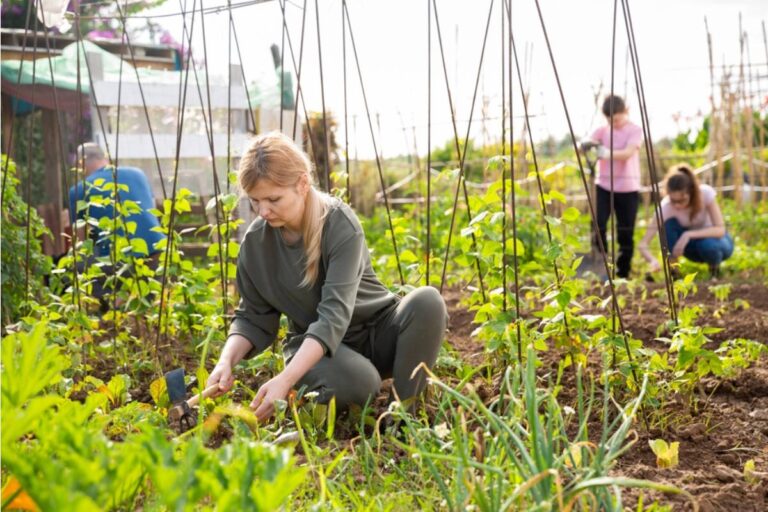
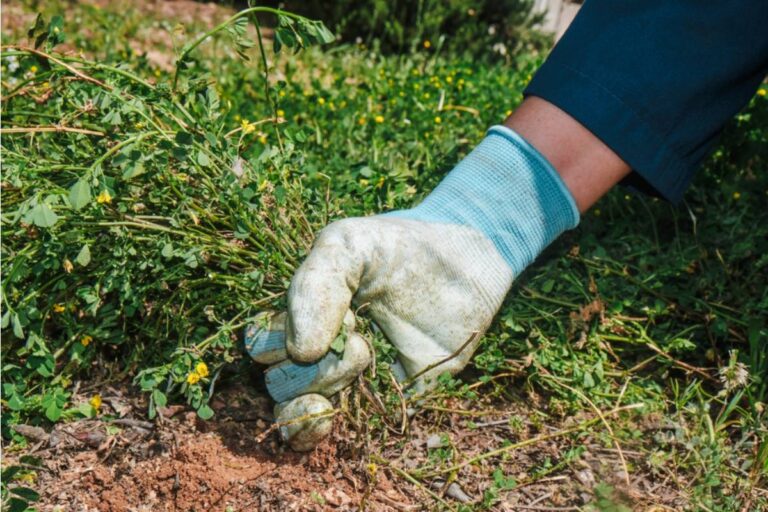
The next morning, I saw my neighbor outside with gardening gloves and scissors. He walked over to my side, bent down beside my plants, and casually started trimming them.
I stared at him for a moment before asking what he was doing.
“I’m Just Helping You Maintain It”
He didn’t seem embarrassed at all. In fact, he looked almost surprised that I was questioning him.
“I’m just helping you maintain it,” he said. Then he glanced at my plants and added that they looked a little “chaotic.”
I didn’t know whether to laugh or get annoyed. These were a few herbs and flowers, not an overgrown forest.
I Asked Him Nicely to Stop
I explained that I appreciated the thought, but I preferred to take care of my own plants. I told him that I’d rather decide when they were trimmed, moved, or replanted.
He nodded, and for a moment I thought the conversation was over.
I made the mistake of assuming that because someone acknowledged what you said, they actually understood the boundary.
The Plants Started Moving Around
A few days later, I noticed that one of my plants wasn’t where I’d left it.
It hadn’t been destroyed. It hadn’t died. It had simply been moved several inches to one side.
When I asked my neighbor about it, he admitted that he’d repositioned it because he thought it would “look better” there.
I reminded him that I’d already asked him not to change things on my side.
He just smiled and said he was trying to make the whole yard look nicer.
Then the Decorations Appeared
The next incident was even stranger.
I came home one evening and noticed several decorative rocks sitting around my plants. They weren’t mine, and I had no idea where they’d come from.
Then I saw the gnome.
It was sitting prominently in the middle of my garden as if I’d personally chosen it to complete some landscaping theme.
I immediately knew who had put it there.
Apparently the Gnome “Tied Everything Together”
When I asked my neighbor about the decorations, he didn’t even deny it.
He explained that the rocks and gnome helped “tie the whole look together.”
I stood there staring at him, trying to figure out how to explain that I wasn’t asking for his design assistance.
I finally told him that I didn’t want the decorations on my side and that I wanted him to leave my plants alone.
I Put Everything Back
I moved the rocks and gnome back onto his side of the yard.
I wasn’t rude about it. I didn’t throw anything away, damage anything, or make a scene. I simply returned the things that didn’t belong to me.
I thought that would make the message obvious.
It didn’t.
He Kept Treating My Side Like a Shared Project
The next time I caught him trimming one of my plants, I walked straight outside.
I didn’t bother trying to explain why lavender grows the way it does or debate whether his landscaping ideas were better. I simply told him that I had already asked him not to touch my garden.
He responded that he was only trying to help.
That was the part that really irritated me.
“I Didn’t Ask for Your Help”
I told him that I understood he believed he was helping, but I hadn’t asked for his help.
I also pointed out that if I walked onto his side of the yard and started cutting his plants, moving his decorations, or rearranging his landscaping, he probably wouldn’t appreciate it.
He didn’t have much to say to that.
For the first time, he seemed to understand that this wasn’t really about gardening.
It was about boundaries.
My Garden Didn’t Need to Match His
I realized that I had been trying too hard to avoid conflict.
I didn’t want an awkward relationship with the person living directly beside me, so I’d been polite, indirect, and willing to give him the benefit of the doubt. But every time I did that, he interpreted my politeness as permission to keep going.
My garden didn’t need to meet his standards.
It didn’t need to look like his garden.
And it certainly didn’t need his approval.
I Made the Boundary Completely Clear
The next conversation was much shorter.
I told him, “Please don’t trim my plants, move anything, or put decorations on my side of the yard. I want to take care of my garden myself.”
Then I asked him directly if he understood.
He said yes.
I didn’t argue with him or make threats. I simply repeated that I wanted him to respect that boundary.
This time, there was nothing vague about what I was asking.
I Started Paying More Attention
After that conversation, I began keeping an eye on my garden.
I didn’t want to become obsessed with what my neighbor was doing, but I’d already learned that assuming everything was fine wasn’t working.
I also started taking pictures of my plants occasionally, mostly so I’d know what they looked like and when they had been changed.
I wasn’t looking for a fight.
I just wanted a record in case the situation escalated.
The Weirdest Part Was How Normal He Thought It Was
What bothered me most wasn’t even the trimming.
It was how completely normal he seemed to think the whole thing was.
He genuinely appeared to believe that because he knew more about gardening, he was entitled to improve someone else’s property.
He wasn’t trying to steal anything or deliberately destroy my garden. In his mind, he was being helpful.
But good intentions don’t magically turn unwanted behavior into acceptable behavior.
I Finally Understood What Was Really Happening
The more I thought about it, the more obvious it became.
This wasn’t really about lavender or marigolds.
It was about someone deciding that his preferences mattered more than mine.
He saw something he didn’t like, decided it needed to change, and changed it without asking.
Once I looked at it that way, I stopped worrying so much about whether I was being “too sensitive.”
I Didn’t Need a Gardening War
Some people suggested that I should start trimming his plants or decorating his side of the yard to show him how annoying it was.
Honestly, as funny as some of those ideas were, I didn’t want to become part of the problem.
I didn’t want a ridiculous landscaping war where we spent months moving each other’s decorations and cutting each other’s plants.
I just wanted him to stay on his side.
The Gnome Eventually Disappeared
After I returned the decorations and made my boundary clear, the random landscaping stopped.
The gnome didn’t come back.
Neither did the decorative rocks.
Most importantly, my plants were left alone.
I could finally walk outside without wondering whether someone had decided that my garden needed another “improvement.”
I Learned That Being Direct Is Sometimes Kinder
Looking back, I wish I’d been direct from the beginning.
I didn’t need to insult him. I didn’t need to threaten him. I didn’t need to start a neighborhood feud.
I simply needed to say, “This is my garden. Please don’t touch it.”
Sometimes people aren’t actually confused about your boundaries. They just haven’t heard you state them clearly enough to realize that you mean them.
Now We Each Have Our Own Garden
Things between us aren’t exactly warm and fuzzy, but they’re civil.
He maintains his side.
I maintain mine.
And that’s perfectly fine with me.
I don’t need my neighbor to love my landscaping choices. I don’t need him to understand why I like lavender growing a certain way or why I don’t want a random garden gnome sitting between my flowers.
I just need him to understand one simple thing: my side of the yard is mine to manage.
And apparently, after enough unsolicited “help,” saying that plainly was the only thing that finally worked.