Why Some Experienced Gardeners Are Pulling Out Their Raised Beds After Years of Use and Going Back to the Ground
For years, Kevin believed raised garden beds were the smartest investment he had ever made. Gardening magazines praised them, neighbors admired them, and every online video seemed to recommend building them before planting anything else. He spent several weekends constructing sturdy wooden beds that quickly became the centerpiece of his backyard. At first, they produced incredible harvests that made all the work feel worthwhile. Then a series of unexpected problems slowly convinced him to question whether the raised beds were still the best choice.
The First Seasons Feel Like a Complete Success
Kevin filled each raised bed with high quality soil and carefully planted tomatoes, peppers, carrots, and lettuce. The vegetables grew quickly, weeds stayed manageable, and harvesting was easier than it had ever been. Friends visiting for backyard cookouts often complimented how neat and organized everything looked. Several even asked him for plans so they could build identical beds. Kevin proudly recommended them to anyone interested in gardening.
The Soil Begins Changing Without Warning
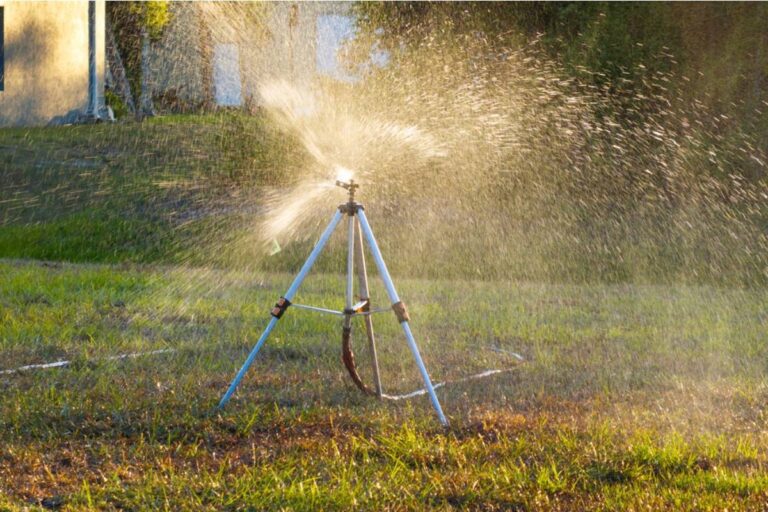
After several productive years, Kevin noticed the soil level inside the beds had dropped much lower than when he first filled them. Every spring required hauling in additional soil and compost just to restore the original depth. Despite those additions, the beds seemed to dry out faster than before. Water that once lasted for days now disappeared much more quickly. Kevin assumed the changing weather was entirely to blame.
Summer Heat Creates an Unexpected Problem
One particularly hot season, Kevin realized the raised beds became much warmer than the surrounding ground. Some leafy vegetables wilted long before midday despite regular watering. He installed extra irrigation and even tried covering the soil with mulch. The plants improved slightly but still struggled compared with previous years. His neighbor Maria noticed the same issue in her own raised beds.
A Conversation Sparks New Questions
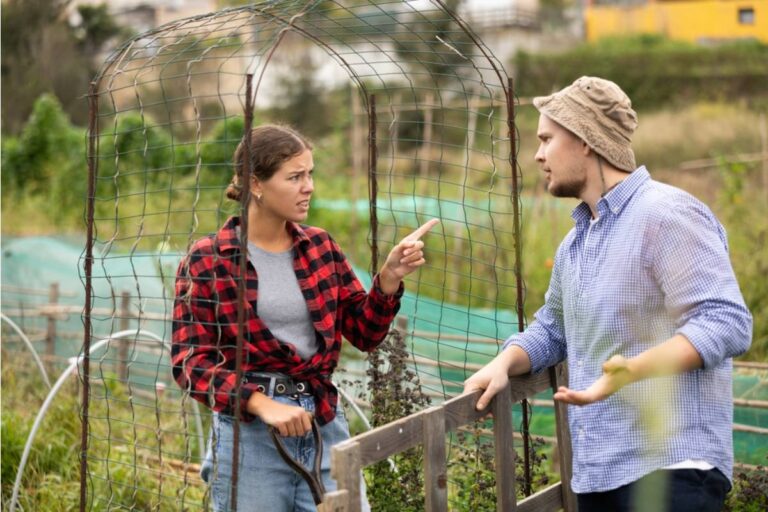
Maria invited Kevin over to see a small section of vegetables she had planted directly in the ground. To Kevin’s surprise, those plants looked healthier than the matching varieties growing inside her raised beds. She admitted she had started experimenting because maintaining the raised beds had become increasingly expensive and time consuming. Kevin listened carefully but remained skeptical. He still believed the raised beds simply needed a better solution.
Replacing the Wood Becomes a Bigger Project
One afternoon, Kevin leaned against a raised bed and noticed one of the wooden boards had begun rotting near the base. A closer inspection revealed several corners weakening after years of constant exposure to moisture. Replacing one board meant partially emptying the bed before repairs could even begin. What he expected to be a quick weekend project stretched into several exhausting days. By the end, he wondered whether rebuilding everything every few years made practical sense.
Earthworms Tell an Interesting Story
While repairing the beds, Kevin dug into the nearby ground and found it full of healthy earthworms. Curious, he compared that soil with the raised beds and noticed far fewer worms living inside them. A local gardening club member explained that natural soil ecosystems often develop more completely in undisturbed ground. Kevin had always focused on the plants growing above the surface. Now he started paying attention to what was happening underneath.
An Experiment Divides the Backyard
The following spring, Kevin planted half his tomatoes in the raised beds and the other half directly in the ground. He cared for both areas using nearly identical watering and fertilizing routines. Throughout the season, he carefully recorded plant growth, fruit production, and overall health. Friends teased him for turning his backyard into a science experiment. Kevin wanted real evidence before changing his gardening habits.
The Results Surprise Even the Skeptics
By late summer, the tomatoes growing in the ground had developed deeper root systems and required less frequent watering. They stayed productive even during stretches of intense heat that stressed the raised bed plants. Kevin expected similar harvests from both locations, but the difference became difficult to ignore. Even neighbors who had always admired his raised beds admitted the ground planted tomatoes looked stronger. The experiment challenged years of assumptions.
Other Gardeners Share Similar Experiences
Kevin brought his findings to a local gardening club meeting expecting disagreement. Instead, several longtime gardeners admitted they had quietly moved many crops back into the ground for similar reasons. Some mentioned lower maintenance, while others appreciated how naturally the soil retained moisture. A few still loved raised beds for certain vegetables and accessibility. The discussion made Kevin realize there was no universal answer for every garden.
The Backyard Starts Looking Different
Over the next year, Kevin gradually removed several raised beds instead of replacing them. He worked compost into the existing soil and expanded traditional garden rows across the yard. The space immediately felt more open, giving sprawling vegetables plenty of room to grow naturally. He kept one raised bed for herbs and another for crops that benefited from the extra height. Everything else returned to the ground where the property had originally supported plants for decades.
Curious Neighbors Notice the Change
People walking past Kevin’s backyard often stopped to ask why someone who once praised raised beds had removed so many of them. Instead of criticizing raised beds, Kevin explained that they had served him well for years. His gardening goals had simply changed as he gained more experience. Different gardens, climates, and lifestyles required different approaches. Most visitors appreciated the balanced explanation rather than expecting a simple answer.
Experience Replaces Popular Opinion
Looking across his backyard at the end of the season, Kevin realized the biggest lesson had nothing to do with wood, soil, or irrigation. Gardening trends can be helpful, but they are not permanent rules that fit every yard forever. Raised beds had solved important problems when he first built them, and planting in the ground solved different ones years later. The best gardeners, he concluded, were not the ones who followed every trend. They were the ones willing to change when their own gardens told them it was time.