Some Gardeners Are Growing Vegetables in Stackable Towers Indoors, And Vertical Farming Is Reaching Living Rooms
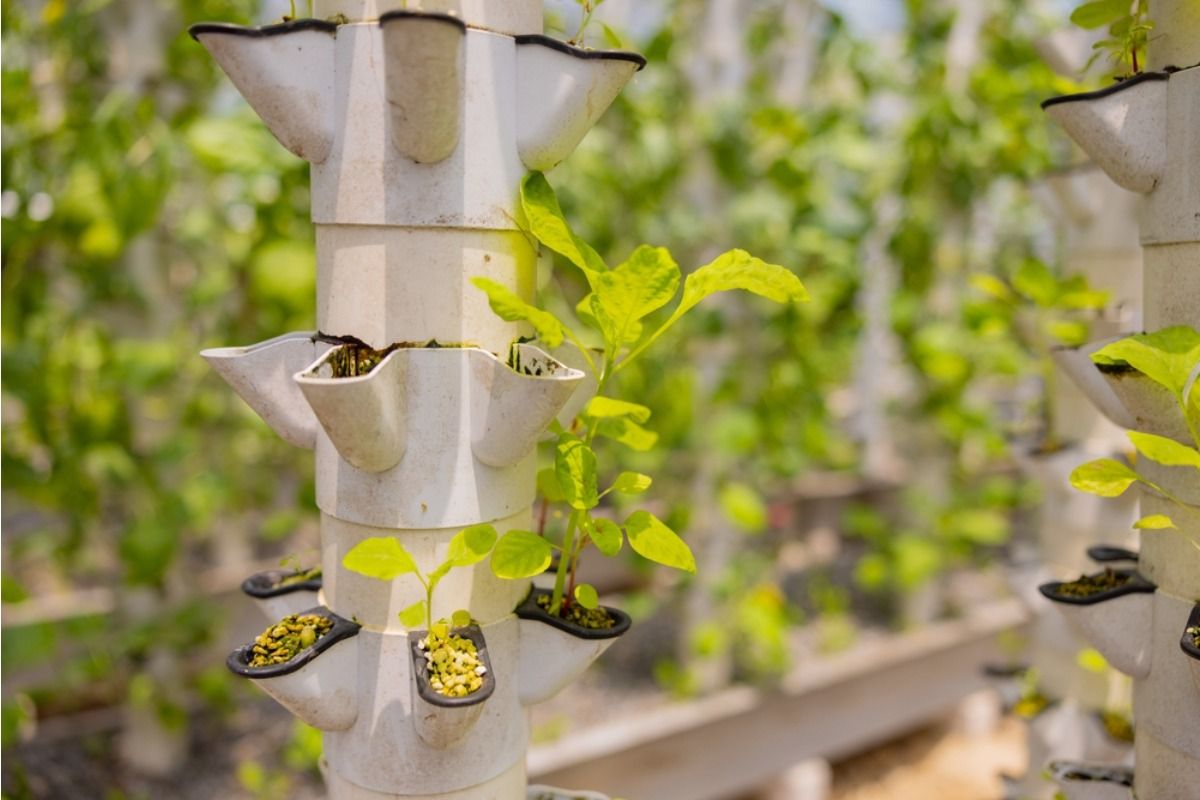
Some gardeners are now growing vegetables in stackable towers indoors, and vertical farming is increasingly moving from commercial setups into everyday living rooms.
Vertical Systems Are Replacing Traditional Pots
Instead of spreading plants across windowsills and tables, growers are stacking them upward in tiered towers. These systems allow multiple plants to grow in a single footprint. Space is used vertically rather than horizontally. This makes indoor gardening more efficient. Small homes can support more plants.
Living Rooms Are Becoming Growing Spaces
Indoor setups are no longer limited to kitchens or balconies. Many people are placing compact growing towers directly in living areas. This turns decorative space into productive space. Plants become part of home design. Function and aesthetics merge.
LED Lighting Makes Indoor Growth Possible
Since natural sunlight is limited indoors, LED grow lights are often built into or added around these systems. They simulate daylight conditions needed for plant growth. This allows vegetables to grow year-round indoors. Light control replaces seasonal dependency. Environment becomes adjustable.
Water Use Is More Controlled
Many vertical systems use recirculating water or drip irrigation to reduce waste. Water is reused within the system rather than constantly replaced. This improves efficiency. Maintenance becomes simpler. Resource use is optimized.
Fast-Growing Crops Are Most Popular
Leafy greens, herbs, and small vegetables are commonly grown in stackable towers. These plants adapt well to controlled environments. They also provide frequent harvests. Short growth cycles make them ideal. Productivity is continuous.
Indoor Air Quality Benefits Are Noticed
Having multiple plants indoors can improve air freshness and humidity levels slightly. While not a replacement for ventilation, plants contribute to a healthier environment. This adds a secondary benefit beyond food production. Homes feel more natural. Atmosphere improves.
Technology Is Driving Accessibility
Modern vertical farming kits are becoming more user-friendly, with automated timers, sensors, and nutrient systems. This reduces the need for gardening experience. Setup is simpler than traditional gardening. Automation supports beginners. Convenience is increasing.
Space Efficiency Is the Main Advantage
Even a small corner of a room can produce a steady supply of greens. This is especially useful in apartments with no outdoor access. Vertical stacking maximizes output per square meter. Space limitations are reduced. Productivity increases indoors.
Learning Curve Still Exists
Despite convenience, growers still need to manage light, nutrients, and water balance. Overfeeding or underlighting can affect plant health. Beginners may need trial and error. Experience improves success rates. Care remains important.
A Shift Toward Indoor Self-Sufficiency
This trend reflects a broader movement toward growing food at home regardless of outdoor conditions. Vertical towers bring farming into everyday living spaces. Food production becomes part of home life. Independence increases. Indoor gardening is evolving rapidly.
As stackable indoor towers become more common in living rooms, vertical farming is shifting from a niche idea into a practical home solution, bringing fresh vegetables closer to everyday living spaces than ever before.