Homeowner Endured Seven Years of Noise, Fence Battles, and Unwanted Yard Visits, Then Decided Selling the Garden Was the Only Way to Escape
A person shared his story about living in a neighborhood in the UK that had once been a peaceful collection of homes and ordinary gardens. The area had its quirks, but neighbors generally respected boundaries, helped each other, and let everyone enjoy their own little patch of outdoor space. After several years, however, one neighboring family turned what had once felt like a pleasant home into a constant source of frustration.
The problems weren’t limited to one irritating habit or an occasional disagreement. Dog mess, garden noise, footballs hitting the fence, children making repeated noise, vehicles blocking access, and aggressive confrontations had slowly become part of everyday life. After seven years of dealing with the situation, the homeowners eventually decided that the garden they had once loved was no longer worth the stress attached to it.
The Neighborhood Had Changed
The homeowner remembered the neighborhood as a place filled with older houses, small gardens, interesting characters, and a relaxed atmosphere. People didn’t necessarily socialize constantly, but there was an understanding that everyone had their own lives and their own boundaries. That informal agreement made the area feel comfortable despite the small properties.
Over time, the character of the neighborhood began changing. New residents arrived, and according to the homeowner, the easygoing atmosphere gradually disappeared. The house next door became the center of the problem, with behavior that made the narrow spaces between the properties feel even smaller.
The Fence Became a Daily Battlefield
One of the most persistent problems involved football. The neighboring father regularly played football in the garden with his children, sometimes while everyone was dressed in full football kits. Playing in a garden wasn’t the problem by itself, but the ball repeatedly slammed into the homeowner’s fence.
The homeowner eventually tried to speak with the father about the repeated banging. Instead of producing a polite agreement, the conversation allegedly turned into shouting and an offensive insult. That exchange changed the relationship completely because what had been a garden annoyance was now accompanied by a much more serious personal conflict.
The Dog Created Another Problem
The family’s dog apparently wasn’t taken for regular walks, according to the homeowner. When it was left alone inside the house, it would howl repeatedly, with the noise happening so often that it became impossible to ignore. The homeowner had to live beside the sound rather than simply dealing with an occasional bark.
There was another problem involving dog waste. The neighbors were accused of throwing bags containing dog mess over the fence into an access alley, creating an unpleasant situation around a space shared by the surrounding homes. Instead of feeling like ordinary neighborhood life, the area began to resemble a collection of small problems that somehow kept multiplying.
The Children Added Their Own Noise
The children next door had their own contribution to the constant disturbance. According to the homeowner, they would bounce around in their bedroom, while one child had developed a habit of repeating the same sentence over and over again. Furniture was also apparently scraped across floors both day and night.
The individual incidents might have been manageable on their own, but together they created an exhausting background of noise. The homeowner had lived there for years and had already accepted that close neighbors would naturally make some sound. What became intolerable was the cumulative effect of never quite getting a peaceful stretch of time.
Even Moving the Bins Started a War
The hostility apparently started early. When the homeowners first moved into the property, they received a stroppy note complaining that they had moved the neighbors’ bins approximately five yards on moving day. It was hardly the sort of neighborhood disagreement that normally becomes memorable.
Yet the homeowner remembered the incident because it established the tone of the relationship. Something that could have been settled with a casual conversation instead became another sign that the neighbors were willing to turn small inconveniences into major complaints. Looking back after seven years, the bin incident seemed almost comical compared with what came afterward.
The Garden Had Become a Stress Zone
Perhaps the most frustrating part was that the homeowners didn’t appear to be doing anything particularly disruptive themselves. Their garden and home were simply part of an ordinary residential environment. Yet they increasingly felt as though every part of their property was being affected by the behavior next door.
Garden enjoyment became difficult because outdoor space is impossible to separate completely from neighboring activity on small lots. A football hitting the fence interrupts gardening, loud children interrupt sitting outside, and vehicles blocking access can interfere with basic household routines. The homeowner’s garden had effectively become an extension of the ongoing dispute.
Then the Vehicles Started Appearing
The homeowner also described the neighbor using spare vehicle parts stored in a garage. Vans would reportedly park across the homeowner’s drive on a weekly basis so that parts could be shared or exchanged. What might have been occasional practical help among friends became another repeated intrusion into the homeowner’s space.
The problem was especially frustrating because driveways and access points are limited on compact properties. Even a temporary obstruction can turn into a major nuisance when it happens regularly. The homeowners were already dealing with noise and fence conflicts, so blocked access became another reminder that they had little control over what was happening around their own home.
The Garden Hose Broke Another Rule
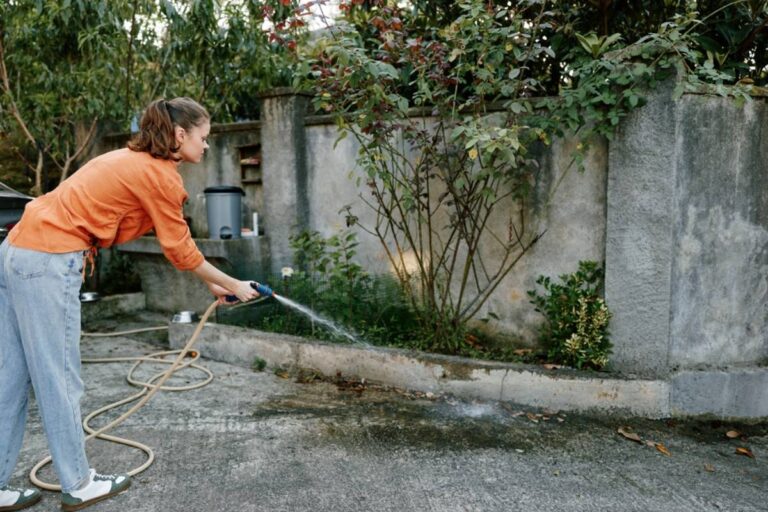
There was even an issue involving watering the garden. The homeowner said the neighbor continued using a hosepipe during a hosepipe ban. Whether or not the homeowners wanted to police that behavior wasn’t really the point, but it added another strange detail to an already long list.
The neighbor appeared willing to ignore restrictions while simultaneously being highly demanding about minor matters around the surrounding homes. That contrast made the situation feel even more frustrating from the homeowner’s perspective. The garden was becoming a place where ordinary household activity was constantly tangled up with the behavior of the property next door.
The Neighbor Was Difficult to Approach
The homeowner made it clear that ordinary communication no longer seemed possible. Attempts to discuss the fence had allegedly resulted in verbal abuse, and on one occasion there was even an allegation of physical violence. A police report was pending further action, which meant the dispute had moved well beyond the usual category of annoying-neighbor disagreements.
That detail changed how the rest of the story needed to be viewed. Once threats or physical confrontations enter the picture, trying to win arguments about footballs, noise, or garden boundaries becomes much less important. Several responses from people recognized that the safest goal was no longer changing the neighbor’s behavior, but protecting the homeowner’s own peace.
Seven Years Finally Felt Like Enough
The homeowners had already endured the situation for seven years. That’s a long time to live beside recurring disturbances, especially when the relationship has deteriorated rather than improved. Every new problem had the potential to bring back the previous arguments, making even ordinary days feel tense.
Eventually, the homeowners made a decision that required no agreement from the neighbor. They decided to put their house on the market. Instead of spending another year trying to reform someone who seemed unwilling to change, they chose to remove themselves from the situation entirely.
The Responses Mostly Supported the Escape
A response from a person said the situation sounded awful and suggested that moving was the only realistic path to peace. Another person noted that seven years was more than enough time to tolerate this kind of behavior. The common thread was that the homeowners shouldn’t feel guilty for choosing their own peace after such a long period of conflict.
Another response from a person asked how the neighborhood dispute might affect the eventual sale of the property. That question introduced a new problem the homeowners hadn’t escaped yet. Leaving the house was one thing, but selling a property with a documented neighbor dispute could create its own complications.
Then the Sale Raised an Awkward Question
One person suggested maintaining records of every incident, especially because a police report already existed. The idea was that documentation could help protect the homeowners if the situation escalated before they managed to sell. But another response pointed out that neighbor disputes can be relevant during a property sale and may need to be disclosed.
That made the planned escape more complicated. The homeowners weren’t simply packing boxes and driving away from an unpleasant neighbor. They now had to consider what prospective buyers might be told about the history between the properties and whether the dispute could affect the sale or negotiations.
The Comments Became Surprisingly Creative
Despite the seriousness of the situation, several responses took a much more humorous approach. One person jokingly suggested that the homeowners should sell the property to a biker gang, apparently imagining that the neighbor’s behavior might become considerably less confident in that arrangement. The homeowner replied that she was actually looking forward to seeing who eventually bought the house.
Another person proposed inventing an absurd nickname for the football-playing neighbor and displaying it publicly. Although the suggestions were mostly jokes rather than practical recommendations, they showed how much sympathy the homeowners were receiving from people who could easily imagine the frustration of living beside someone impossible to reason with.
Someone Saw a Bigger Problem
A response from a person focused on the children and the language being used around them. The concern was that an adult who responds to a neighbor with aggressive insults is also modeling that behavior for his children. The commenter also expressed sympathy for the dog, which was described as being left alone and howling frequently.
That observation shifted the story slightly. The issue wasn’t simply that the neighbors were inconsiderate adults. Their behavior was affecting everyone around them, including the children and the family pet. The homeowners couldn’t solve those wider problems, but they could decide how much more of that environment they were willing to tolerate.
The Garden Was the Final Symbol
For seven years, the garden had been part of the homeowners’ life. It should have been a place to step outside, tend plants, enjoy fresh air, and have some separation from the wider world. Instead, the fence became a line where footballs repeatedly struck, dogs and waste became issues, and arguments could erupt.
That made selling the property feel like more than a financial decision. The homeowners weren’t abandoning a garden because they no longer liked gardening. They were giving up a home because the surrounding environment had made enjoying that garden increasingly difficult.
The Twist Was That Leaving Wasn’t Defeat
The homeowners had spent years dealing with the assumption that they somehow needed to find the perfect response to their neighbors. They tried speaking to the father, endured the noise, tolerated the recurring problems, and apparently continued hoping things might improve. Eventually they realized that there was no magic conversation that would transform the relationship.
The final decision was therefore surprisingly simple. They would sell the property, disclose whatever was legally required, keep records of the existing dispute, and move somewhere they could enjoy their home without constantly monitoring what was happening next door. After seven years of trying to protect their peace inside the same garden, the homeowners finally decided the best boundary was a property line somewhere else.