Homeowner Says His Neighbor’s Garden Became Home to More Than 20 Cats, Then Dead Kittens Started Appearing Along the Fence
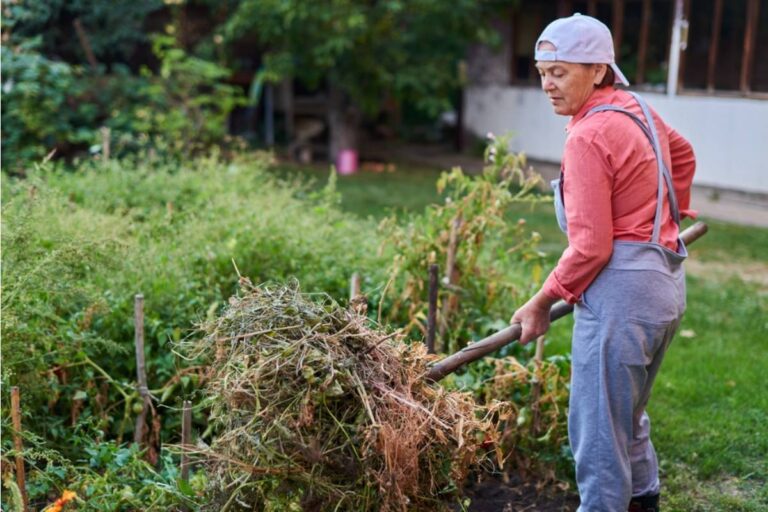
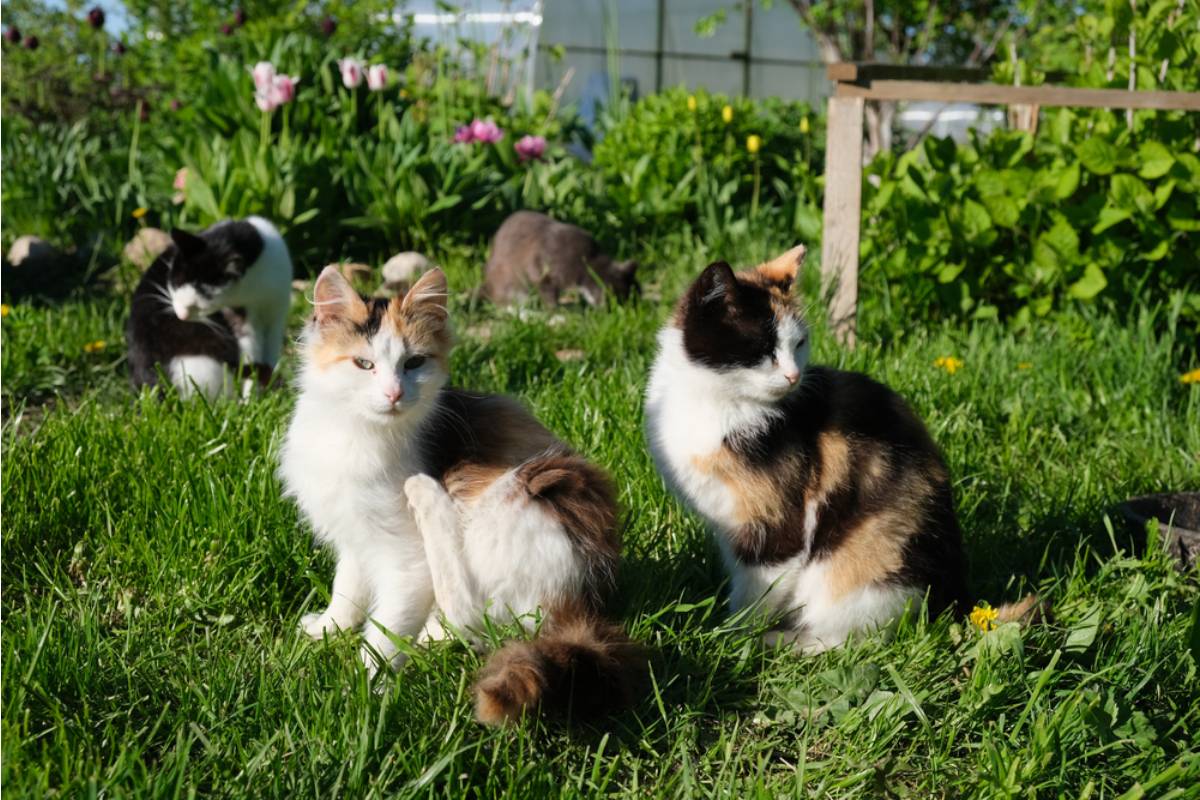
A person shared his story about an elderly neighbor whose garden slowly became an unexpected home for a growing group of outdoor cats. About a year and a half earlier, she reportedly had only four cats wandering around the property, which did not seem especially unusual. Then the numbers began climbing until more than 20 cats were living around the garden.
At first, the problem seemed like something that might eventually settle down on its own. Instead, the cats kept reproducing, and the garden became increasingly crowded with animals searching for food and shelter. What had once looked like a quiet residential garden was turning into something much harder for the neighbors to ignore.
The Garden Was Getting More Crowded
The amount of food arriving at the property gave the neighbors another clue that the cat population was not going to disappear naturally. Every two weeks, the elderly woman reportedly received around 60 kilograms of cat food. With that much food regularly appearing, the garden had little chance of becoming less attractive to hungry cats.
The steady supply also created a strange cycle. More food meant more cats could survive around the property, while unneutered cats continued producing more kittens. Before long, the garden was no longer simply a place where a few pets happened to wander through.
Then the Dogs Became Part of the Problem
The situation began affecting the neighboring household directly because the person telling the story had dogs of his own. Unfortunately, the dogs kept getting into the cats’ feces and even eating or digging through it in the yard. That meant their owner had to bathe them several times a week.
The problem was not just unpleasant gardening cleanup. The dogs developed terrible breath afterward, and their owner became worried that repeated exposure could make them sick. Suddenly, the cats were affecting not only the garden but also the routines and concerns of another household.
The Fence Line Revealed Something Worse
The most disturbing part of the story came when dead kittens began appearing around the property. One summer, the neighbors reportedly discovered three dead kittens behind a trash bin. It was the kind of discovery that made the growing cat population feel much more serious.
Then, about two weeks before the story was shared, two frozen kittens were found along the fence. The discovery turned a frustrating neighborhood problem into something much darker. The garden was no longer simply crowded with animals, because vulnerable kittens were apparently being born without enough care to survive.
Every New Litter Carried a Risk
According to the person who shared the story, whenever one of the cats had kittens, some of those kittens seemed to die. With so many cats reproducing, that meant the same heartbreaking cycle could keep happening again and again. There appeared to be no reliable system for preventing unwanted litters or caring for every newborn.
The garden itself had become part of that cycle. Cats could find food, shelter, and places to give birth, while the number of animals kept rising. What looked like compassion toward stray cats from one angle was creating a serious welfare problem from another.
Neighbors Tried to Solve It Peacefully
The surrounding neighbors reportedly did not immediately jump to confrontation. Several people, including the person who told the story, tried to offer help and look for practical solutions. Their goal was apparently to improve the situation rather than simply punish the elderly woman.
They tried speaking with her about the growing number of cats and the problems surrounding them. She reportedly said she wanted to find a solution, which gave the neighbors some hope. Unfortunately, that hopeful window did not last very long.
Suddenly, Nobody Could Reach Her
Eventually, the communication stopped almost completely. The neighbors would knock on her door, but she would ignore them and simply look away. The same person who had once said she wanted a solution now seemed unwilling to discuss the problem at all.
That left the neighbors with a difficult situation and very few answers. They could see the cats multiplying, but they could not even have a productive conversation with the woman responsible for feeding them. Meanwhile, the garden continued to serve as the center of the growing problem.
The First Responses Focused on the Cats
One response from a person suggested a familiar approach for managing large outdoor cat populations: trap, neuter, and return. The idea was to safely trap the cats, have them sterilized, and return them to their territory so they could no longer keep producing new litters. The person also suggested checking whether a local shelter could provide traps or perform the procedures at little or no cost.
Other responses focused on getting the cats into shelters or rescue programs whenever possible. Some people explained that kittens may be kept for adoption while adult cats are sterilized and handled differently depending on their temperament. That approach could gradually reduce the population while preventing the garden from filling with even more kittens.
But Some Shelters May Be Full
The discussion also revealed a frustrating obstacle. Not every animal shelter or rescue group has space for large numbers of feral or outdoor cats. Some people said organizations in their areas were already overwhelmed, making it difficult to simply load up the entire population and expect a shelter to take everyone.
That meant the solution might need to be much more organized than one trip to a rescue center. A large outdoor colony can require trapping, sterilization, medical care, placement, and long-term management. Without cooperation from local agencies or volunteers, the garden could continue operating like an accidental cat nursery.
Attention Turned Toward the Elderly Neighbor
Several responses also raised concern about the woman herself. A person suggested contacting adult protective services because the situation could indicate that she was struggling to manage both the property and the growing number of animals. The concern was not only about the cats but also about whether the homeowner could safely cope with what had developed around her.
Another response pointed out that adult protective services may have limited authority when an older person refuses assistance. That created another complication, because simply making a report does not automatically mean someone can enter a home or remove animals. The neighbors therefore appeared to be facing two connected problems with very different rules.
The Garden Had Become a Health Concern
The amount of cat feces scattered around the area raised another serious issue for the neighbors. One response suggested contacting the local health department because accumulated animal waste can create sanitation concerns and attract pests. For someone trying to maintain a normal residential garden, that kind of contamination can turn routine yard work into a constant battle.
The dogs made the issue even harder to ignore. They were repeatedly getting into the waste, which meant the household had to deal with unpleasant cleanup and concerns about possible exposure to parasites or illness. A garden that should have been a peaceful outdoor space had become a place the neighbors were constantly trying to keep their pets away from.
Someone Suggested Going Beyond Animal Control
Because previous reports had apparently not resolved the situation, another response suggested contacting broader local authorities. The idea was that animal control, public health officials, and other agencies might need to coordinate rather than handling the complaints separately. Different parts of the problem were piling up at the same time, from animal welfare to sanitation.
One response from a person claimed that in some municipalities, animal control can become involved when large numbers of animals are being kept in unsafe conditions. Local rules can also limit how many animals are allowed on a property, although those rules vary widely. For the neighbors, learning exactly which local regulations applied could be an important part of figuring out what could happen next.
The Empty Door Became a Symbol
Perhaps the strangest detail was the woman refusing to answer when neighbors came looking for her. She reportedly knew people were concerned, yet she continued avoiding direct conversations. Every unanswered knock left the neighbors staring at the same garden full of cats and wondering what would happen next.
That silence made the situation feel as though it had reached a tipping point. The neighbors could not simply talk the population down, and they could not personally solve every problem created by dozens of animals. The garden had become a problem that was growing faster than the people around it could control.
A Trap Could Change the Whole Garden
The repeated suggestion to trap and sterilize the cats offered a possible path forward. If enough adult cats could be safely sterilized, the endless arrival of new litters could eventually slow. Kittens that were young enough to be socialized might also have a better chance of being placed into homes.
The twist was that the garden did not necessarily need to become empty overnight to become manageable. A controlled reduction in the population could gradually transform the property from an overcrowded breeding ground into a more stable outdoor environment. The difference would depend on whether the right people could finally coordinate the effort.
The Neighbors Were Running Out of Time
The person sharing the story was especially worried about what would happen once summer returned. Warmer weather could mean even more breeding, more kittens, and more problems around the garden. If the current situation was already producing dead kittens and piles of waste, there was little reason to expect it to improve simply by waiting.
That fear gave the entire story its final sense of urgency. The neighbors had tried talking, reporting, and offering help, but the cats continued multiplying while communication with the homeowner disappeared. The next chapter would likely depend on whether local organizations finally stepped in before the garden became even more crowded.
A Garden Problem With No Easy Ending
What began with four outdoor cats had reportedly grown into a colony of more than 20 animals surrounding one home. Food deliveries helped sustain the population, repeated litters added more kittens, and the consequences eventually spilled into neighboring yards. The discovery of dead kittens made it impossible to view the situation as just an annoying neighborhood nuisance.
The biggest twist was that everyone involved seemed to want some kind of solution, yet nobody appeared able to put one into motion. The neighbors wanted safer yards, healthier pets, and better conditions for the cats, while the elderly homeowner seemed increasingly unwilling or unable to engage with them. Until someone can break that stalemate, the garden may remain the center of a problem that keeps growing with every new litter.