Gardener Says Her Landlord Wants to Charge Her Extra Rent Because the Garden She Built Increased the Home’s Appraised Value
When a tenant transformed an empty backyard into a thriving garden, she expected compliments and maybe a thank you, not a conversation that would leave her questioning whether her own hard work had become a reason to pay more.
An Empty Backyard Became a Passion Project
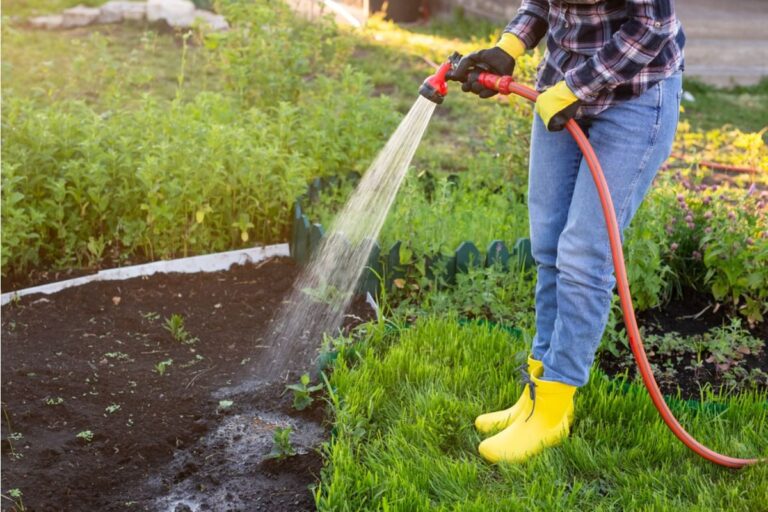
When Olivia rented the small house, the backyard was little more than dry dirt and patchy grass. The previous tenants had ignored the space, leaving broken stepping stones and weeds scattered everywhere. Olivia loved gardening, so she asked her landlord, Mr. Harris, if he minded her improving the yard.
He smiled and told her she could plant whatever she wanted as long as she maintained it herself. That simple agreement inspired her to spend nearly every weekend turning the neglected yard into something beautiful.
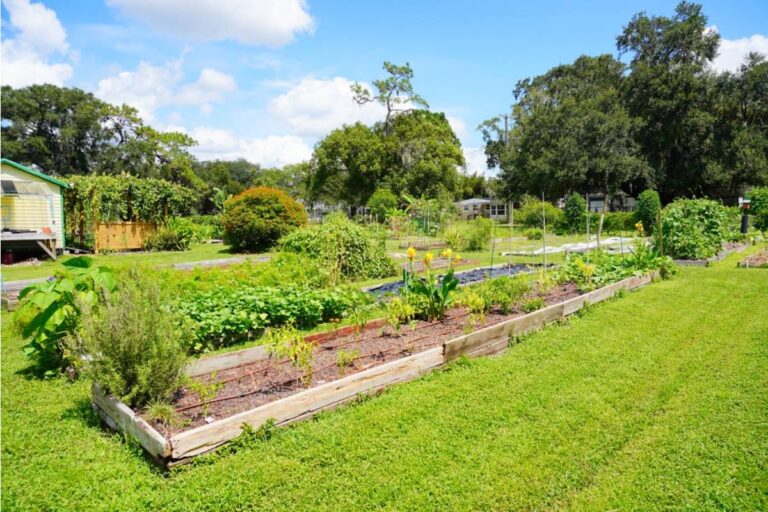
She built raised beds with reclaimed wood and planted vegetables beside colorful native flowers. Friends often volunteered to help, and neighbors stopped to admire the progress. After two years, the backyard barely resembled the place she had originally rented.
The Garden Became Part of the Neighborhood
Children walking home from school loved watching butterflies gather around the flowers. Older neighbors often asked Olivia for gardening advice because her tomatoes seemed healthier than anyone else’s. She occasionally shared extra vegetables with families nearby, leaving baskets of cucumbers, peppers, and herbs on their porches.
The yard slowly became a neighborhood landmark.
People gave directions by mentioning the colorful garden on Olivia’s street. Even delivery drivers commented that the house was easy to recognize because of the bright flowers surrounding the fence.
An Unexpected Visitor Walked Through the Yard
One afternoon Mr. Harris arrived with an appraiser.
Olivia assumed they were checking the roof or inspecting the exterior before renewing the homeowner’s insurance. Instead, the appraiser spent almost as much time examining the backyard as the house itself. He photographed the raised beds, the stone pathways, the fruit trees, and the carefully maintained landscaping.
Olivia found it slightly unusual but thought little about it.
The appraiser complimented her work before leaving, saying the property looked exceptionally well cared for.
A Strange Phone Call Followed
Several days later Mr. Harris called and asked whether they could meet.
His tone sounded friendly but unusually formal. They sat on the back patio overlooking the garden Olivia had spent years creating.
After a brief conversation, he explained that the property’s recent appraisal had increased.
According to him, the improved landscaping had contributed to the home’s overall appearance and perceived value. He believed it was reasonable to discuss increasing her monthly rent because the property had become more valuable.
Olivia thought she had misunderstood.
The Conversation Became Uncomfortable
She reminded Mr. Harris that she had personally purchased nearly every plant, every bag of soil, every raised bed, and every garden tool. None of those improvements had been paid for by the property owner.
Mr. Harris acknowledged that fact.
Still, he argued that future tenants would likely find the attractive backyard appealing. Since the property could now command higher rent, he believed adjusting Olivia’s rent made business sense.
Olivia left the conversation feeling stunned.
Friends Reacted With Disbelief
That weekend Olivia invited several friends over for a garden gathering.
When she explained the conversation, nobody could believe what they were hearing. One friend joked that perhaps she should have left the backyard full of weeds if improving it meant paying more.
The jokes quickly faded.
Everyone agreed the situation felt unfair because Olivia had invested years of labor into property she did not own while expecting nothing in return except the enjoyment of gardening.
The Lease Became the Center of Attention
Olivia carefully read every page of her lease agreement.
She highlighted sections covering landscaping, property maintenance, improvements, and rent adjustments. The document confirmed that tenants needed permission for significant alterations, which she had received verbally, but it contained no language suggesting rent would increase because of tenant funded landscaping.
She made copies of everything.
She also gathered old text messages where Mr. Harris had encouraged her gardening projects and thanked her for making the yard look beautiful.
A Neighbor Remembered an Important Detail
Olivia’s next door neighbor, Diane, had lived on the street for more than twenty years.
When Olivia explained the situation, Diane recalled a conversation from years earlier. Mr. Harris had repeatedly struggled to find long term tenants because the backyard looked neglected.
Diane smiled thoughtfully.
“I remember him saying he wished someone would finally care about that yard.”
Those words stayed with Olivia because they suggested the garden had solved a problem the landlord himself had acknowledged.
Another Tenant Shared a Similar Story
Through a local community group, Olivia connected with another renter who had once leased one of Mr. Harris’s properties.
That tenant explained she had renovated a neglected flower bed after receiving permission. Although her experience had not involved rent increases, she remembered Mr. Harris proudly using photographs of the landscaping when advertising the home after she moved out.
The pattern caught Olivia’s attention.
She began wondering whether improvements made by tenants had quietly benefited the property’s marketability for years.
A Calm Meeting Produced New Information
Instead of arguing through phone calls, Olivia asked for another in person meeting.
She brought her lease, receipts for gardening supplies, photographs documenting every stage of the backyard transformation, and copies of earlier messages. She calmly explained that she had improved the yard believing she was creating a better place to live, not increasing future rental costs for herself.
Mr. Harris listened carefully.
For the first time, he admitted that the appraiser had complimented the landscaping so enthusiastically that he began viewing the garden as part of the property’s increased value rather than recognizing how much of that value came directly from Olivia’s work.
The Appraiser Clarified His Comments
Curious about the appraisal, Mr. Harris contacted the appraiser again.
The appraiser later explained that while attractive landscaping certainly enhanced curb appeal, he had never suggested raising Olivia’s rent because of her gardening. His comments had simply recognized that the property appeared exceptionally well maintained compared to similar homes.
That clarification changed the discussion.
Mr. Harris realized he had interpreted the appraisal in a way the appraiser never intended.
A Better Agreement Took Shape
During their next meeting, both sides approached the conversation differently.
Instead of discussing higher rent, they talked about future maintenance and ownership of the garden. Olivia explained which raised beds could be removed if she ever relocated because she had built them herself.
Mr. Harris paused for a long moment.
Finally, he proposed that the rent remain unchanged for the current lease term. He also agreed that portable garden features purchased by Olivia would remain her property unless they negotiated otherwise in writing.
The Garden Inspired a New Tradition
News of the unusual disagreement spread quietly among neighbors, many of whom rented homes with small yards. Several landlords in the area began encouraging written agreements before major landscaping projects so everyone understood expectations from the beginning.
Olivia continued gardening with even greater confidence because the boundaries were now clear.
She organized seasonal gardening workshops for renters interested in improving outdoor spaces without creating future misunderstandings. Those gatherings became surprisingly popular because many tenants had never considered questions about ownership, maintenance, or removable garden features.
The Backyard Meant More Than Property Value
Another growing season arrived, and the garden flourished once again with vegetables, wildflowers, herbs, and fruit trees that attracted birds and butterflies throughout the neighborhood. Visitors admired the beauty of the space, but Olivia appreciated something even more meaningful. She had learned that honest conversations and clear agreements could protect both relationships and hard work before assumptions turned into conflicts.
Mr. Harris also gained a valuable lesson.
Whenever new tenants asked about gardening, he now discussed expectations in writing before the first seed was planted. Olivia’s backyard remained one of the most admired gardens on the block, not because it increased anyone’s appraisal, but because it reminded everyone that effort, creativity, and mutual respect should always grow together.