Gardener Says She Taught a Free Community Gardening Workshop for Two Seasons, Then Found Out a Neighbor Has Been Running Paid Classes Using Her Exact Notes and Handouts
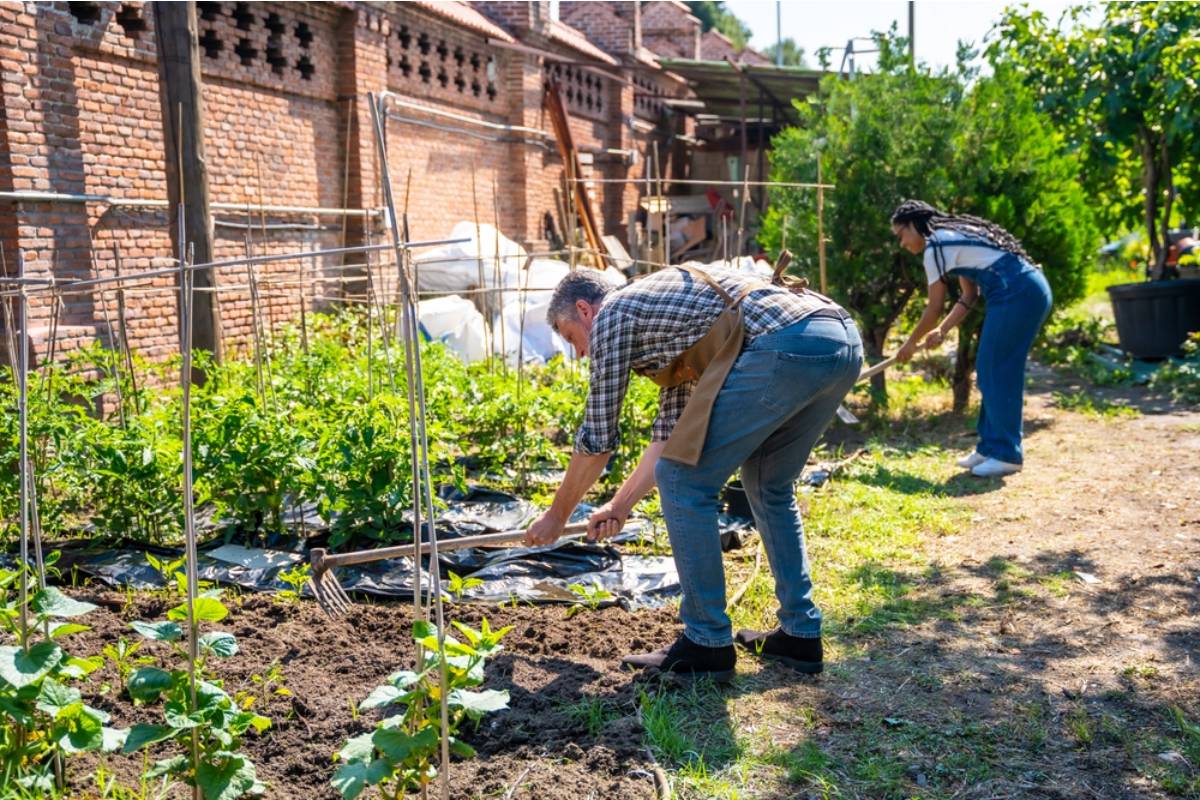
For two growing seasons, I volunteered every Saturday at our local community garden, teaching free workshops for anyone who wanted to learn the basics of gardening. I created my own lesson plans, printed handouts at home, and spent evenings updating them with notes from each class.
Families, retirees, and first time gardeners all came through the program, and watching them gain confidence was incredibly rewarding. I never charged anyone because I believed gardening knowledge should be accessible to everyone. That is why what happened afterward caught me completely off guard.
A Familiar Flyer Caught My Eye
One afternoon, I stopped at a neighborhood coffee shop and noticed a flyer pinned to the community board. It advertised a gardening class taught by a woman named Melissa who lived a few streets away. At first I smiled because I thought it was great that more people were teaching gardening. Then I noticed several phrases that sounded strangely familiar. The class description matched the opening paragraph from my own workshop almost word for word.
The Lesson Titles Sounded Too Familiar
Curiosity got the better of me, so I looked closer. Every session listed on the flyer followed the exact sequence I had developed over the previous two seasons. Even the unusual titles I had created for individual lessons appeared unchanged. I stood there staring at the paper much longer than I expected. It no longer felt like a coincidence.
One Former Student Shared a Surprising Story
A few days later, one of my former workshop attendees stopped me while I was watering vegetables at the community garden. She mentioned attending Melissa’s paid class because she thought it would offer more advanced techniques. Instead, she realized she had already heard almost everything before. She even joked that the instructor’s jokes sounded strangely familiar. That comment immediately made me uneasy.
The Handout Removed All Doubt
My former student reached into her gardening bag and handed me one of the printed class guides. My heart sank as soon as I unfolded it. The formatting, diagrams, planting charts, and even a small spelling mistake I had overlooked months earlier were all still there. Only my name had been removed from the bottom of the page. Someone had copied the document almost exactly.
I Compared Every Page
That evening, I spread both versions across my dining room table. Page after page matched almost perfectly, including illustrations I had drawn myself. Melissa had changed the font and added her contact information, but everything else remained the same. Even the order of the examples was identical. It became impossible to believe she had created the material independently.
I Decided to Attend a Class
Rather than confronting her immediately, I signed up for one of the sessions under my first name only. Melissa welcomed everyone warmly and handed out the same notes I had already compared at home. As she spoke, I recognized entire sections of my own explanations almost word for word. At one point she even repeated a gardening story that had happened to me personally, telling it as though it had happened to her. Sitting quietly in the back row became increasingly difficult.
A Student Asked the Wrong Question
During the class, someone asked about a tomato disease that was never covered in my original workshop. Melissa paused for several seconds before giving a vague answer that did not really address the problem. I realized she was comfortable repeating my material but struggled whenever the discussion moved beyond it. Several students looked confused. That moment convinced me the copied lessons went much deeper than a borrowed handout.
The Conversation Happened Face to Face
After the class ended, I introduced myself properly. Melissa’s expression changed the moment she recognized my name. I calmly placed one of my original handouts beside hers and asked how the two documents had become so similar. She quietly admitted she had attended several of my free workshops during the previous year. She claimed she never expected the classes to become a business when she first took notes.
Her Explanation Raised More Questions
Melissa insisted she thought teaching similar material was acceptable because gardening advice could not belong to one person. I agreed that no one owns basic gardening knowledge. Then I pointed out that my custom diagrams, lesson order, personal stories, and original worksheets were not generic information. She looked down at the table and admitted she should have created her own materials. It was the first time she stopped defending herself.
The Community Garden Committee Stepped In
Rather than turning the disagreement into a public argument, we asked the community garden committee to help mediate. They reviewed both sets of workshop materials and quickly noticed how closely they matched. Several committee members remembered watching me develop the lessons over two seasons. Their conclusion was straightforward. Melissa needed to stop using the copied documents immediately.
An Unexpected Offer Changed the Situation
A week later, Melissa came to my house carrying a folder filled with rewritten lesson plans. She apologized for taking shortcuts instead of creating her own curriculum. She also asked whether I would consider collaborating on future community events rather than competing with each other. I appreciated that she had clearly invested time into rebuilding the material from scratch. The conversation felt far more productive than the confrontation had.
The Workshops Returned to Their Original Purpose
This season, the free community workshops continue exactly as they always have, welcoming anyone interested in learning how to garden. Melissa now teaches occasional specialty classes using lessons she developed herself, and she openly credits the community garden for inspiring her.
We still have different teaching styles, but there is no confusion about whose work belongs to whom. Looking back, the copied handouts were disappointing, but they also reminded me how much effort goes into creating something original. That effort deserves the same respect as the gardens we encourage people to grow.