Homeowner Asks How To Stop A Neighbor’s Tree From Growing Through Their Fence, But The Easy Fix Could Create A Much Bigger Problem
A homeowner shared a frustrating problem involving a tree growing along the fence between their backyard and a neighboring property. They had lived in the home for about five years, and over time, the tree had started sending branches and roots into their side of the yard. Cutting the branches seemed to help temporarily, but the growth kept returning.
The situation became more complicated because the neighboring property had recently been purchased by a rental company. The homeowner had never met the new owners, which made it difficult to discuss the tree directly. With the growth becoming increasingly annoying, they wanted to know whether they should keep trying to contact the owners or look for another solution.
The Fence Added Another Layer To The Problem
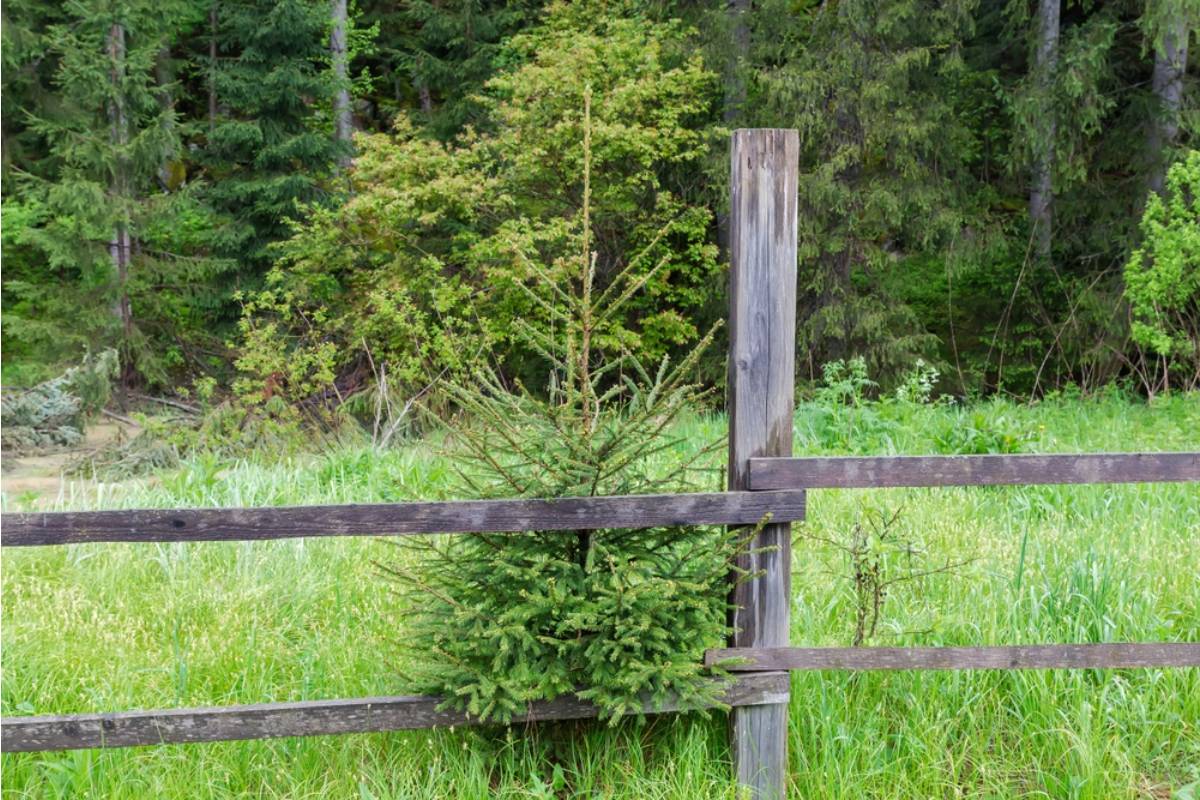
From the homeowner’s description and photos, the tree appeared to be growing immediately beside the fence, with some of its roots extending into the homeowner’s yard. The fence itself technically belonged to the neighbors, which made the situation even more complicated. The homeowner wasn’t simply dealing with unwanted branches, but with a tree growing right alongside a structure they didn’t control.
One response from a person immediately asked the most important question: who actually owned the tree? That distinction mattered because being annoyed by a tree doesn’t automatically give someone the right to remove or kill it. Before doing anything drastic, the property line and ownership needed to be established.
The First Advice Was Surprisingly Simple
Several responses focused on contacting the neighboring property owner before taking any permanent action. One person suggested using public records to identify the owner and sending a certified letter explaining the problem. That would create a written record while also giving the owner an opportunity to address the tree.
The suggestion made practical sense because the property was now being used as a rental. The homeowner might never have a convenient opportunity to meet the actual owner in person, but that didn’t mean communication was impossible. A written request could potentially turn a recurring backyard headache into a simple landscaping conversation.
Some People Thought The Tree Should Just Be Killed
Not everyone was interested in a diplomatic solution. A few responses suggested applying systemic herbicides to fresh cuts in order to kill the tree. One person specifically mentioned products containing glyphosate or triclopyr, claiming this could eliminate the need to repeatedly trim the growth.
That advice immediately attracted criticism, and for good reason. If the tree belonged to the neighbor, intentionally killing it could create an entirely different dispute involving property damage, liability, and potentially local regulations. What looked like a shortcut could therefore turn a nuisance into a much more expensive problem.
One Response Explained Why Poisoning Was Risky
A person who said they had worked as a licensed commercial pesticide applicator for more than two decades strongly pushed back against the casual herbicide suggestions. They pointed out that pesticide use isn’t simply a matter of pouring something onto a plant and hoping for the best. Product labels and applicable laws can impose specific requirements on how chemicals are used.
Another person was even more direct, asking why so many commenters were suggesting systemic herbicides to kill someone else’s tree. The criticism highlighted the central issue with the advice: the homeowner was dealing with someone else’s property. Even if the tree was technically a nuisance, intentionally killing it without permission could create a legal problem far worse than the original inconvenience.
The Tree May Not Actually Be On The Homeowner’s Property
One response focused heavily on the fence itself. The person observed that the fence appeared to belong to the neighboring property and warned that the visible side of the fence did not necessarily establish the exact property boundary. They suggested that the actual property line could potentially sit several inches away from the fence.
That distinction could be important before anyone starts cutting roots, removing vegetation, or altering the fence. A fence can provide a useful visual clue, but it isn’t automatically a legal survey of the property boundary. Knowing exactly where one property ends and the other begins would give the homeowner a much clearer idea of what they could safely maintain.
The Homeowner Clarified Where The Roots Were Going
The homeowner later explained that the fence technically belonged to the neighbors because the properties were positioned very close together. They also clarified that the tree’s lower roots had begun spreading onto their side of the yard. That made the problem feel more invasive from their perspective.
The response also showed why simply trimming branches wasn’t solving everything. The homeowner could keep dealing with visible growth, but the roots were still developing underneath the surface. The more the tree continued growing, the more likely the homeowner was to face the same problem again.
Trimming May Be The Safest Immediate Option
One of the more cautious responses explained that if the tree belonged to the neighbor and its branches were crossing the property line, the homeowner could generally trim encroaching growth back to the boundary, subject to local law and any special protections on the tree. That would address the portion directly affecting their yard without deliberately damaging the neighbor’s tree.
The downside was that it might become an annual chore. The homeowner had already discovered that cutting the branches only provided temporary relief because the tree kept growing. Still, routine trimming was considerably different from intentionally poisoning or destroying the entire tree.
The Roots Could Become A Bigger Concern
A person warned that the tree could eventually damage the fence itself. That possibility made the situation more than a cosmetic annoyance. If roots continued expanding directly beside the fence, the structure could eventually become damaged or displaced.
That doesn’t necessarily mean the homeowner should take matters into their own hands. Instead, it gives them another reason to document the problem and contact the property owner. Photographs showing the tree, roots, branches, and fence could become useful if the issue eventually turned into a property-maintenance dispute.
The Rental Property Made Communication Harder
The homeowner’s biggest obstacle appeared to be the fact that they had never met the people who now owned the neighboring property. Since it had been purchased as a rental, there might be tenants, a property manager, or an investment company between the homeowner and the actual decision-maker.
That is why one response recommended searching public property records for the owner’s name and mailing address. A certified letter could make the request much more formal than simply trying to catch someone at the neighboring property. It would also establish that the homeowner attempted to resolve the problem before taking further steps.
Some Commenters Took The Joke Way Too Far
The discussion inevitably attracted people proposing deliberately sneaky solutions. One response jokingly suggested poisoning the tree in the middle of the night, while others described drilling holes and applying tree-killing products. The suggestions were presented casually, but they illustrated how quickly a simple landscaping dispute can turn into questionable advice.
Another person even labeled a similar suggestion as satire, essentially acknowledging that the proposed method was not something the homeowner should actually do. The joke may have been entertaining, but the practical takeaway was much less funny. If the tree belonged to someone else, secretly destroying it could leave the homeowner defending their own actions.
Others Thought The Tree Was Probably An Unwanted Volunteer
Several people argued that the tree looked like an unwanted volunteer growing because the neighboring property wasn’t being properly maintained. They described it as the kind of vegetation that spreads aggressively and becomes a recurring nuisance. From that perspective, simply cutting it back every year seemed unnecessarily frustrating.
The homeowner also received sympathy from people who had dealt with similar growth. Trees and shrubs that appear harmless when small can become surprisingly persistent once they establish themselves along a fence. Unfortunately, being an unwanted plant doesn’t automatically change who owns it or who has authority to remove it.
The Property Owner May Actually Be The Best Solution
Despite the more aggressive suggestions, contacting the owner remained the most sensible recurring recommendation. The homeowner could explain that the tree was growing through the fence, that branches had already crossed onto their side, and that roots were spreading into their yard. They could then ask whether the owner would be willing to have the tree professionally removed or maintained.
That approach would also give both sides a chance to discuss the fence itself. If the tree is threatening the fence, the owner might have a financial reason to deal with the problem rather than allowing it to continue. What began as an annoying plant could therefore become a shared maintenance issue with a mutually beneficial solution.
The Biggest Question Was Still The Property Line
Before making any permanent decision, several commenters essentially brought the conversation back to the same point: determine exactly where the property boundary sits. The homeowner knew the fence belonged to the neighbor, but ownership of the fence and location of the legal property line aren’t necessarily identical questions.
That means checking a survey, deed information, or other reliable property records could be worthwhile. If the tree’s trunk is entirely on the neighbor’s property, that would be very different from a tree rooted on the homeowner’s land. Establishing that fact could determine what options are available before anyone touches the tree.
A Professional Could Prevent A Small Problem From Becoming Expensive
If communication with the property owner fails, the homeowner may eventually need advice from someone familiar with local property and tree laws. A local arborist could assess whether the tree poses a risk to the fence, while a property professional could help determine where the boundary actually lies. If the dispute becomes serious, a local attorney could explain the homeowner’s rights more precisely.
That may sound excessive for a tree growing beside a fence, but the consequences of getting it wrong could be much more expensive than the cost of asking first. A homeowner who accidentally damages a neighbor’s tree could find themselves dealing with a dispute they could have avoided. Spending a little time establishing ownership and boundaries is much safer than relying on anonymous advice to secretly kill the tree.
The Comments Revealed Two Very Different Approaches
The responses ultimately split into two camps. One group wanted the homeowner to eliminate the problem immediately, even suggesting herbicides or other methods of killing the tree. The other group emphasized property boundaries, communication, documentation, and avoiding actions that could damage someone else’s property.
The second approach was clearly the less dramatic one, but it also carried far less risk. The homeowner had already been cutting the branches for years, so there was no need to turn an annoying maintenance problem into a neighbor dispute overnight. Contacting the owner and establishing exactly what could legally be trimmed would give them a much stronger position.
The Tree May Have Been Annoying, But The Easy Fix Wasn’t Necessarily The Right One
The homeowner started out looking for a permanent solution to a tree that simply wouldn’t stop growing. After years of trimming branches, it was understandable that they were tired of repeating the same task. But once it became clear that the tree likely belonged to the neighboring property, the situation required more caution.
The most useful advice was therefore less exciting than the poison-and-drill suggestions. Find the actual owner, confirm the property line, document the encroachment, and discuss removal or professional maintenance before taking permanent action. Sometimes the fastest way to get rid of a backyard headache is not to reach for the strongest chemical, but to make sure the person who actually owns the problem knows about it.