Gardener Says She’s Been Growing a Full Season of Vegetables to Donate to a Local Shelter, Then Her Neighbor’s Kids Used the Rows as a Soccer Field While She Was at Work
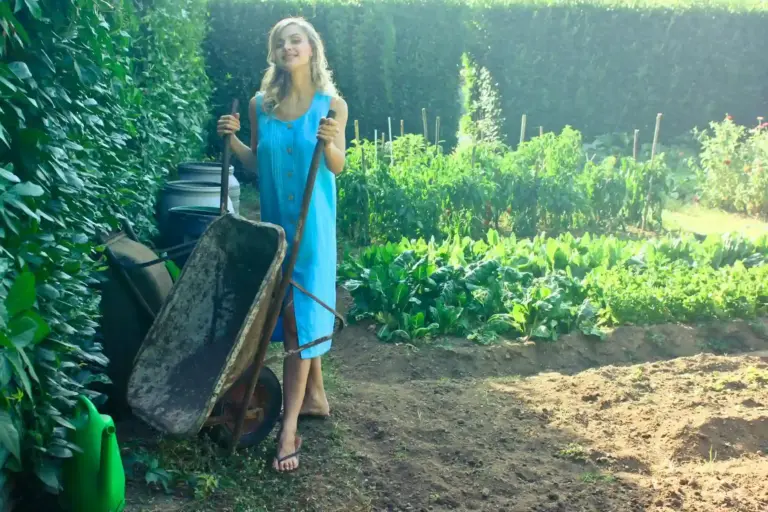
For an entire growing season, my backyard garden had one purpose: helping people who needed it most. I spent months planting, watering, protecting, and harvesting vegetables that I planned to donate to a local shelter in my community. The garden was not just a hobby or a way to save money on groceries.
Every tomato, pepper, cucumber, and bundle of herbs represented time and effort that would eventually become meals for families facing difficult situations. I never expected that the biggest challenge would not come from weather, insects, or poor soil, but from what happened next door while I was away at work.
A Garden Built Around Giving Back
The idea started during a conversation with a volunteer at a nearby community shelter.
She mentioned that fresh produce was one of the hardest donations to receive because most organizations relied on canned goods and packaged food. Many families wanted healthier options, but fresh vegetables were often expensive and difficult to collect consistently.
After hearing that, I decided my backyard garden could help fill part of that gap.
Planning the Season Before Planting
During the winter, I carefully planned what I wanted to grow.
I created a layout with rows of tomatoes, peppers, lettuce, beans, carrots, and squash. I calculated planting times so different vegetables would mature throughout the season instead of all at once.
My goal was simple: harvest regularly and deliver fresh produce whenever the shelter needed it.
The Garden Begins to Thrive
By early summer, the garden had become something I was proud of.
The plants were healthy, the rows were organized, and every morning before work I checked for pests, watered the beds, and adjusted supports for climbing plants.
Neighbors walking by often commented on how impressive it looked.
I enjoyed explaining that most of the food would not even stay at my house.
The Kids Next Door Start Playing Outside
My next door neighbors had two young children who loved being outdoors.
I never had a problem with them playing in their own yard. In fact, I enjoyed seeing kids spend time outside instead of sitting indoors with screens.
The children often kicked a soccer ball around their property, and I assumed their parents made sure they stayed within their own space.
That assumption would soon change.
The First Signs of Damage
One evening after work, I walked into my garden and immediately noticed something was wrong.
Several rows of lettuce had been flattened. Small plants were bent over, and sections of mulch were scattered across the paths.
At first, I thought a storm or animal had caused the damage.
Then I noticed clear footprints running between the rows.
Discovering What Had Happened
The next morning, I inspected the garden more carefully.
I found a soccer ball resting near the back fence. Several plants had been crushed in a straight line, almost like someone had been running through the garden repeatedly.
That was when I realized the damage was not accidental weather damage.
Someone had been using my garden as a playing field.
Watching From the Window
Because I wanted to understand what was happening before confronting anyone, I paid attention during the next few afternoons.
From my home office window, I saw the neighbor’s children climb through a gap near the fence and run directly into my garden.
They were kicking the soccer ball between the vegetable rows.
They were not trying to destroy anything, but they clearly did not understand the damage they were causing.
A Conversation With the Parents
That evening, I walked over and spoke with their parents.
I kept the conversation calm.
“I noticed the kids have been playing in my garden while I’m at work,” I explained. “A lot of the plants are getting damaged.”
The children’s mother looked surprised.
“They were in your garden?”
I nodded and showed her the flattened rows.
The Unexpected Response
Instead of apologizing immediately, she looked confused.
“They told me they were just playing near the fence,” she said.
I explained that I had seen them entering the garden area and that the damage was not minor. Several weeks of growth had been affected.
She promised to talk with them.
I hoped the issue was resolved.
The Problem Happens Again
For several days, everything seemed fine.
Then I came home one afternoon and found another section of the garden damaged. This time, several tomato plants had broken stems, and a row of young pepper plants had been crushed.
I was frustrated because I had already addressed the issue.
The garden was reaching the point where every damaged plant affected the amount of food I could donate.
Installing a Temporary Barrier
Rather than continue arguing, I decided to protect the garden physically.
I added a stronger temporary barrier around the vegetable rows and closed the opening near the fence.
I also placed a small sign explaining that the garden was being grown for food donations.
I hoped the message would help the children understand why the area mattered.
The Neighbor Finally Understands
A few days later, the children’s father approached me.
He apologized and admitted he had not realized how much work went into the garden.
“I thought they were just running through some plants,” he said.
I explained that those plants represented months of planning and that some vegetables would have gone to families who depended on community support.
His attitude changed immediately.
The Children Come Over
The following weekend, the two children came with their parents.
They apologized themselves.
The younger child looked at the damaged plants and said, “I didn’t know they were for people who needed food.”
I appreciated that they understood after seeing the consequences.
They even offered to help repair the damage.
Turning the Situation Around
Instead of keeping them away completely, I gave them a small gardening task.
They helped spread mulch, remove weeds, and plant a few replacement seedlings.
It became a lesson about responsibility rather than just punishment.
The children started asking questions about how vegetables grew.
The Shelter Still Receives Donations
Although the garden lost some plants, it recovered.
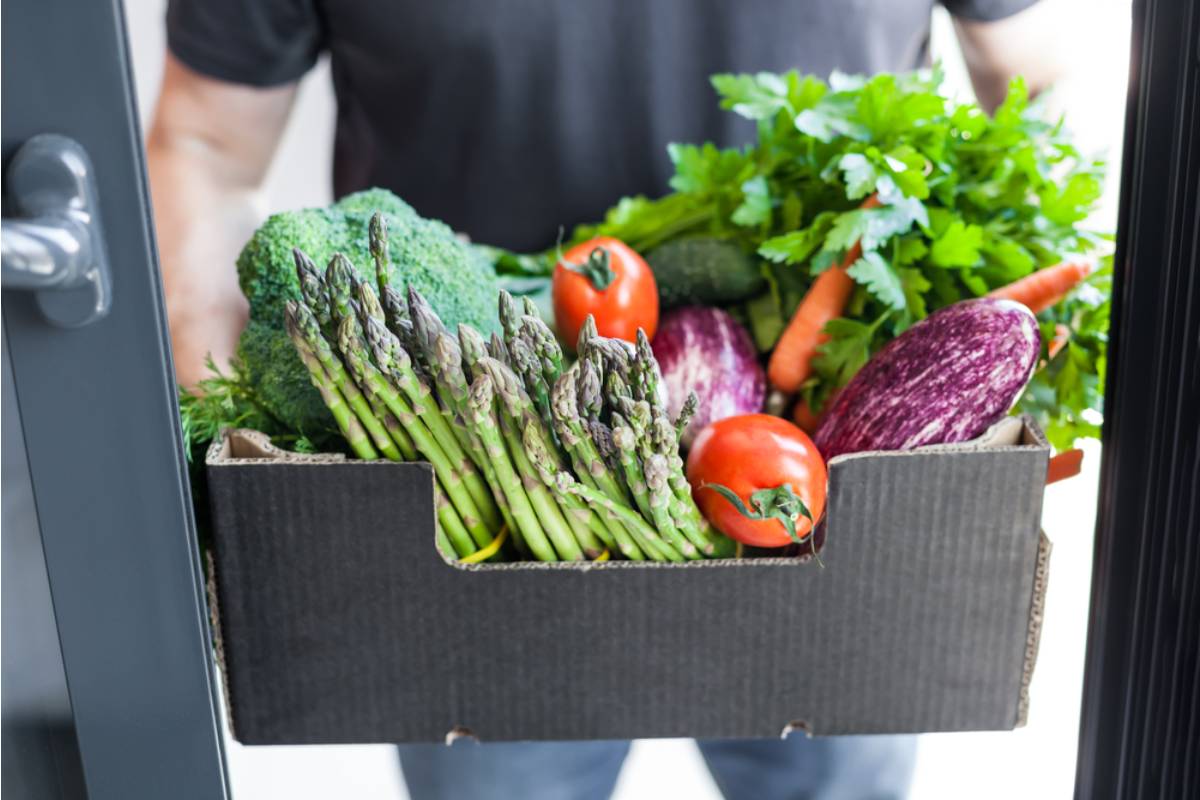
The remaining vegetables grew well enough that I was still able to deliver several boxes of fresh produce to the shelter.
The shelter coordinator thanked me and said every contribution mattered, even if it was smaller than planned.
That reminded me why I started the garden in the first place.
A New Relationship With the Neighbors
After the incident, my relationship with the neighbors actually improved.
They became more respectful of the garden boundaries, and their children occasionally helped with simple gardening tasks.
The family even started their own small vegetable patch in their backyard.
The same kids who once damaged my garden became interested in growing food themselves.
The Lesson Hidden in the Garden
Looking back, I could have handled the situation differently by immediately becoming angry. The damage was frustrating, especially because the garden had a purpose beyond my own enjoyment.
But the experience showed me that sometimes people do not understand the value of something until they see the effort behind it.
The garden was never just about vegetables. It was about helping others, teaching younger people, and building connections in the neighborhood. What started as a problem ended up creating an unexpected opportunity to share the very message the garden represented from the beginning.