Homeowner Says Her Neighbor Let His Fast-Growing Hedge Invade Her Family’s Yard, Then Reported Them for the Mess It Created
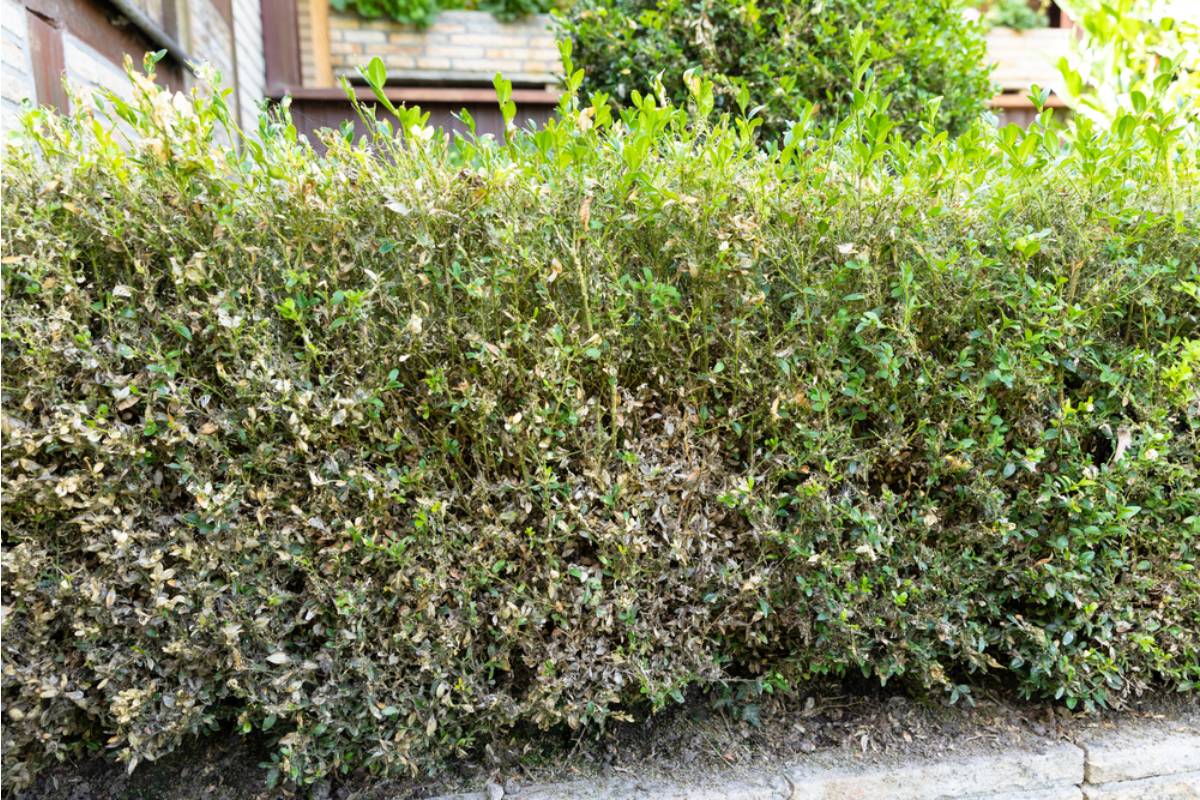
A person shared his story after returning home from college and discovering that the yard looked dramatically different from the one he remembered. Along the property line, the neighbor had a thick hedge made mostly of hibiscus with mulberry plants mixed throughout it. Over time, the vegetation had pushed aside the bricks marking the boundary and gradually crept into the family’s side of the property.
The neighbor had apparently decided to remove the hedge the previous year, but the job was done in a surprisingly careless way. Instead of properly dealing with the plants and their roots, the vegetation was simply cut down and left to deal with itself. For a while, it seemed like the problem had disappeared, but that turned out to be the calm before the botanical storm.
The Hedge Came Back With Reinforcements
Within only a few months, the plants had returned with a vengeance. Hibiscus and mulberry growth had spread across the family’s side of the yard, and an unwanted tree of heaven had joined the invasion. What had once been a manageable strip near the property line had become a tangled mass of woody plants.
The timing made the situation especially frustrating because the family already had plenty on its plate. The person’s father was older and dealing with heart problems, while his mother was blind, leaving the returning college student to confront the mess. Suddenly, clearing a jungle of aggressive vegetation had become an urgent household responsibility.
The Family’s Old Berries Were the First Casualty
The overgrowth did more than make the yard look messy. The neighbor’s plants had crowded out the family’s berry plants, which had been growing there for as long as the person could remember. For him, losing those berries wasn’t just another gardening inconvenience because they represented something familiar from every previous summer.
This particular summer was the first time he had to look at the yard without them. That small loss made the situation feel much more personal than a disagreement over landscaping normally would. The family wasn’t simply dealing with weeds that looked ugly, but with vegetation that had swallowed something they had enjoyed for years.
Then the Neighbor Called the Authorities
The real twist came when the neighbor reported the family for violating a city rule concerning overgrown vegetation. The family was suddenly facing the possibility of fines because of plants that the person believed had originated from the neighbor’s own hedge. They were given only a few more days to get the area under control.
That made the situation feel almost absurd to the person who had just come home. The neighbor had allowed his hedge to spread, the vegetation had crossed into the family’s yard, and now the family was the one being threatened with penalties. What had started as a landscaping problem had somehow transformed into a race against a city deadline.
The Neighbor Had Never Been Quiet About the Yard
According to the story, the neighbor had a particular obsession with keeping his own lawn perfectly maintained. He regularly hired people to mow it and had apparently made snide remarks about the family’s yard on more than one occasion. His lawn was treated like a carefully maintained carpet, while the family actually used their outdoor space rather than constantly trying to make every blade of grass identical.
That difference in priorities had apparently created tension long before the plants became a problem. The person didn’t describe the family as having an abandoned or completely neglected property. Instead, he felt the neighbor had always been looking for an opportunity to criticize how they maintained their yard.
A Few Months Made a Huge Difference
One response from a person suggested that the family should simply accept responsibility because the plants had obviously been growing for more than a single day. The person pushing back against that argument explained that the vegetation had exploded during the spring and summer rather than slowly taking over over many years. He also pointed out that aggressive woody plants can become surprisingly large in a short period.
His own experience working in prairie maintenance gave him a particular perspective on the problem. He had seen mulberries that appeared to grow from tiny plants into trees several feet tall between seasons. From his point of view, the issue wasn’t that the family had deliberately ignored a giant jungle for years, but that the plants had become a serious problem faster than expected.
The Property Line Was Already Being Pushed
The shifted bricks added another layer to the dispute. They had originally marked where one property ended and the other began, but the growing hedge had gradually pushed them out of position. Without a fence between the properties, there was little physical separation to stop the vegetation from crossing over.
The lack of a fence had apparently been an ongoing issue for the family. The neighbor had a fence elsewhere on his property, but the hedge sat in a location where it effectively occupied the boundary area. The family had considered getting a fence of its own, but the quoted price for the project was far beyond what they were comfortable paying.
The Tree of Heaven Became the Villain
Among all the unwanted plants, the tree of heaven became the most alarming character in the story. Several responses from people warned that this particular tree can be extremely difficult to control because cutting it incorrectly may encourage additional growth. The person sharing the story already knew exactly how troublesome it could be.
That was because he worked in invasive plant removal and native habitat maintenance. He had personally dealt with hundreds of tree-of-heaven plants before and admitted that he hated them with his entire being. The irony was almost too perfect: the person best equipped to recognize the botanical disaster had returned home to find one growing in his family’s yard.
Everyone Suddenly Had a Revenge Idea
Once the story was shared, responses from people quickly became much more mischievous than practical. Suggestions ranged from scattering catnip and mint to imagining bamboo, morning glories, thistles and other aggressive plants mysteriously appearing in the neighbor’s yard. The suggestions were clearly fueled by the sheer absurdity of the situation.
One response from a person even joked about plants that would be especially annoying for someone who obsessively maintained a lawn. Another suggested throwing something down that would attract birds and create additional weeds. The ideas became increasingly elaborate, but there was one important problem: the person sharing the story wasn’t actually interested in starting another yard war.
He Refused to Take the Bait
The person admitted that the revenge suggestions were funny, especially because so many responses immediately went in that direction. However, he made it clear that he wasn’t planning to scatter anything into the neighbor’s yard. He would rather be annoyed privately than create another problem that could eventually come back on his family.
That decision mattered because the original problem was already complicated enough. If he deliberately introduced invasive plants onto the neighbor’s property, the argument could easily turn into a battle where both sides looked responsible. Instead, he wanted the existing situation documented and resolved without giving the neighbor another reason to complain.
One Practical Response Changed the Mood
Among the jokes, some responses offered more useful ideas. One person suggested photographing the property line, the displaced bricks, the stumps and the new growth before clearing anything. Another recommended contacting city officials and explaining that the vegetation appeared to have originated from the neighboring property.
That advice gave the family something more productive to work with than simply being angry. If officials had records showing only an overgrown yard, the family could potentially provide evidence showing how the problem developed. Suddenly, the story wasn’t only about clearing plants before a deadline but also about establishing how those plants got there in the first place.
The Missing Fence Was the Bigger Problem
The family had never installed a fence partly because the cost was unreasonable, and that decision had now become particularly frustrating. A physical barrier might have prevented some of the vegetation from spreading so freely across the property line. Instead, the hedge effectively became the boundary, even though it was supposed to have been removed.
The person explained that the neighbor had originally said the bushes would be removed, apparently because they were interfering with the fencing arrangement. Yet the promised solution never fully materialized. The family was left with the same hedge problem, only now it had become much larger and considerably harder to ignore.
Some People Blamed the Family Anyway
Not every response sympathized with the homeowner. One person argued that plants didn’t simply appear overnight and suggested that the family should have dealt with the growth earlier. From that perspective, the neighbor might have been unpleasant, but the family still had a responsibility to maintain the portion of the yard they controlled.
The person sharing the story understood the basic point but strongly disagreed with the conclusion. He acknowledged that his father had known about the growth for several months, but explained that there had been other priorities competing for attention. What bothered him most was that the neighbor knew about the family’s circumstances and still chose to report the problem rather than help resolve the vegetation he believed had caused it.
The Petty Solutions Were Almost Too Tempting
Other responses returned to the idea of using plants as a form of revenge. Mint, catnip, clover, morning glories and even bamboo were suggested with varying levels of seriousness. Some people warned against the more aggressive choices because those plants could easily spread back into the family’s own yard.
That warning was particularly relevant because the family was already dealing with unwanted vegetation. Starting another invasive-plant problem would have been like solving a kitchen fire by setting the living room on fire. The person sharing the story seemed to recognize that satisfying revenge would probably create an even bigger headache.
The Family Had to Clear the Yard Anyway
With the deadline approaching, the immediate priority was obvious: the overgrowth had to come out. The family couldn’t simply leave the plants in place and argue about who was responsible while city fines remained possible. Whatever happened afterward, the vegetation had become their problem in practical terms.
The person was especially frustrated that he had returned from college expecting to spend time at home and instead found himself dealing with an unexpected landscaping emergency. His parents already had enough challenges without having to worry about a city fine. The neighbor’s complaint had turned a familiar family yard into a cleanup project almost overnight.
The Twist Was Who Created the Problem
The strangest part of the story was that the neighbor’s complaint may have made the original conflict even more obvious. If the hedge had never been allowed to spread across the boundary, the family would not have been dealing with the same volume of vegetation. Now the person was left wondering why the neighbor treated the result as entirely someone else’s responsibility.
The situation also exposed how quickly a simple landscaping disagreement can become personal. A hedge became a boundary dispute, the boundary dispute became a city complaint, and the city complaint turned into a race to protect the family from fines. In the middle of it all was a patch of missing berries, a hated tree of heaven and one homeowner who apparently just wanted his parents’ yard back.
In the End, Revenge Wasn’t Worth It
Despite the flood of mischievous suggestions, the person chose not to retaliate. He planned to remove the vegetation from his own side and deal with the situation through practical channels instead of deliberately planting another problem. That choice may have been less satisfying in the short term, but it kept the family’s position much stronger.
The final irony was that the neighbor seemed determined to have the most perfectly maintained lawn on the block, yet his own plants had created the mess next door. Meanwhile, the family that preferred a more lived-in yard was suddenly the one scrambling to satisfy the rules. What began as a rant about ugly plants ultimately became a story about boundaries, responsibility and how one person’s obsession with a perfect lawn can spill directly into someone else’s life.