Some Backyard Gardeners Are Building Simple Cold Frames From Old Windows, And They Are Extending Their Growing Season by Months Without Spending Much at All
She used to feel like every growing season ended just when things were getting interesting. Tomatoes would start ripening, herbs would peak, and then the first cold snap would wipe everything out overnight. Her backyard in a suburban Midwest neighborhood never seemed to hold warmth long enough to stretch the season. Each year felt like a restart instead of a continuation. That frustration made her start looking for ways to keep things going just a little longer.
The idea that came from a neighbor’s garage
One afternoon, she noticed her neighbor dragging an old wooden window frame toward his backyard. It was cracked in one corner but still held glass and hinges that worked fine. When she asked what he was doing with it, he said he was turning it into a cold frame for his garden beds. He explained it like it was obvious, as if everyone already knew this trick. She had never heard of it before, but the idea stuck with her immediately.
Turning discarded windows into something useful
She started collecting old windows from garage sales and curbside piles around the neighborhood. Most people saw junk, but she saw small structures that could trap warmth over her raised beds. The first one she built was uneven, with slightly misaligned edges and a lid that did not close perfectly. Still, it trapped more heat than she expected when she tested it on a cool morning. That small success pushed her to build more.
The first time she extended growth into colder weeks
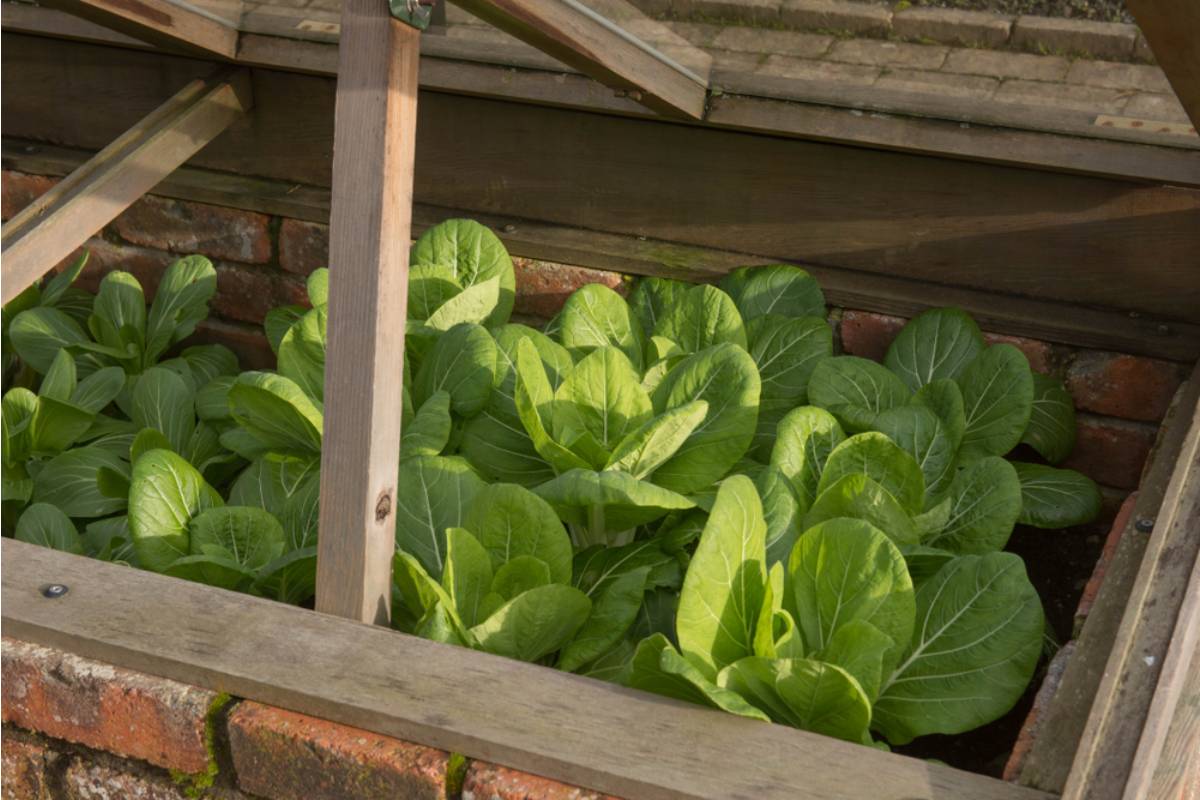
As fall approached, she placed the cold frame over a bed of leafy greens that would normally have died back. Instead of withering, the plants kept growing slowly but steadily under the glass cover. The soil stayed warmer than the open garden next to it. She checked it daily, half expecting it to fail, but it kept working. That was the first time she realized she might be able to change her growing timeline.
A skeptical conversation with a visiting friend
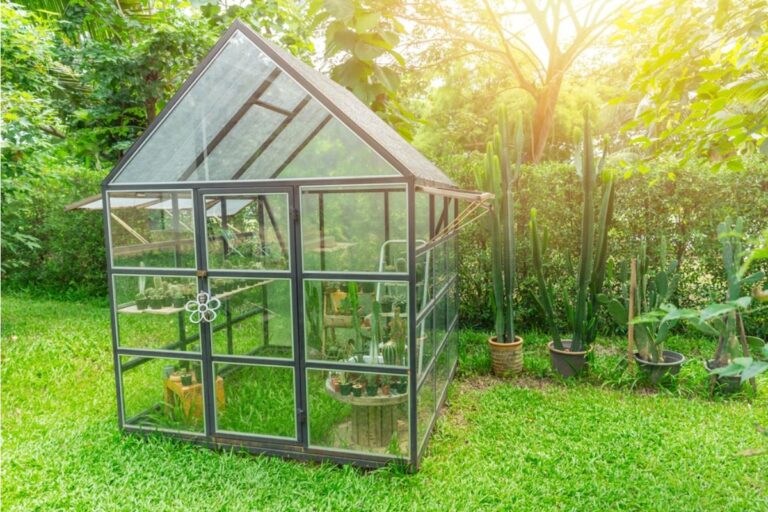
A friend visiting from another state walked through the backyard and immediately questioned the wooden glass boxes. She explained they were cold frames made from recycled windows. The friend laughed and said it looked too simple to make a real difference. To prove it, she lifted one lid and showed the healthy greens still growing inside. The friend’s expression changed from doubt to curiosity in a matter of seconds.
The unexpected problem of overheating
By early spring, she noticed something she had not anticipated. On sunny days, the temperature inside the frames rose quickly and stressed some of the plants. She started learning when to open and prop the lids to regulate airflow. It was not just about trapping warmth but managing it carefully. That adjustment turned out to be just as important as building the frames themselves.
Neighbors starting to copy the idea
One by one, nearby gardeners began asking about the wooden boxes in her yard. Some had seen the difference in her early harvests and wanted to try it themselves. Old windows began disappearing from curb piles faster than before. Soon, similar structures started appearing in other backyards along the street. The idea had quietly spread without any formal explanation or instruction.
A small disagreement over yard appearance
Not everyone appreciated the change in neighborhood aesthetics. One neighbor mentioned that the glass frames made some yards look “cluttered” compared to uniform lawns. She explained they were temporary structures used for food production, not decoration. The conversation ended politely but with clear disagreement. It was the first time she realized practicality and appearance did not always align for everyone.
The winter harvest that changed expectations
When winter came, she expected everything to go dormant like usual. Instead, she found small but steady growth continuing under the cold frames. Spinach and kale survived far longer than in previous years. She harvested fresh greens weeks after she normally would have shut everything down. It felt like the garden had quietly stretched time on its own.
Learning what materials actually mattered
After a few seasons, she realized not all old windows worked equally well. Some sealed too tightly and caused moisture buildup, while others let in too much cold air. She began sorting frames based on thickness, seal quality, and sunlight direction. It turned into a small system of matching materials to garden needs. Each improvement made the setup more reliable than before.
A local gardening group takes interest
Eventually, a local gardening club invited her to show how she built the cold frames. She demonstrated how she placed them over raised beds and adjusted airflow depending on temperature. Some members took notes, while others asked where she sourced materials so cheaply. She explained that most of it came from discarded household items. The simplicity surprised many who expected expensive equipment.
The season that never fully ended
After several years, her growing season no longer felt like a fixed period. It stretched forward in the fall and started earlier in spring without major gaps. The cold frames became a normal part of the backyard instead of a special project. She still collected old windows whenever she saw them, always thinking about future beds. What began as a simple experiment had quietly reshaped how her garden worked year round.