Homeowner Says His Neighbor Has Been Quietly Photographing His Garden for a Home Design Portfolio, Then Used the Images to Advertise Her Own Landscaping Business
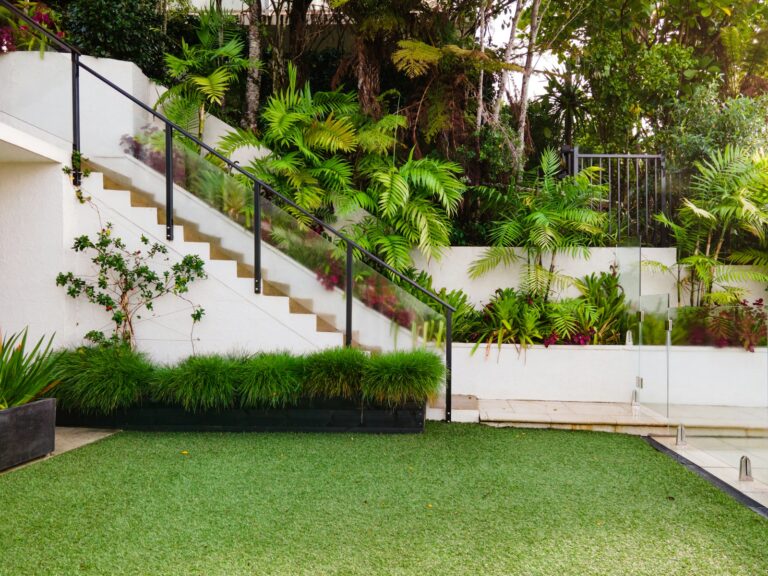
My backyard was never meant to become famous. I built it slowly over twelve years, adding stone paths, flowering shrubs, native grasses, and small seating areas whenever time and money allowed. Gardening became my favorite way to unwind after long workdays, and the finished space reflected years of trial, error, and patience.
Friends often joked that my yard looked like something from a magazine, but I never imagined those compliments would eventually create a neighborhood conflict. Everything changed when I realized someone had been treating my garden as if it belonged to them.
The Garden Drew Quiet Attention
Every spring, people walking through the neighborhood slowed down to admire the landscaping. Some asked about the flowers, while others wanted advice on choosing plants that attracted butterflies and songbirds. I never minded those conversations because gardening is something I genuinely enjoy discussing.
One neighbor in particular, Melissa, always seemed especially interested. She complimented the stonework, asked detailed questions about plant combinations, and occasionally stood near the sidewalk longer than everyone else.
The Camera Became a Familiar Sight
After a while, I noticed Melissa carrying her phone whenever she walked past my house. At first she asked if she could take a few pictures because she loved the color combinations. I happily agreed, assuming they were for personal inspiration.
As the months passed, the photographs became more frequent. Sometimes she stopped while I was away and snapped pictures from the sidewalk. I still did not think much of it because the garden was visible from a public street.
Small Conversations Started Feeling Different
One afternoon Melissa mentioned she had recently started a landscaping business. She explained that she wanted to help homeowners redesign neglected yards without charging the enormous fees larger companies demanded. I congratulated her and wished her success.
Looking back, I realized she asked unusually specific questions that day. She wanted to know which plants survived drought, who installed my retaining wall, and where I purchased certain decorative stones. I answered politely, believing she was simply learning more about landscaping.
A Friend Made an Unexpected Comment
Several weeks later I met an old coworker for lunch. During our conversation he casually asked when I had started working with Melissa’s landscaping company. I laughed because I assumed he was joking.
Instead, he pulled out his phone and showed me an online advertisement. My smile disappeared immediately. The featured images looked remarkably familiar because they were photographs of my own backyard.
The Portfolio Looked Convincing
When I visited Melissa’s business page, I found dozens of professionally edited photos showing different angles of my garden. Some images even cropped out my patio furniture to make the space appear like a completed client project.
The captions praised the creativity of the designs and described the landscaping as examples of work completed through her company. Anyone viewing the page would naturally assume she had planned and built everything herself.
I Could Not Believe What I Was Reading
The advertisements described the garden as proof of her expertise in landscape design, plant selection, and outdoor living spaces. There was no mention that the yard belonged to someone else or that she had simply photographed it from various locations.
Several comments from potential customers congratulated her on such impressive work. She thanked them warmly and encouraged people to schedule consultations. Watching strangers praise my years of effort as someone else’s achievement left me stunned.
The First Conversation Went Nowhere
I walked next door that evening and calmly asked Melissa about the photographs. At first she seemed surprised that I had discovered the advertisements. Then she insisted she had done nothing wrong because the pictures were taken from public areas.
I explained that the problem was not simply taking photographs. She was presenting my property as if it were her own completed landscaping project. Instead of apologizing, she argued that the photos were only meant to show her design style.
More Than One Garden Was Involved
After talking with several neighbors, I learned something surprising. Melissa had also photographed two other well maintained gardens in the neighborhood. Those homeowners had never seen her website and had no idea their landscaping appeared in promotional materials.
One retired couple recognized their backyard in a social media post after I showed them screenshots. Like me, they had assumed Melissa only admired their flowers. None of us realized she was building an entire portfolio from other people’s properties.
A Customer Asked the Right Question
A week later something unexpected happened. A homeowner who had hired Melissa contacted me after recognizing my address from one of the photos. He happened to drive through the neighborhood while comparing landscaping ideas before beginning his own project.
He politely asked whether Melissa had completed my yard. I explained that every flower bed, stone path, and garden feature had been created long before she started her business. His expression immediately changed from excitement to concern.
Evidence Started Falling Apart
That customer contacted Melissa asking detailed questions about specific features shown in the photographs. He wanted to know how deep the drainage system was beneath the retaining wall and which contractor installed the stone steps.
According to him, her answers became vague and inconsistent. She eventually admitted she had not personally completed those projects but claimed the pictures represented the type of work she hoped to provide. By then, trust had already disappeared.
The Neighborhood Spoke Up
Word spread quickly after several homeowners compared notes. More neighbors checked Melissa’s website and discovered additional pictures taken around the community. Some images even showed recognizable mailboxes and decorative house numbers that had simply been blurred during editing.
People were not angry because she admired beautiful gardens. They were upset because she blurred the line between inspiration and ownership. Years of someone else’s hard work had quietly become the foundation of her business image.
An Honest Meeting Changed the Outcome
Melissa eventually asked if we could meet with several affected homeowners. She admitted she had become overwhelmed while trying to launch her company and believed using neighborhood gardens as examples would help attract her first customers. She insisted she never expected anyone to think she had literally built every landscape.
One neighbor responded gently but firmly. “If people believe you created work you didn’t create, that’s exactly what happened.” Nobody raised their voice because the facts already spoke for themselves.
A Different Portfolio Took Shape
Over the next month Melissa removed every photograph taken from neighboring properties. Instead of relying on images that were not hers, she began documenting smaller projects she actually completed for clients. The new portfolio looked less dramatic, but every picture reflected real work she could confidently discuss.
She also contacted the homeowners who had hired her based on the earlier advertisements and clarified what experience she genuinely had. Although some chose different contractors, others appreciated the honesty and continued working with her.
The Garden Meant Something Different Afterward
Today I still enjoy walking through my backyard each evening, but the experience taught me an important lesson about creative work and personal effort. A beautiful garden may seem like a collection of flowers and stone paths, yet every section represents years of planning, mistakes, and persistence that cannot simply be claimed through a photograph.
Neighbors still stop to admire the landscaping, and I am always happy to answer gardening questions. The only difference now is that when someone asks to take pictures, I politely ask what they plan to use them for. Most people appreciate the question because genuine admiration and honest representation should always grow together, just like the strongest gardens do.