Gardener Says Her Neighbor Kept Treating the Community Beds Like a Free Market, Then One Perfect Tomato Harvest Finally Ended It
A homeowner shared her story about living in a small apartment building with a shared garden tucked behind the property. Every resident had one raised bed, which meant everyone had their own little patch to plant, weed, water, and eventually harvest. For the most part, the arrangement worked because everyone understood where one person’s vegetables ended and another person’s began.
The garden was more than a place to grow food, though, because it had quietly become part of the building’s daily routine. Residents passed each other while watering, compared seedlings, and occasionally exchanged gardening tips over the fence. There was only one problem that kept coming back, and her neighbor Lisa seemed to be at the center of it.
Lisa Always Seemed to Forget Something
According to the homeowner, Lisa had a habit of arriving in the garden without the tools she needed. She would forget a trowel, leave weeds scattered across the path, and somehow always expect someone else to deal with the mess afterward. None of those incidents was dramatic enough on its own to start a feud, so the homeowner kept brushing them aside.
Then there was the carrot incident from the previous year. Lisa had apparently mistaken some of the homeowner’s carrot plants for weeds and pulled up nearly half the crop before realizing her mistake. It was frustrating, but the homeowner decided it was probably an honest gardening error and let the matter go without making a major issue of it.
The Tomatoes Changed Everything
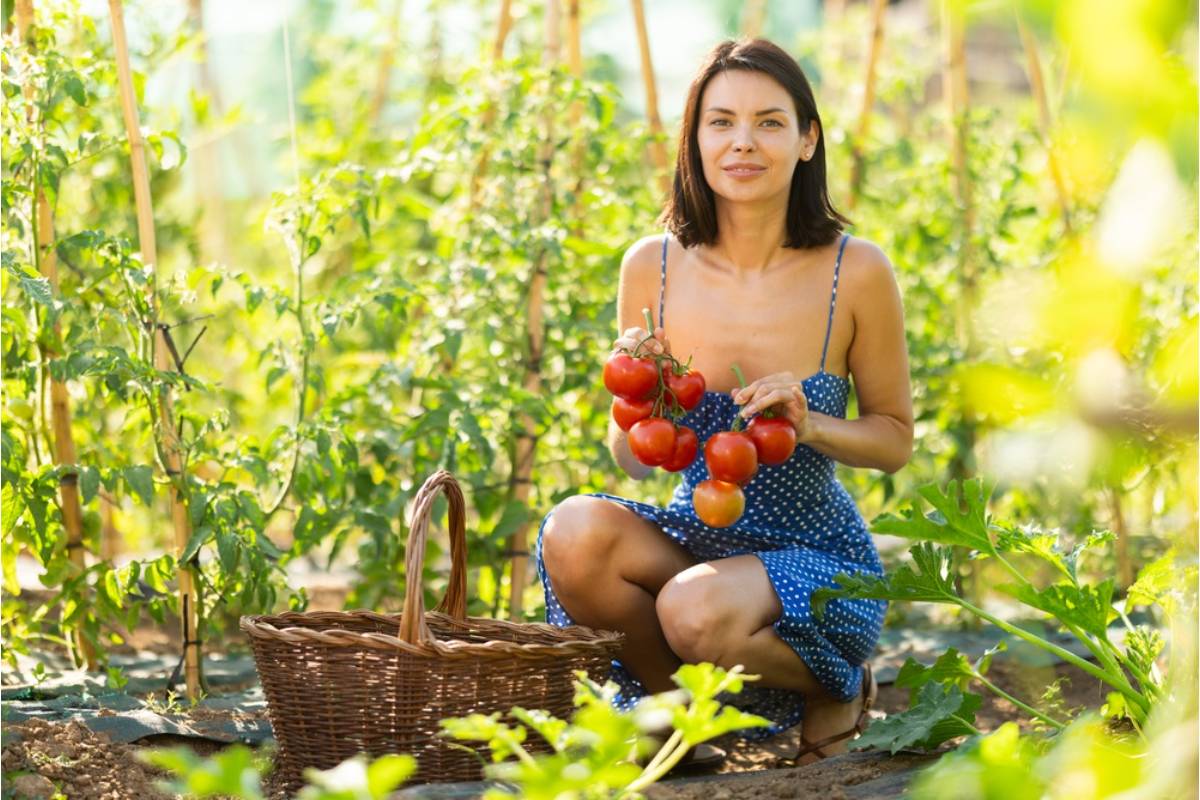
This year, however, the homeowner had finally grown a crop she was genuinely proud of. Her tomato plants had been thriving for months, and the fruit had reached that glorious stage where each tomato looked almost too perfect to pick. She had spent time watering, supporting the vines, watching the weather, and waiting patiently for the right moment.
Then one day she walked into the garden and discovered Lisa standing beside her raised bed with a bowl full of those tomatoes. Lisa was not carrying a few accidental strays either, because she had already picked a whole collection of them. When the homeowner asked what was going on, Lisa smiled and said the tomatoes looked ripe and she thought she was helping before the birds got them.
She Wasn’t Protecting the Tomatoes From Birds
That explanation did not land well. The homeowner pointed out that the tomatoes belonged to her and that Lisa had never asked permission to pick them. What Lisa apparently considered helpful gardening suddenly looked very different from the homeowner’s point of view.
There was also a larger issue hiding underneath the bowl of tomatoes. This was not the first time Lisa had ignored boundaries in the shared garden, and the homeowner had already been tolerating the forgotten tools, discarded weeds, and damaged carrot crop. The tomatoes were simply the moment when all those little frustrations finally came pouring out.
The Argument Was Really About Trust
The homeowner told Lisa that she had no right to take produce from another person’s raised bed. She also told her that repeatedly ignoring the basic rules of the shared space had become a problem, especially after the previous year’s carrot disaster. In the heat of the moment, she said Lisa should stay out of the garden until she could learn to ask permission and clean up after herself.
Lisa was furious about the confrontation and focused heavily on the fact that she had been called out in front of other residents. She argued that the entire situation had been blown out of proportion over a few tomatoes. The homeowner, meanwhile, could not stop thinking about how many months of care had gone into producing those tomatoes in the first place.
The Group Chat Took a Side
The building’s group chat soon became the unexpected courtroom. Residents discussed what had happened, and the homeowner’s proposal to exclude Lisa from the garden gained enough support to stand. Lisa did not continue using the garden after that, but she was reportedly furious about the decision.
That was where the situation became much stranger than the homeowner expected. She had thought the ban was mainly a reaction to the tomato incident and her own anger at the time. Once things cooled down, she began wondering whether she had been too harsh and whether everyone had reacted too strongly.
Even the Criticism Made Her Doubt Herself
One of the homeowner’s closest neighbors actually took Lisa’s side during the disagreement. That made the homeowner question herself even more, especially when she heard the argument that she could have simply warned Lisa and moved on. Suddenly, the tomato harvest that had once made her excited was making her wonder whether she had turned a small gardening dispute into a building-wide problem.
She eventually decided to try something that surprised everyone, including herself. She asked the group whether they could simply forget the whole incident and allow Lisa back into the shared garden. In her mind, reversing the decision would prove that she had been willing to admit when her emotions had gotten the better of her.
Then Came the Most Telling Silence
The vote did not go the way she expected. Nobody supported bringing Lisa back, even though some people had defended her or criticized the original confrontation. Most surprisingly, the neighbor who had taken Lisa’s side earlier did not vote in favor of lifting the exclusion either.
That silence seemed to tell a different story from the one the homeowner had been worrying about. It suggested that people might have sympathized with Lisa’s embarrassment without actually wanting her back around their vegetable beds. The tomato dispute may have been the spark, but the building’s long memory appeared to stretch far beyond one bowl of produce.
The Garden Suddenly Had a Reputation
A response from a person pointed out that Lisa had plenty of easy ways to ask before picking anything. Since the residents already had a group chat, sending a quick message such as, “Your tomatoes look ready, do you want me to pick them?” would have taken seconds. Instead, Lisa had walked into someone else’s bed, harvested the crop, and explained afterward.
That distinction mattered because community gardening depends on an invisible agreement between neighbors. People share paths, water sources, tools, and sometimes even advice, but the produce still has an owner. Once someone starts treating another person’s harvest as communal property, the entire system becomes much harder to trust.
Gardeners Know How Precious a Perfect Tomato Can Be
Several responses from people focused on something gardeners understand immediately. A ripe tomato is not just another vegetable sitting in a garden bed, because it can represent weeks of pruning, feeding, watering, checking for pests, and staring at the forecast. The moment right before harvest can feel like the payoff for all that work.
Some gardeners even shared stories about animals stealing their own crops, which added a hilarious twist to the discussion. People described birds attacking tomatoes, dogs sneaking strawberries, and other pets discovering that a vegetable patch was basically a private buffet. A response from a person joked that losing a tomato to a bird was frustrating enough, so having a neighbor deliberately walk over and pick one could feel even worse.
Sometimes the Real Garden Thief Has Two Legs
The animal stories also highlighted an important difference. Gardeners can laugh when a dog pulls a cucumber from a vine or a bird pecks a strawberry because animals are not exactly negotiating harvest rights. A neighbor, however, knows what a raised bed is and understands that another person’s crops are not automatically available.
That was why several people thought Lisa’s explanation about “helping” did not quite make sense. If she truly believed the tomatoes were in danger from birds, she could have warned the homeowner or sent a message before picking them. Instead, she made the decision herself and only explained it after the bowl was already full.
The Carrots Suddenly Looked Important Again
The previous year’s carrots also took on a different meaning once everyone was looking at the bigger picture. Pulling a plant because you genuinely mistake it for a weed is one thing, but continuing to disregard another gardener’s space after being corrected is another. The homeowner had originally treated the carrot incident as an unfortunate accident and tried not to dwell on it.
Now it felt like another piece of the same puzzle. Forgotten tools, weeds left in the walkway, damaged plants, and unauthorized harvesting were all small events when viewed separately. Put them together, and the homeowner understood why the group might have been much less enthusiastic about Lisa’s return than she expected.
The Neighbor Who Defended Lisa Changed the Story
The most interesting twist was not the tomato bowl, the group chat, or even the garden ban. It was the fact that the neighbor who had defended Lisa earlier still did not support lifting the restriction. That created a strange middle ground where someone could believe the confrontation was too harsh while also believing Lisa should not be given access to everyone else’s crops.
A response from a person suggested that this might happen when someone wants to avoid conflict but also does not want to become the next target of bad behavior. There is no way to know exactly what that neighbor was thinking, but the vote made one thing obvious. Sympathy for Lisa’s feelings was not the same as trusting her around a garden full of vegetables.
The Homeowner Finally Saw What the Tomatoes Had Revealed
By the end, the homeowner was left wondering whether she had actually overreacted. Her anger had certainly played a role in how strongly she confronted Lisa, and she admitted that she had reacted from months of accumulated frustration rather than from the tomatoes alone. Yet the group’s refusal to reverse the decision gave her a reason to reconsider what the incident meant.
The garden had not fallen apart because of a few tomatoes. Instead, one very ripe harvest had exposed a larger problem that had been growing quietly alongside the vegetables. The homeowner may have thought she was protecting tomatoes that afternoon, but she had really been protecting the unwritten rule that made the entire community garden work.
In the End, the Garden Had Its Boundaries
There was no dramatic final confrontation and no secret stash of stolen vegetables discovered behind a shed. Lisa simply stopped using the garden after the group agreed that she should stay out. The homeowner tried to undo the decision, but the rest of the residents quietly made it clear that they wanted the boundary to remain.
And perhaps that was the strangest harvest of all. The tomatoes eventually became just tomatoes, but the lesson from the garden lasted much longer. In a shared growing space, everyone can admire another person’s plants, celebrate a bumper crop, or even offer to help, but the best time to ask before picking is always before your hand reaches for the vine.