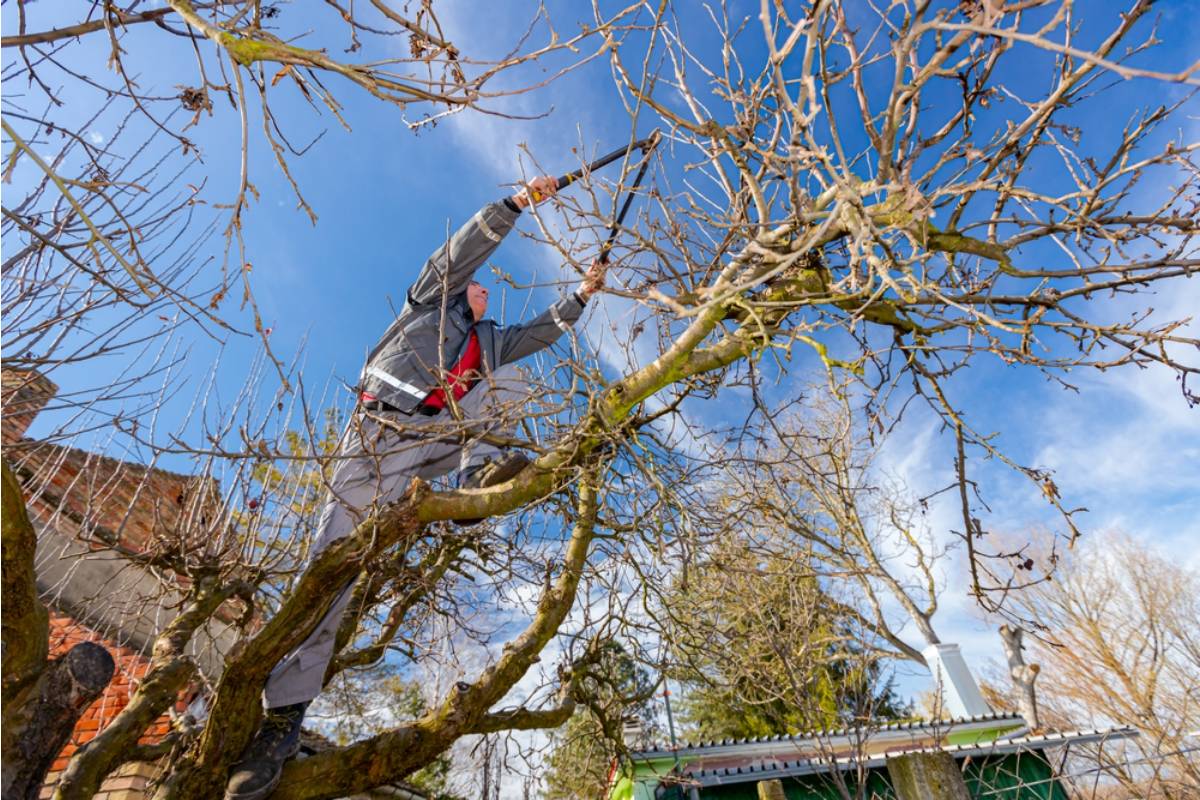
Gardener Says Her Uncle Spent the Weekend “Helping” Prune the Fruit Trees While Visiting, Now None of Them Have Flowered This Spring
When my Uncle Ray called to say he wanted to spend the weekend visiting, I was genuinely excited. He had always loved working outdoors and often talked about the fruit orchard his father maintained decades ago. Since I had planted several young fruit trees over the past eight years, I assumed we would spend the weekend swapping gardening stories and enjoying family time.
Instead, I came home from running errands to discover he had decided to “help” by pruning every single tree in my backyard without asking first. At the time I did not realize how much damage had been done. I only understood the full consequences months later when spring arrived and not a single tree produced flowers.
The Backyard Looked Strangely Different
As soon as I stepped through the back gate, something felt wrong. The apple, peach, cherry, and plum trees all looked unusually thin, almost as though someone had erased half their branches overnight. Fresh piles of limbs covered the grass, and the smell of cut wood filled the air.
Uncle Ray stood proudly beside the shed with a pair of pruning loppers in his hand. He smiled and said, “You don’t have to thank me. Those trees were overdue for a serious trim.” His confidence made me question my own instincts, even though the yard looked nothing like it had that morning.
His Confidence Left No Room for Questions
I asked why he had removed so many branches. He laughed and explained that fruit trees needed to be opened up so sunlight could reach every limb. According to him, he had used the same method years ago on his father’s orchard.
I gently mentioned that modern pruning recommendations had changed over the years. Ray dismissed the idea with a wave of his hand. “Trees haven’t changed,” he replied. “People just overcomplicate gardening now.”
My Gardening Journal Told a Different Story
That evening I opened the notebook where I tracked every tree since planting it. Each page included notes from local extension workshops, seasonal care schedules, and photographs showing how the branches had developed over time. Comparing the pictures to the current trees made my stomach sink.
Entire fruiting limbs that had taken years to establish were simply gone. Several carefully trained branches had been removed even though they were healthy and positioned exactly where they were supposed to grow.
My Neighbor Could Not Hide Her Shock
The next morning my neighbor Susan leaned over the fence after noticing the piles of branches waiting for yard pickup. She had watched my trees mature from tiny saplings and immediately asked what had happened.
When I explained that my uncle had pruned them as a surprise, her expression changed completely. Susan quietly said, “Those trees looked perfect before this weekend.” Hearing someone else confirm my fears made the situation feel painfully real.
Hope Carried Me Through the Winter
Despite my worries, I tried to stay optimistic. Trees can be surprisingly resilient, and I convinced myself they might recover without lasting problems. I continued watering, fertilizing, and protecting them exactly as I always had.
Throughout the winter, healthy buds began forming along several branches. Seeing those buds gave me hope that perhaps the damage was not as serious as I feared.
Spring Arrived With an Uncomfortable Silence
Every year the first sign of spring had always been the blossoms. Pink peach flowers appeared first, followed by white apple blossoms and delicate cherry blooms that covered the backyard in color. Friends often stopped by just to admire the display.
This year nothing happened.
Days passed while neighboring trees throughout the community burst into bloom. Mine remained covered only with leaves. The silence in that garden felt heavier than I ever expected.
A Visit From the County Master Gardener
Susan suggested contacting the county master gardener program for advice. A volunteer named Linda visited my property and spent nearly an hour examining each tree carefully. She asked detailed questions about watering, fertilizing, insects, and winter weather.
Finally she looked at the pruning cuts and nodded sadly. She explained that many fruit trees produce flowers on wood developed during the previous growing season. Removing too much of that growth often means sacrificing the following year’s blossoms.
The Truth Was Hard to Accept
Linda carefully pointed toward several large cuts where entire fruiting branches had once existed. She explained that the trees themselves were still alive, but most of the flower buds had been removed months before they ever had a chance to bloom.
She reassured me the trees could recover with proper care. Still, hearing that I had lost an entire season of fruit because someone acted without permission felt heartbreaking.
The Family Gathering Became Awkward
A few weeks later my family gathered for my cousin’s graduation party. Uncle Ray cheerfully asked whether the fruit trees were loaded with blossoms yet. The conversation around the table became very quiet.
I calmly explained what the master gardener had told me. Ray immediately insisted that modern experts worried too much and claimed something else must have caused the problem. No one argued with him, but several relatives exchanged uncomfortable looks.
An Unexpected Phone Call Changed Everything
Three days after the party, Ray called unexpectedly. He sounded different than usual. One of his longtime friends had heard the story and contacted a retired orchard owner for an opinion. That grower confirmed exactly what the master gardener had explained.
For the first time since the pruning happened, Ray admitted he might have made a serious mistake. His voice carried genuine regret instead of confidence.
Trying to Repair More Than Trees
The following weekend Ray returned, this time without tools. Instead, he carried several gardening books and printed articles about modern fruit tree care. He apologized for assuming that methods from decades earlier still applied to every situation.
We walked through the orchard together while Linda demonstrated how future pruning should be handled. Ray listened carefully and asked questions instead of giving advice. It was the first time he truly treated my garden as my responsibility rather than his project.
New Growth Offered a Small Reason to Hope
As summer progressed, fresh branches began appearing from several trees. The new growth was healthy and vigorous because the root systems remained strong despite the heavy pruning. Linda helped me identify which shoots should be preserved for future fruit production.
Instead of cutting everything back, we carefully selected only the branches needed to shape the trees correctly. Every decision felt deliberate, patient, and respectful of the years still ahead.
The Following Spring Brought an Emotional Surprise
When spring returned the next year, I walked into the backyard expecting slow progress. Instead, I noticed clusters of tiny pink blossoms opening across the peach tree. Soon afterward, white flowers covered the apple and cherry trees as well.
I stood quietly beneath the branches longer than I intended. Those blossoms represented far more than fruit. They proved that patience could restore something that had once seemed permanently damaged.
Ray Found a Different Way to Help
Instead of arriving with pruning tools, Ray began visiting with homemade birdhouses and compost he had prepared at home. Before touching anything in the yard, he always asked whether I wanted assistance. Sometimes I accepted. Other times we simply sat on the patio drinking coffee while watching bees move between the blossoms.
Those quiet visits became far more meaningful than any surprise project. We talked about family, gardening mistakes, and how experience never stops growing if someone remains willing to learn.
The Orchard Taught the Whole Family a Lesson
By late summer the branches held enough fruit to fill baskets once again. Every apple and peach reminded me that living things can recover from difficult setbacks when given time and proper care. The trees had survived, but they also changed the way my family approached helping one another.
Now, whenever someone offers assistance with a project, the first question is always the same. What would you like me to do?” It sounds simple, but that single question protects both relationships and the things people have spent years building. The orchard still flourishes today, not because everyone knows the right answers, but because everyone finally understands that respect should come before good intentions.