A Homeowner Paid More Than $30,000 for a Generac Diesel Generator. After About Four Days of Use in Two Years, Engine Oil Turned Up in the Cooling System.
A backup generator is supposed to be the one machine a household never has to think about. One homeowner spent more than $30,000 on a Generac diesel unit, ran it for only about four days over two years, and then found engine oil where the coolant should be.
The owner, who is a mechanic, says the fix is simple and the parts are sitting on hand. What has dragged on is getting the warranty side approved, The Cool Down reported, drawing on the owner’s own detailed post.
Oil in the Radiator, the Reservoir and the Lines
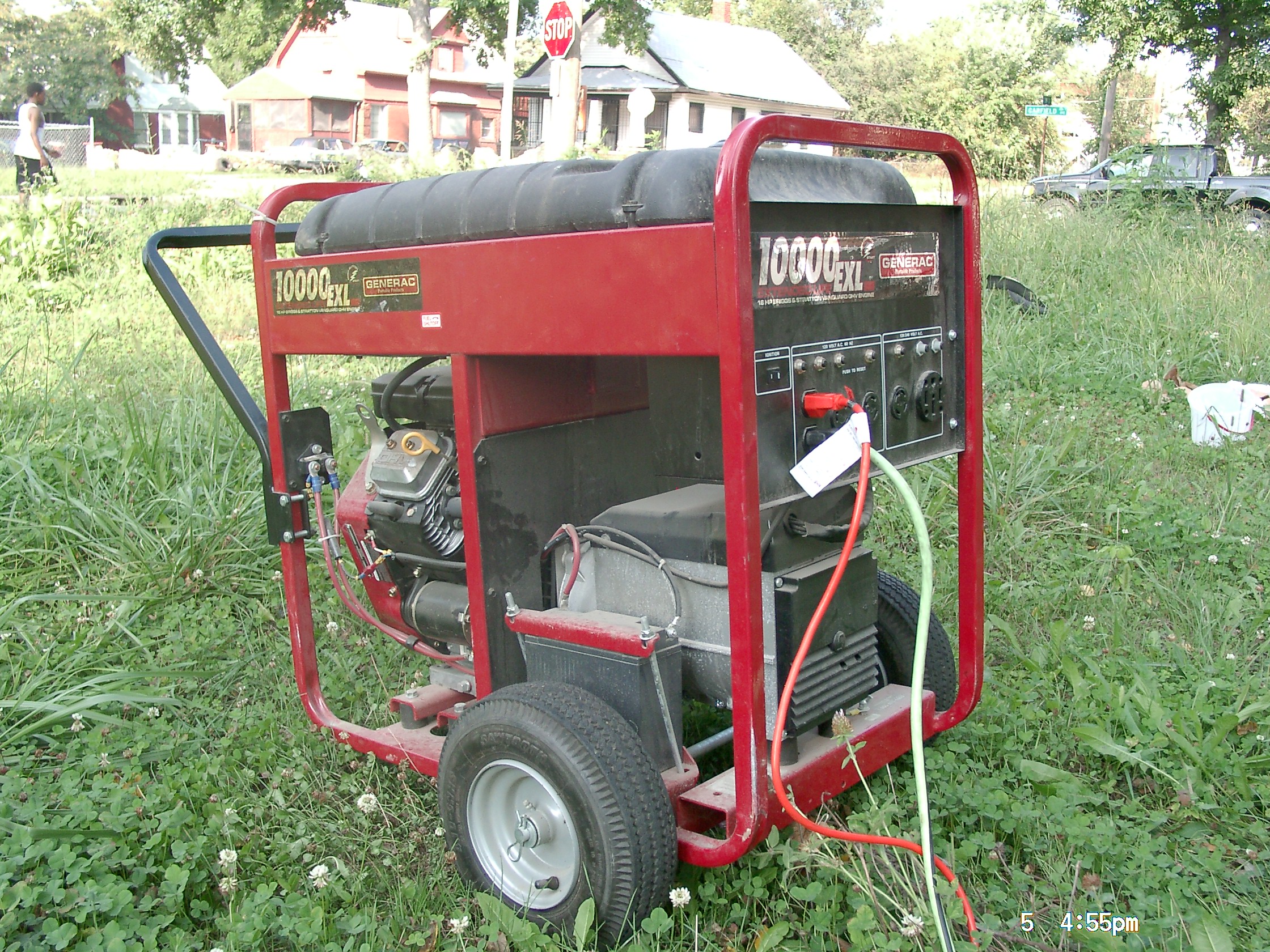
The machine is a 30-kilowatt Generac diesel generator. According to The Cool Down, the owner was getting ready for a routine oil change when he spotted engine oil in the radiator, in the coolant reservoir and in the lines that connect them.
The cause was an internal crack in the oil cooler. That crack let engine oil seep into the cooling system, a problem that can spread damage well beyond the one cracked part.
The owner also said a state representative for the manufacturer had overlooked a coolant reservoir that was three-quarters full of engine oil.
What the Five-Year Warranty Covers, and What It Doesn’t
The generator came with a five-year warranty. But the owner said it covered only the broken component itself, not the other parts damaged when that component failed. After two years, labor, travel and fluids were excluded too.
There was another catch. To keep the rest of the warranty in force, the repair had to be done by an authorized service department. So even with the parts on hand for two months, he was waiting on approval.
The owner wrote that he had been holding the parts for two months and could have had the generator back up and running in an afternoon.
It was not the first time, either. An earlier warranty issue, a minor oil leak and a bad battery, took four months to resolve, according to The Cool Down. The owner also asked why the manufacturer had never warned owners through a service bulletin, a letter or an email.
A Dealer Problem or a Company Problem?
People who read the post split on who was to blame. One commenter blamed the dealer rather than the manufacturer and said dealers can get affected parts covered with a control number and approval from technical support. That commenter suggested calling the manufacturer’s customer resolution line and asking for a case number, while noting that oil and coolant are generally still excluded.
A prospective buyer reading along summed it up differently: “Seems to be a company issue — not a product issue.”
The Federal Trade Commission’s guide to warranties backs up the owner’s caution. It warns that “A warranty won’t necessarily cover all situations or repairs,” tells buyers to check what is excluded, and says that if something isn’t listed, buyers should assume it isn’t covered. If a company won’t fix a problem, the FTC says to report it at ReportFraud.ftc.gov and to the state attorney general.
Generators Matter Most When the Power Is Out
The timing of stories like this matters. This week’s Thanksgiving snowstorm around St. Louis left 125,000 customers without power, according to The Weather Channel, and a generator that can’t run is no help in an outage.
Generators also come with real safety rules, whatever their size. The Consumer Product Safety Commission’s winter safety release says an average of about 100 people in the U.S. die each year from carbon monoxide poisoning from portable generators, and says portable units belong outside, “at least 20 feet away from the house.”
The Centers for Disease Control and Prevention says more than 400 Americans die from unintentional CO poisoning not linked to fires each year. University of Missouri Extension emergency management specialist Eric Evans put it bluntly in an MU Extension outage guide, calling a generator run in an enclosed space “a very dangerous thing to do.”
Generator trouble has come up on this site before, including a recent recall of about 2,960 Cummins Onan dual fuel generators. For this homeowner, the $30,000 machine is still waiting on an approval before an afternoon’s repair can happen.
This article was produced with AI assistance and edited for accuracy against the sources linked above.