Hogs Keep Ripping Up Lawns in Friendswood’s Autumn Lakes, and Every Agency the HOA Called Sent It Somewhere Else
Every morning, Xiaoxi Tan steps outside her Friendswood home to see whether the hogs came back overnight. In the Autumn Lakes neighborhood, lawns have been torn up while families slept, and the homeowners association has spent weeks looking for someone in charge of stopping it.
The HOA called the state, then the city, then game wardens, and kept getting sent somewhere else, ABC13 Houston reported on Nov. 17. It ended up with one option left: paying private trappers.
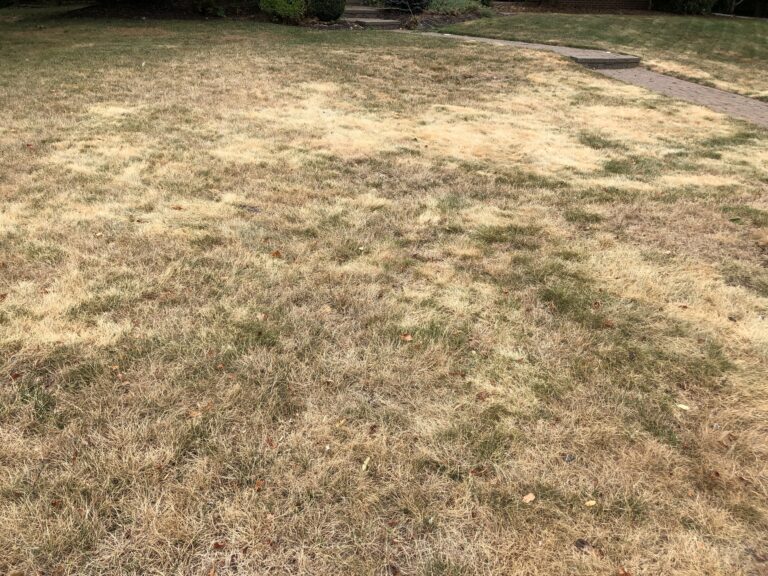
Lawns turned over in a single night
Residents told ABC13 the hogs have been digging nonstop, rooting for roots, bugs and other food. Tan said checking the yard is the first thing she does each day, and she feels relief when no hog has been through.
One neighbor, whose name the station spelled Oaftab Ali, said residents had put down store-bought grub granules and other preventatives and had done everything right. The digging continued anyway.
Kelsie Powell’s yard hasn’t been hit yet, but she told the station she expects it is only a matter of time. She called the animals terrifying because of their size.
A loop of phone calls
According to ABC13, the Autumn Lakes HOA first contacted Texas Parks and Wildlife. The department referred it to local police and animal control. Those agencies said they handle only domestic animals, and the referral looped back to Parks and Wildlife. Texas game wardens also said the problem wasn’t theirs to handle.
Residents said they had reached out to elected officials as well and were told removal was their own responsibility. The station’s report did not include a statement from the city.
The HOA’s conclusion was that hiring private trappers is the only route. Shooting hogs inside city limits isn’t allowed. The association said the animals come from nearby land that residents can’t enter, and it noted that homeowners may set traps on their own property.
Why trapping alone may not keep up
Brock Sanford of the Galveston County extension office told ABC13 that residents can call his office to be connected with local trappers, which he called the best removal method. He also warned that trapping by itself may struggle, because a sow can have four to eight piglets per litter and up to two litters a year.
Texas A&M’s feral hog management guidance says corral traps can catch large numbers of hogs over a stretch of time, and that selective shooting can remove the rest once catches decline. It recommends combining several tools in an integrated plan rather than relying on one, and says long-term management is needed as conditions change.
That second step, shooting, is the one a city neighborhood like Autumn Lakes can’t use, which leaves traps doing most of the work.
A statewide problem with no natural check
The scale is large. The Texas Parks and Wildlife Department estimates there are about 2.6 million wild pigs in Texas out of 6.9 million in the country, based on 2016 figures, and describes them as an exotic invasive species. Moving them from place to place is illegal in Texas.
Texas A&M’s feral hog program says the animals have no native predators in the state to regulate their numbers, and that populations have grown dramatically in recent decades. Where they overlap with people, the program says, the damage runs into the millions of dollars.
Nationally, the USDA’s Animal and Plant Health Inspection Service puts the minimum annual cost of feral swine damage in the United States at $3.4 billion and lists extensive rooting or digging as a telltale sign. APHIS also says state Wildlife Services offices offer technical help.
What Autumn Lakes residents are left with
For now, the neighborhood’s plan is the one the HOA arrived at after all those calls: hire trappers, let homeowners trap on their own lots, and keep reporting damage. Sanford’s office remains the place residents can call for trapper contacts.
Powell, still waiting for her turn, summed up the mood on her street. The hogs haven’t reached her lawn yet. She doesn’t expect that to last.
This article was produced with AI assistance and edited for accuracy against the sources linked above.
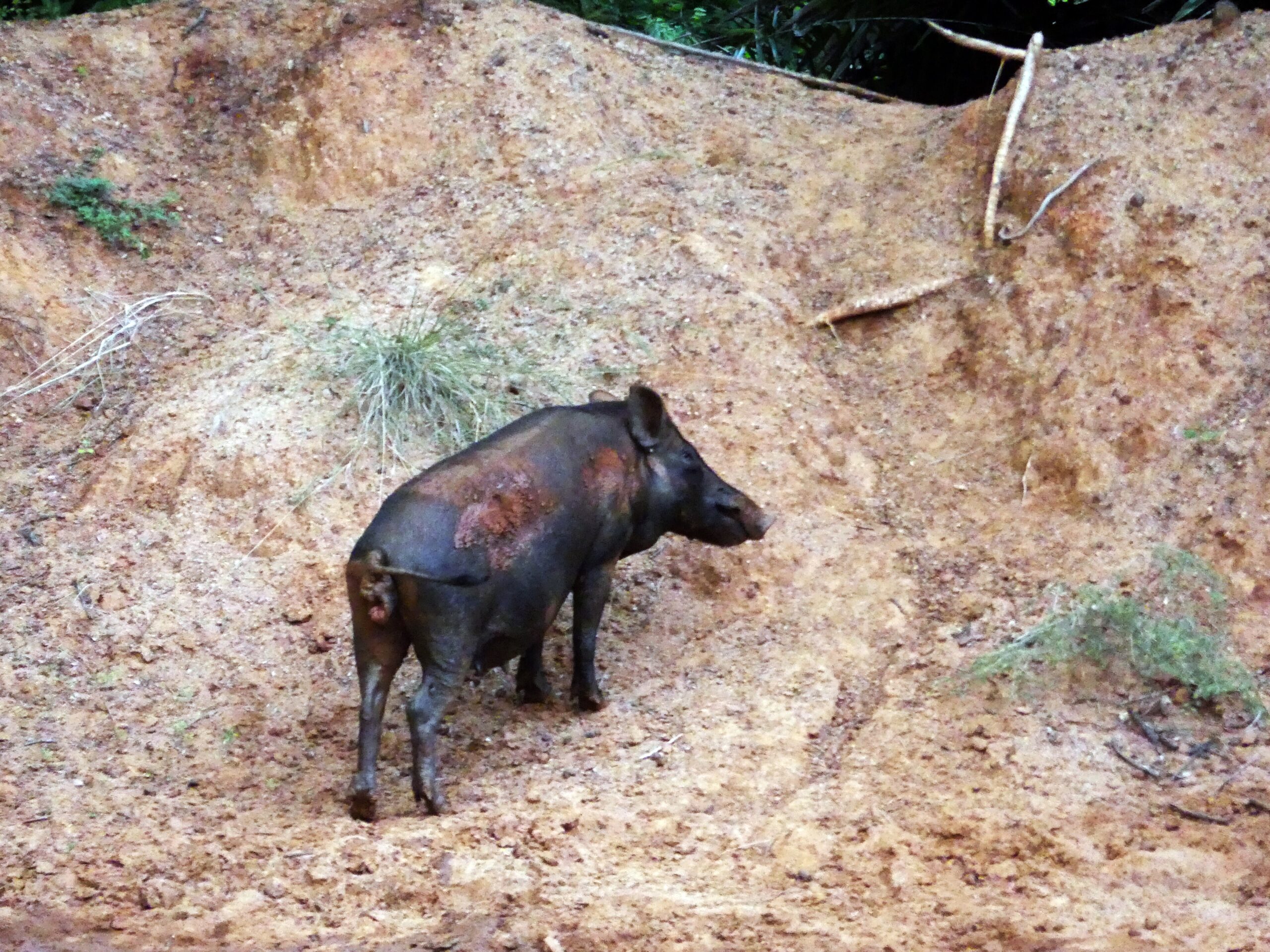
Image: A. J. T. Johnsingh, WWF-India and NCF – CC BY-SA 4.0/Wikimedia Commons