Homeowner Accepted a Neighbor’s Offer to Get His Weedy Front Garden Cleaned for Free, Then Discovered Mistletoe Covering His Tree and Wondered If She Should Pay for the Damage
A person shared his story about a front yard that was far from perfect but hardly resembled a jungle. Living in a desert neighborhood without a homeowners association, he and his spouse had busy lives, jobs, and hobbies that sometimes pushed yard maintenance to the bottom of their to-do list. Their landscaping consisted mostly of decorative rocks, a couple of hedges beneath the windows, and a garden bed featuring a tree. Occasionally, weeds poked through the rocks, but the homeowner never imagined that a few unwanted plants would lead to an expensive neighborhood mystery.
The yard was not overflowing with wild vegetation or swallowing the house whole. It simply needed occasional attention, particularly when life got hectic and the weeds decided to make themselves comfortable. The homeowner admitted that he sometimes fell behind on outdoor chores, although he did maintain the property. Little did he know that his neighbor had already noticed the situation and was about to offer a solution that would eventually leave him with a much bigger gardening concern.
The Neighbor Arrived With an Unexpected Offer
Last fall, the homeowner’s neighbor knocked on his door with a surprisingly generous proposal. She managed rental properties and had a gardening crew that maintained her own yard as part of their ongoing professional relationship. Since the crew was already working for her, she asked whether they could clean up his front yard as well.
The homeowner initially declined, but the neighbor insisted that he accept the help. With the promise of free yard maintenance on the table, he eventually agreed to let the crew get to work. It seemed like a harmless favor that would improve the appearance of his property without costing him a penny, and there was little reason to suspect that this simple arrangement would become a source of tension months later.
The Gardening Crew Got to Work
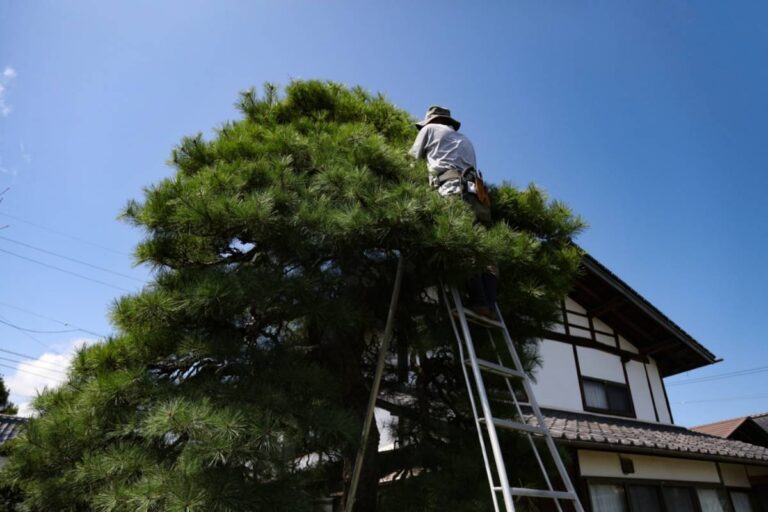
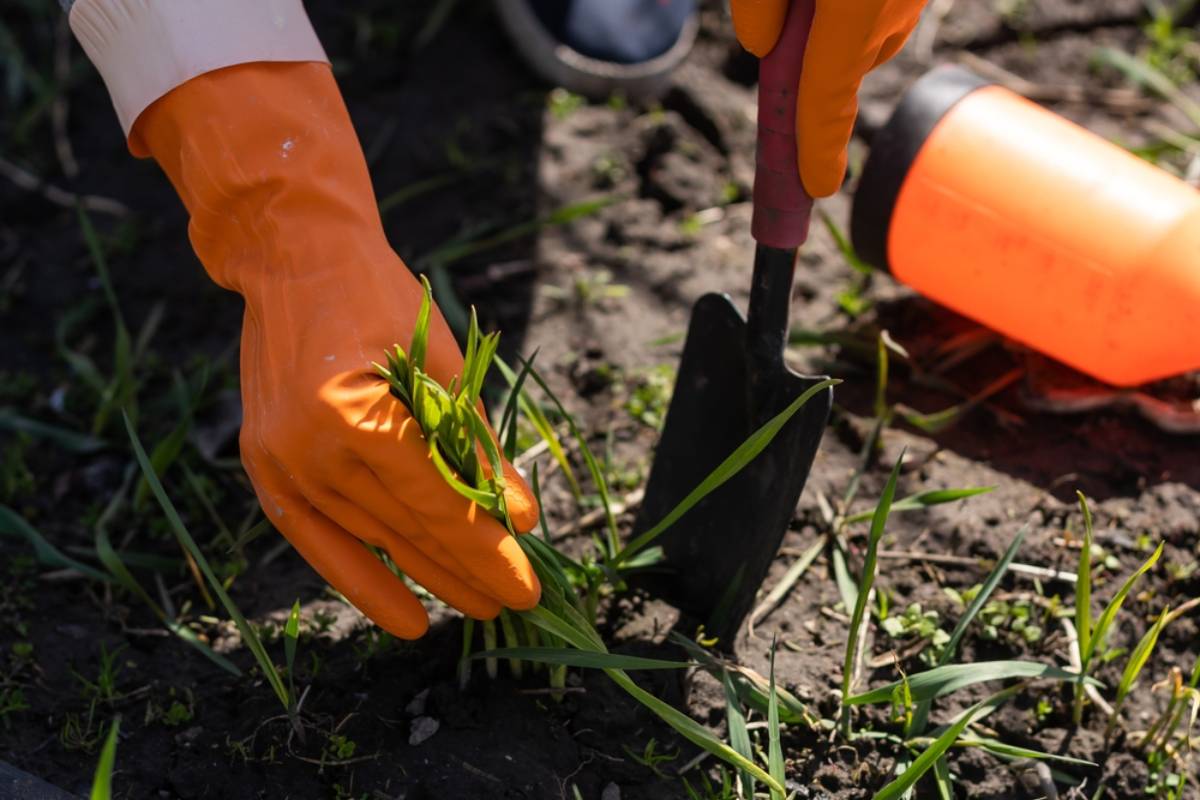
Once the homeowner gave permission, the gardening crew arrived and began tidying up the front yard. They pulled the weeds growing between the decorative rocks and trimmed back the tree in the garden bed. From the homeowner’s perspective, the work seemed reasonable enough, especially since he believed the tree could probably have used a little pruning anyway.
However, his spouse immediately had reservations about the results. They felt that the crew had cut the tree back too aggressively, leaving it looking more severely pruned than necessary. The homeowner disagreed at the time, believing the tree looked fine, but that difference of opinion would soon become much more important as the seasons changed and the tree began displaying some unusual signs.
One Spouse Was Worried While the Other Saw No Problem
The disagreement over the pruning might have seemed like an ordinary difference in gardening preferences. One person wanted to preserve more of the tree’s natural shape, while the other thought the trimming had improved its appearance. Since the homeowner generally handled the yard work, he was comfortable trusting his own judgment and moving on.
Unfortunately, the concern did not disappear simply because the homeowner dismissed it. His spouse had noticed something about the tree that did not sit right with them, and the homeowner later acknowledged that he had brushed off their concerns too quickly. At the time, there was no obvious emergency, so the couple carried on with their lives while the tree continued growing through the warmer months.
Summer Passed Before the Tree Started Looking Strange
As summer progressed, the homeowner began noticing that something about the tree looked different. Instead of seeing only the familiar leaves and branches, he spotted unusual growths that resembled mossy buds scattered across the upper branches. The tree had previously appeared healthy, making the sudden change especially alarming.
The strange growth was no longer something he could comfortably ignore. Remembering the earlier pruning, he began wondering whether the gardening crew might have caused the problem. What had started as a free cleanup now looked potentially expensive, and the homeowner found himself facing an uncomfortable question: had a neighbor’s generous gesture somehow put one of his garden’s most important features at risk?
A Quick Online Search Delivered an Alarming Answer
Wanting to identify the strange growth, the homeowner took a photograph of the tree and used an online image-based search tool to investigate the symptoms. The result suggested that the tree might have a mistletoe infestation. Suddenly, the unusual growths had a name, and the homeowner was worried that the problem could be much more serious than an untidy-looking tree.
He also remembered that his spouse had raised concerns months earlier, back when the pruning first took place. In hindsight, he regretted dismissing those concerns without looking more closely at the tree. Now, with mistletoe apparently spreading across the upper branches, he wondered whether the situation could have been addressed sooner and whether the tree might eventually need professional treatment or even removal.
The Timing Made the Gardening Crew Look Suspicious
The homeowner could not ignore the sequence of events. The tree had looked healthy before the cleanup, the gardening crew had pruned it, and the strange growths became noticeable afterward. From his perspective, the timing made it tempting to connect the two events, even though he did not have direct evidence that the crew had caused the infestation.
He also suspected that gardening tools might have carried the problem from one property to another if they had not been cleaned between jobs. That theory gave him a possible explanation, but it remained an assumption rather than an established cause. The more he thought about the situation, the more he wondered whether the neighbor who arranged the work should share some responsibility for the potential expense.
The Free Yard Cleanup Suddenly Came With a Question Mark
There was one major complication with the homeowner’s theory: the gardening service had been free. His neighbor had arranged the cleanup as a favor, and he had willingly allowed the crew onto his property. He now faced the prospect of asking that same neighbor to contribute toward the cost of diagnosing or treating a tree problem that might have had nothing to do with her offer.
The homeowner was also unsure how much money would be reasonable to request. He had not yet contacted an arborist, so he did not know whether the tree could be treated affordably or whether the damage was extensive. Before approaching his neighbor, he wanted to understand whether asking for half the bill would be fair or whether he would be turning a generous gesture into an unnecessary dispute.
The Possibility of Losing the Tree Raised the Stakes
The problem was no longer just about a few strange growths spoiling the tree’s appearance. The homeowner worried that the infestation might be widespread enough to require substantial treatment, and he even considered the possibility that the tree would have to be removed. In a desert landscape where trees can provide welcome shade and structure, losing an established tree could be a significant blow to the garden.
That possibility also made the financial uncertainty more stressful. Without a professional assessment, he could not tell whether he was dealing with a manageable maintenance problem or a much more serious issue. He wanted to avoid paying for unnecessary work, but he also did not want to leave the tree untreated while the unusual growth continued spreading.
A Response From a Person Challenged His Theory
A response from a person offered an important alternative explanation that complicated the homeowner’s suspicions. Mistletoe commonly spreads when birds eat its berries and deposit the seeds on branches elsewhere, meaning contaminated pruning tools are not necessarily the likely culprit. The unusual growth could therefore have appeared naturally, without any connection to the gardening crew’s visit.
That explanation changed the focus of the discussion from the timing of the infestation to the evidence behind the accusation. Even if the tree began showing symptoms after the cleanup, that alone could not establish that the pruning caused the problem. Without an expert assessment linking the infestation to the work, asking the neighbor to pay could amount to blaming her for an unfortunate coincidence.
Some People Thought the Neighbor Had Already Done Enough
Another response from a person focused on the neighbor’s original intentions. She had offered to help improve the homeowner’s yard, arranged for workers to perform the cleanup, and apparently expected nothing in return. From that perspective, asking her to contribute toward an unconfirmed tree problem could make a kind gesture seem like a mistake.
Others questioned whether the homeowner had maintained his property consistently enough before the offer was made. He had admitted that weeds sometimes went unattended, and some people felt that the neighbor might have intervened because the yard had become more untidy than he realized. They argued that the responsibility for maintaining the tree still rested with its owner, particularly when there was no convincing evidence that the crew had caused the infestation.
The Spouse’s Earlier Warning Became Difficult to Ignore
Perhaps the most uncomfortable part of the story was the homeowner’s realization that his spouse had raised concerns about the pruning long before the infestation became his main worry. At the time, he believed the tree looked fine and did not see a reason to question the gardening crew’s work. Now, he regretted brushing aside an opinion that might have encouraged him to inspect the tree more carefully.
However, the earlier disagreement did not prove that the pruning caused the mistletoe to appear. The tree might already have had an underlying issue, or birds could have introduced the seeds independently of the cleanup. The homeowner was left with two separate questions: whether the tree had been pruned appropriately and whether that work had any connection to the infestation.
The Arborist Became the Most Important Next Step
Rather than immediately asking the neighbor for money, the homeowner planned to contact a qualified arborist to examine the tree. A professional could help identify the growth, assess the tree’s overall condition, and explain what treatment options might be appropriate. That assessment would also provide a more reliable basis for deciding whether the problem was serious enough to justify significant spending.
The homeowner still did not know what the inspection or treatment would cost, and he acknowledged that he had little experience dealing with a problem like this. Getting professional advice could help distinguish a genuine threat to the tree from a problem that looked worse than it actually was. It would also prevent him from making a financial demand based solely on a theory that had not been confirmed.
The Neighbor Might Not Be the Person Responsible
Even if the arborist confirmed that the tree needed treatment, the question of responsibility would remain separate from the question of diagnosis. The neighbor had arranged the gardening service, but the crew performed the work, and the available information did not establish that either party had introduced the mistletoe. If there were credible evidence that improper work had damaged the tree, the homeowner would have a more concrete basis for discussing the matter with the service provider.
Without such evidence, however, asking the neighbor to split the cost could place an unfair burden on someone who had intended to help. The homeowner had approved the work and received the benefit of a cleaner yard without paying for the service. A professional assessment would give him a better starting point than simply assuming that the last people to touch the tree must have caused its current condition.
A Free Gardening Favor Turned Into an Unexpected Lesson
By the end of the story, the homeowner was confronting a lesson that many gardeners learn the hard way: timing alone does not establish the cause of a plant problem. A tree can develop pests, diseases, or other unusual growths after pruning without the pruning necessarily being responsible. Understanding what is happening requires careful observation, accurate identification, and sometimes professional help.
The situation also highlighted the importance of clear communication when neighbors offer to work on one another’s properties. Before future landscaping jobs, the homeowner could discuss exactly what work will be performed, how much pruning is appropriate, and who should be contacted if damage occurs. For now, the sensible first move is to get the tree examined and avoid turning an unproven suspicion into a neighborhood feud before the facts are clear.