Homeowner Finds Tire Tracks Destroying the Edge of His Front Lawn for Weeks, Then Considers Installing a Camera Before Turning His Garden Into a Boulder-Protected Fortress
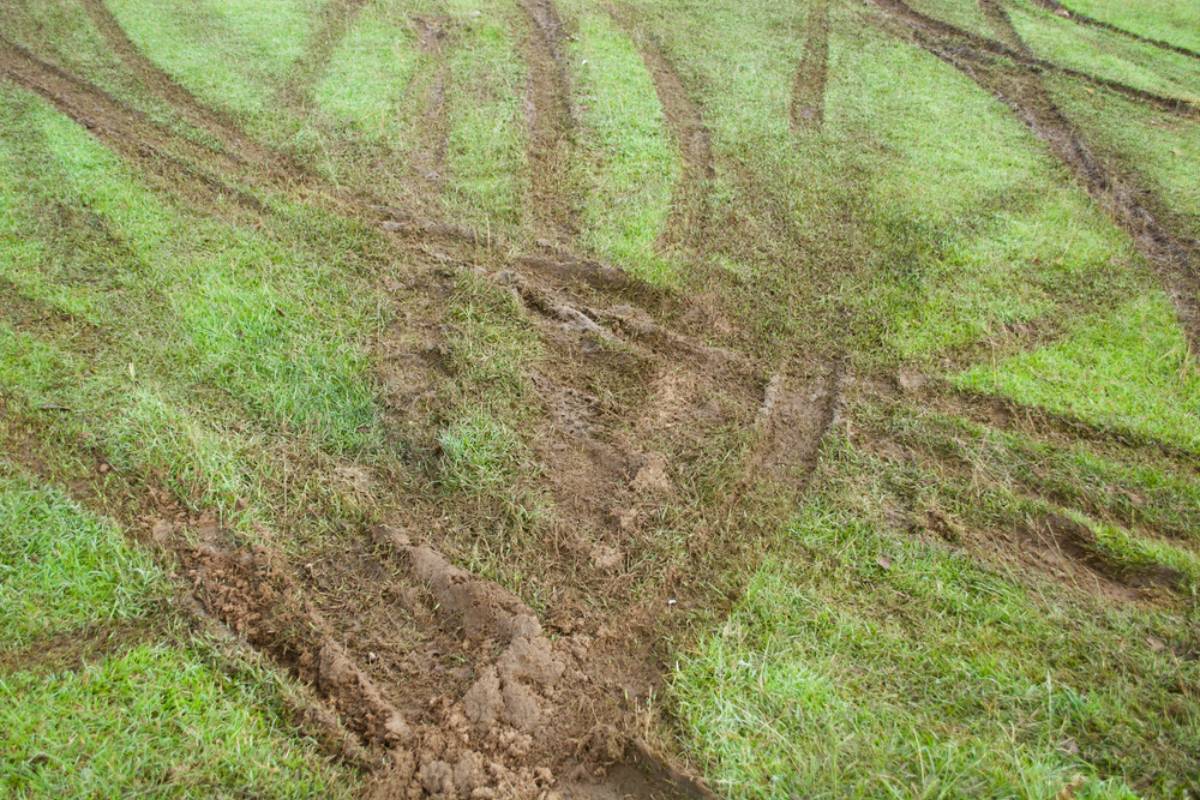
A person shared his story after discovering that someone had been repeatedly driving over the edge of his front lawn, leaving behind tire marks that were becoming increasingly difficult to ignore. At first, the damage seemed minor enough to overlook, but the situation soon became a frustrating routine of torn grass and another patch of yard that needed attention.
The homeowner had a driveway right beside the damaged area, making him suspect that someone was using his property as a convenient place to turn around. The real problem was that he had no idea who was responsible, leaving him caught between repairing his lawn again and figuring out how to stop the mysterious driver.
When a Little Tire Mark Becomes a Gardening Problem
Anyone who takes pride in maintaining a lawn knows how quickly a small patch of damage can become an eyesore. Grass that once looked neat and healthy can turn into a flattened, muddy mess when vehicles repeatedly roll across it.
For this homeowner, the damage was no longer something he could simply brush aside. Each new tire mark raised another question about how much more of his carefully maintained lawn would be destroyed before someone finally stopped treating it like an extension of the driveway.
The Driveway May Have Been the Secret Culprit
The location of the damage offered an important clue. Because the torn-up grass sat directly beside the driveway, the homeowner suspected that a driver might be swinging across the lawn to turn around instead of taking the time to maneuver properly.
Still, he did not know whether the culprit was a neighbor, a delivery driver, or someone else entirely. That uncertainty made the situation more complicated because confronting the wrong person could create an unnecessary neighborhood feud over a patch of grass.
Why He Did Not Want to Accuse the Neighbors
It would have been easy to point fingers at the people living nearby, especially when the damage kept appearing without explanation. However, the homeowner wanted to know what was actually happening before accusing anyone of disrespecting his property.
That cautious approach could save him from turning an annoying lawn problem into a much bigger personal conflict. After all, the person responsible might not even be a neighbor, and a premature accusation could leave everyone arguing while the grass continued to suffer.
The Security Camera Plan That Could Reveal Everything
Rather than immediately installing barriers or confronting people on the street, the homeowner began considering a Wyze security camera aimed toward the driveway. His idea was simple: capture what was happening, identify the driver, and decide what to do with actual evidence instead of guesswork.
A camera could also reveal whether one particular vehicle was responsible or whether several different drivers were making the same careless maneuver. For someone tired of spending time and money repairing the lawn, finding the real cause before choosing a permanent solution seemed like a sensible first step.
One Response Suggested a Surprisingly Simple Fix
A response from a person suggested putting a large rock near the damaged edge of the lawn, offering a solution that was both practical and amusingly straightforward. Instead of repeatedly repairing the grass where vehicles crossed it, the homeowner could introduce a landscaping feature that made the shortcut much less convenient.
The suggestion quickly opened up a bigger conversation about protecting lawns without turning every passing driver into a suspect. A well-positioned decorative boulder could serve as a garden feature while helping discourage vehicles from cutting across the grass.
The Boulder Idea Started Taking Over the Conversation
Once the idea of a large landscaping rock entered the discussion, people began suggesting variations on the theme. Some favored a single substantial boulder, while others imagined several decorative rocks arranged along the vulnerable edge of the yard.
The appeal was easy to understand because the solution could look intentional rather than defensive. Instead of leaving the damaged strip of grass exposed, the homeowner could redesign the area with stone features that complemented the driveway and made the boundary more obvious.
Could a Camera and a Rock Work Better Together?
Another response from a person supported the camera plan, pointing out that knowing who was responsible could be just as important as preventing further damage. A camera could provide clarity before the homeowner spent money on landscaping changes that might not address the real problem.
Combining evidence with a physical barrier could offer a more measured approach than immediately escalating the situation. The camera would help establish what was happening, while a carefully planned landscape feature could discourage future drivers from repeating the maneuver.
When Decorative Landscaping Becomes a Defensive Strategy
Gardeners often use rocks, edging, shrubs, and planters to give their yards structure and personality. In this case, those ordinary landscaping choices suddenly had another purpose: protecting the lawn from unwanted vehicle traffic.
A line of visible stones could define the transition between the driveway and the grass, making the intended driving area clearer. The homeowner might even turn the damaged corner into an attractive rock garden, replacing a frustrating patch of torn turf with a feature that requires less routine repair.
Reflective Markers and Planters Enter the Picture
Not every homeowner wants a massive boulder sitting beside the driveway, and several responses suggested less dramatic alternatives. Reflective markers, small posts, and large planters were among the ideas discussed for making the lawn’s edge easier for drivers to recognize.
These options could be particularly useful where visibility is poor or the driveway’s boundary is not immediately obvious. However, any installation would need to remain visible and comply with local rules, especially if the lawn’s edge borders a public right-of-way.
A Small Wall Could Be the Permanent Answer
One response described a similar experience in which repeated vehicle damage continued until the homeowner built a small wall and added landscaping. After trying other approaches, the person found that creating a more permanent physical boundary finally stopped the unwanted traffic.
That story offered another possible direction for anyone dealing with a repeatedly damaged lawn. Depending on the property layout, a low wall, suitable edging, or a professionally installed barrier might protect the grass more reliably than repeatedly reseeding the same unfortunate patch.
The Temptation to Fight Back Could Make Things Worse
As the discussion grew, some people floated deliberately damaging ideas involving hidden hazards, but those suggestions came with serious risks. Intentionally placing spikes, nails, or concealed obstacles where vehicles might pass could injure people, damage property, and expose the homeowner to legal consequences.
A safer response would be to focus on visible landscaping features, lawful barriers, and clear evidence of the damage. The goal is to protect the garden, not create a second problem that could be far more expensive than repairing a strip of grass.
The Twist Was That Nobody Knew Who Was Responsible
Despite all the ideas about boulders, cameras, and landscaping, the central mystery remained unresolved in the original account. The homeowner had tire marks, damaged grass, and a strong suspicion that someone was using the driveway area to turn around, but he had not identified the driver.
That uncertainty was precisely why he wanted to investigate before making a permanent change. A neighbor, a delivery driver, or another visitor could have been responsible, and discovering the truth would help him choose a solution suited to the actual problem.
Turning a Frustrating Lawn Into a Better-Designed Garden
The situation highlights how a small landscaping problem can reveal weaknesses in the way a front yard is arranged. When vehicles repeatedly cross a lawn’s edge, simply replacing the grass may not solve anything if the same route remains easy to use.
A more thoughtful design could combine visible boundaries, attractive stones, suitable planting, and a camera if necessary. The homeowner’s next move could transform a recurring source of frustration into a more organized, resilient front garden, provided any barriers are safe and permitted.
The Real Victory Would Be Saving the Grass Without Starting a Feud
For now, the homeowner’s immediate priority was finding out who kept driving across his lawn and preventing the damage from continuing. His plan to consider a camera before committing to a barrier reflected a desire to understand the problem rather than act on suspicion alone.
The most useful lesson is that repeated lawn damage calls for more than another bag of grass seed. With evidence, sensible landscaping, and a clear boundary, homeowners can protect their outdoor spaces without turning an unidentified driver into a neighborhood enemy.