She Waited Until Her Divorce Was Final to Finally Plant the Garden Her Ex Never Allowed, Then Her New Neighbor Tried to Have It Removed
For years, Lauren kept the backyard of her suburban home almost completely bare. Her husband had always insisted that a garden would make the property look cluttered, so she learned to keep her gardening plans inside a notebook instead.
After their divorce was finally settled, Lauren opened that notebook, bought the plants she had been waiting years to grow, and turned the empty yard into something that unexpectedly became the center of a neighborhood dispute.
The First Bed Went Into the Ground
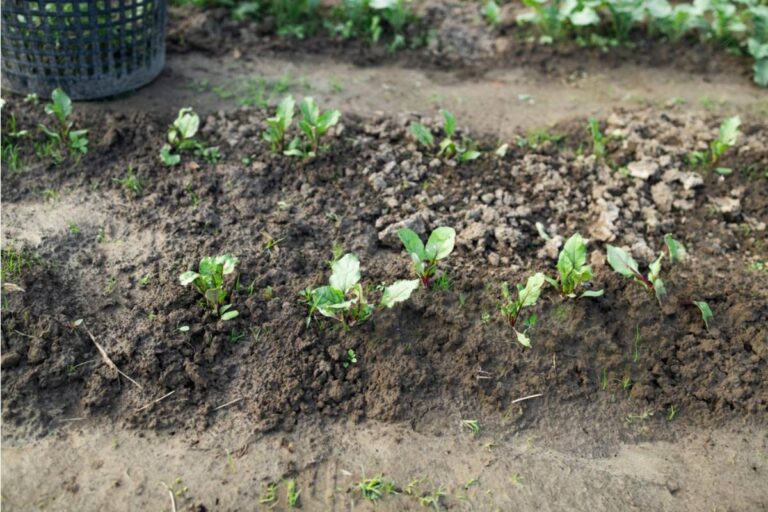
Lauren chose the corner closest to the kitchen window for her first flowerbed because she wanted to see it while making coffee. She marked the edges with wooden stakes, loosened the soil, and planted lavender, coneflowers, and several varieties of roses she had been saving in her notes. For the first time since buying the house, she felt as though the backyard belonged completely to her.
Her teenage daughter, Emma, came outside carrying a pitcher of lemonade and stared at the rows of plants. “Mom, Dad is going to hate this,” she said before catching herself and remembering that her father no longer lived there. Lauren laughed and replied, “That’s the point.”
Lauren Filled the Yard With Color
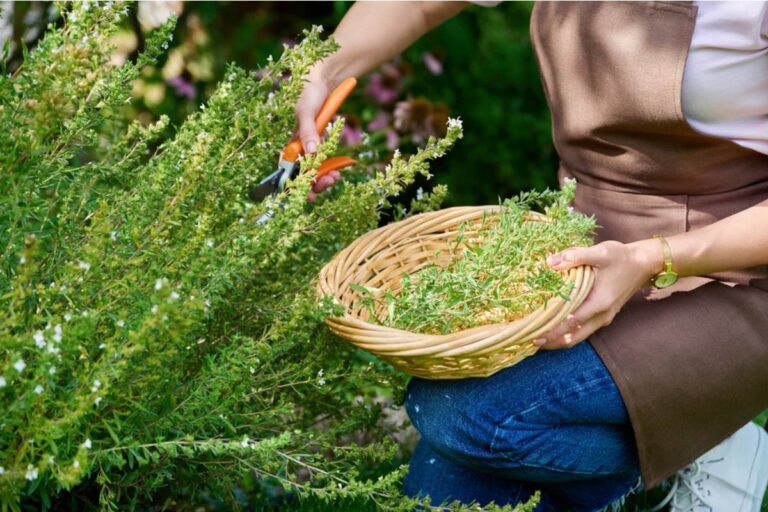
Over the next several weekends, Lauren expanded the garden beyond the original bed. She added a narrow stone path, planted herbs beside the patio, and built a small trellis against the rear fence for climbing roses. Every decision came from the notebook she had kept during her marriage, including little sketches of where she had once dreamed each plant would go.
The transformation became noticeable from the street, and neighbors began complimenting her whenever they passed. An older neighbor named Mrs. Alvarez stopped one morning and asked whether Lauren had hired a landscaper. Lauren smiled and said she had designed everything herself, which made Mrs. Alvarez nod approvingly.
The New Neighbor Moved In
A few months later, a man named Grant purchased the house next door. He introduced himself politely while carrying boxes from his truck and told Lauren he was looking forward to meeting everyone on the block. Lauren welcomed him and mentioned that she had recently started working on the garden.
Grant glanced over the fence and said it looked impressive. His tone was friendly, but his eyes lingered on the taller plants near the property line. Before leaving, he asked whether Lauren knew the neighborhood had fairly strict expectations about landscaping.
Grant Returned With a Question
A week later, Grant knocked on Lauren’s door holding a folder. He said he had noticed several plants growing close to the shared boundary and wondered whether she could move them farther away. Lauren looked through the window at the garden and asked whether any branches were crossing onto his property.
Grant said they were not, but claimed the plants made his yard feel enclosed. Lauren explained that the garden had been carefully planted inside her property line and that she had no intention of moving it.
The First Letter Arrived
The following week, Lauren found a printed notice in her mailbox. It was not from Grant directly but from the neighborhood association, warning that her landscaping allegedly violated a provision concerning excessive vegetation along side and rear property boundaries.
Lauren read the letter twice because the wording sounded strangely formal for a garden that had been there for months. She called the association and learned that someone had submitted a complaint about her property. When she asked who had complained, the association representative said they could not disclose the homeowner’s identity.
Emma Found the Old Property Documents
Lauren decided to review the paperwork from her divorce and home purchase before responding. Emma helped her search through a filing cabinet and found the original property survey, along with several photographs taken before Lauren had planted anything.
The survey showed the exact boundary lines and confirmed that the garden was entirely within Lauren’s lot. Emma spread the papers across the kitchen table and said, “So what exactly does he think you did wrong?”
Lauren admitted she did not know yet, but she intended to find out.
The Complaint Became More Specific
Another letter arrived several days later, this time identifying several plants that supposedly created an obstruction. Grant had apparently complained that Lauren’s roses, shrubs, and trellis were changing the appearance of the neighborhood.
Lauren found the accusation absurd because the trellis was shorter than the fence and the roses were planted several feet inside her property line. She contacted the association again and asked for the specific rule that required her to remove them.
Grant Knocked Again
Grant came over that evening before Lauren received an answer. He said he hoped they could settle the matter without turning it into a bigger conflict and explained that he had purchased his home partly because he liked the open view toward the back of the neighborhood.
Lauren told him she understood his preference, but his preference did not give him control over her yard. Grant replied that the garden made his property feel less open, and Lauren calmly said, “You can enjoy your view from your side of the fence.”
Lauren Learned About the Previous Owner
The situation took an unexpected turn when the association manager called Lauren and mentioned that Grant had provided photographs from the previous homeowner. The photographs showed the yard before Lauren’s garden existed, but they also showed something else.
The previous owner had maintained several large shrubs and a row of flowering plants along almost the same boundary. Lauren asked why those plants had never been cited, and the manager admitted that they had been there for years without a complaint.
Grant Claimed the Garden Was Different
Lauren asked Grant about the old landscaping when they spoke again. He said the previous plants were low and did not create the same visual barrier as her current garden.
Lauren pointed out that several of his own shrubs were taller than the plants he wanted removed. Grant became irritated and said she was turning a simple request into a personal argument.
Lauren replied that she was not interested in arguing, but she was also not willing to destroy a garden simply because a new neighbor preferred an empty view.
The Board Visited the Property
The association eventually sent two board members to inspect the garden. Lauren walked them through the yard and showed them the survey, planting plan, and photographs documenting the garden’s growth.
One board member measured the distance from the plants to the property line while the other compared the garden to the association’s written landscaping rules. After nearly an hour, they told Lauren that nothing appeared to violate the stated height or setback requirements.
Grant Produced an Old Rule
Just when Lauren thought the dispute was ending, Grant produced a copy of an older neighborhood guideline. It contained language suggesting that landscaping should not “substantially interfere with neighboring views.”
The board members admitted that the wording was vague and that the rule had not been used to require landscaping removal in many years. Lauren asked whether a vague preference about visibility could override the specific rules governing plant height and property boundaries.
Nobody answered immediately.
The Board Called a Special Meeting
The association scheduled a meeting to discuss whether the older guideline could be applied to Lauren’s garden. Several neighbors attended because the issue had become the main topic of conversation on the community message board.
Grant spoke first and said he believed Lauren’s garden was excessive. Lauren listened without interrupting, then stood with her folder and explained that she had spent years being told what she could not do with her own backyard.
She told the board that she had finally created the garden after her divorce because it represented something she had wanted long before Grant ever moved into the neighborhood.
Mrs. Alvarez Spoke Up
When Lauren finished, Mrs. Alvarez asked to speak. She explained that she had watched the garden develop from the beginning and had never seen a single plant cross the property line.
She also reminded the board that the neighborhood had always encouraged homeowners to maintain attractive yards. “We can’t tell people to make their homes beautiful and then punish them because someone next door doesn’t like the result,” she said.
Several residents applauded.
The Old Guideline Was Rejected
After reviewing the association’s governing documents, the board concluded that the older guideline could not be used to force Lauren to remove compliant landscaping. The board formally withdrew the violation notice and stated that any future complaint would have to identify a specific enforceable rule.
Grant looked disappointed but remained silent. Lauren thanked the board and gathered her paperwork without making a scene.
Grant Changed His Approach
For several weeks, Grant kept his distance. Lauren expected another complaint, but none arrived, and eventually he knocked on her door with an entirely different attitude.
He admitted that he had been frustrated because the garden was not what he expected when he bought the house. He apologized for trying to make his personal preference into an association issue.
Lauren accepted the apology but told him she hoped they could respect each other’s property from that point forward.
The Garden Became Bigger
With the dispute finally behind her, Lauren continued expanding the garden. She added native flowers near the fence, built a small seating area beneath the roses, and created a narrow vegetable bed where Emma could grow tomatoes.
The work became a family project rather than something Lauren did alone. Emma painted small wooden plant markers, while Mrs. Alvarez occasionally brought over cuttings from her own garden.
Grant Eventually Asked for a Cutting
One spring afternoon, Lauren found Grant standing near the fence looking at the roses. He asked whether the climbing variety was difficult to grow and admitted that he liked the flowers more than he had expected.
Lauren told him she could give him a cutting if he wanted to try one in his own yard. Grant laughed and said he probably did not deserve one after everything that had happened.
She handed him a small rooted cutting anyway.
The Boundary Finally Became Ordinary
The two properties eventually settled into a comfortable rhythm. Grant planted his own flowers, Lauren kept her garden neatly trimmed, and neither homeowner had another reason to involve the association.
The fence remained between them, but it no longer felt like the dividing line in an argument. It simply marked where one person’s garden ended and another person’s began.
Lauren Kept Her Original Notebook
Years later, Lauren still had the notebook she had filled during her marriage. Some pages contained rough sketches, plant names, and ideas she had never been allowed to try.
She kept the notebook in a drawer beneath her gardening gloves. Whenever she opened it, she remembered how different the backyard had looked before she finally gave herself permission to make it her own.
The Garden Became More Than a Garden
What started as a private act of reclaiming her home eventually became one of the most recognizable gardens on the block. Neighbors stopped by for cuttings, children helped pick vegetables, and people often asked Lauren for advice about roses.
Grant even began gardening himself, though he joked that Lauren had created the problem by making his own yard look boring by comparison. She laughed whenever he said it because she remembered how seriously he had once wanted her garden removed.
Lauren Finally Understood Why It Mattered
The garden had never really been about flowers. It represented the first major decision Lauren had made after years of compromising on everything from paint colors to weekend plans.
She had spent years believing peace meant keeping everyone else comfortable. The day she planted the first rose, she discovered that peace could also mean standing quietly on her own ground and deciding what belonged there.
The Roses Stayed
Lauren eventually replaced the original garden plan with a larger one that included paths, herbs, vegetables, and native plants. She kept the first rose bush exactly where she had planted it, even after several newer varieties surrounded it.
Whenever she looked at that rose, she remembered the empty yard that came before it, the complaint that nearly took it away, and the neighbor who eventually learned to live beside it.
The garden remained, not because nobody objected, but because Lauren had finally learned that having a peaceful life did not require asking everyone else for permission to build it.