Homeowner Says a Neighbor’s Free-Roaming Dog Kept Digging Holes in Her Front Lawn, Then an Animal Control Visit Revealed a Denial That Could Change Everything
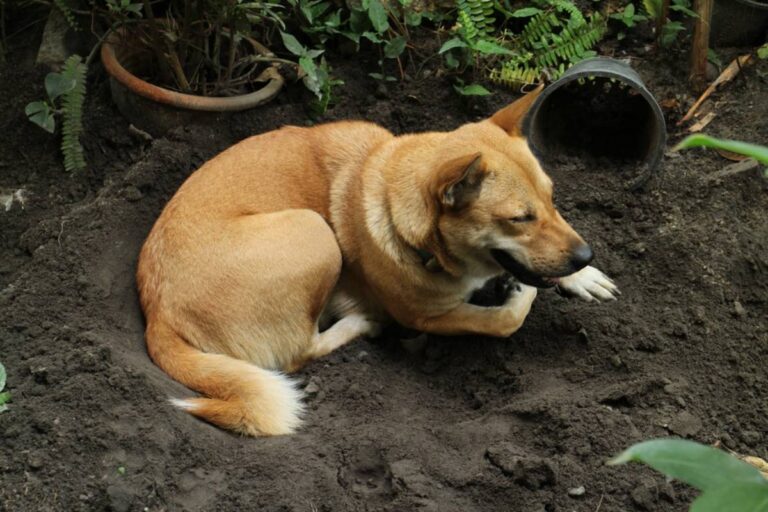
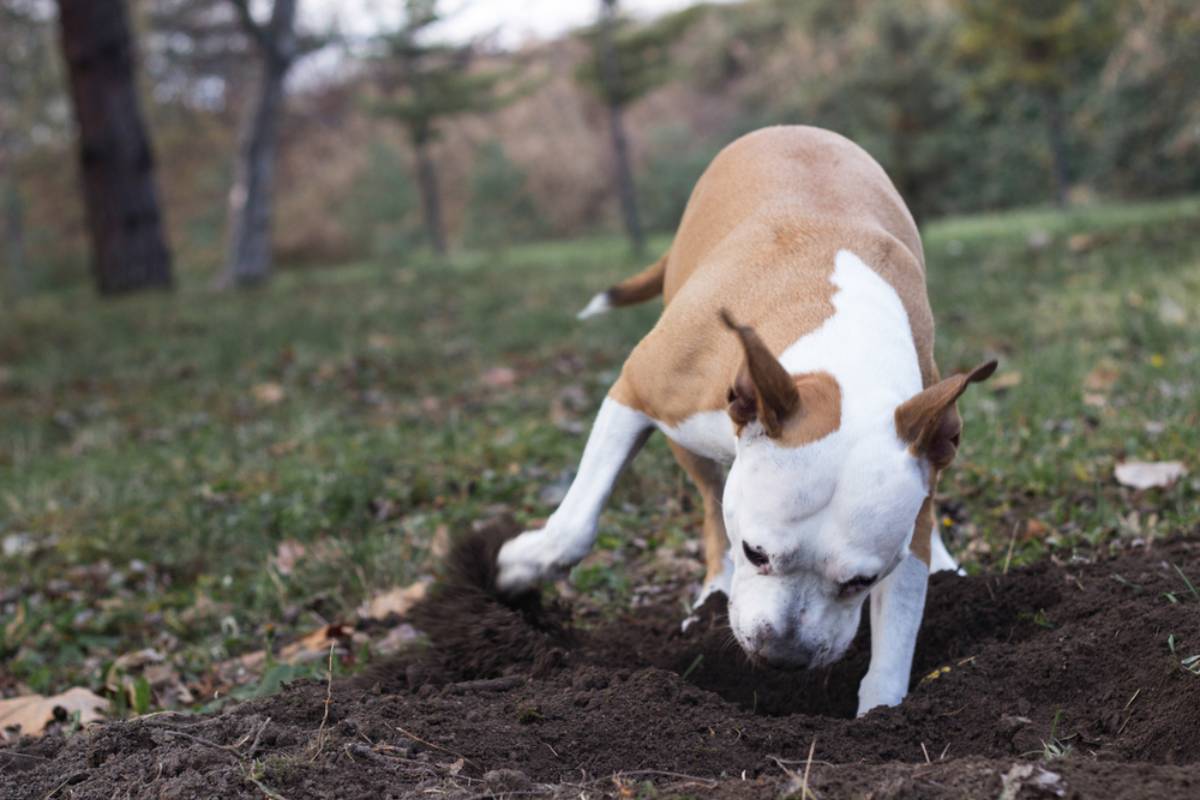
A person shared his story about settling into his first house in a neighborhood, expecting the usual joys of homeownership: getting comfortable, improving the property, and keeping the front lawn looking presentable. Instead, an unexpected visitor began treating his yard like a personal excavation site. The culprit was the neighbor’s dog, which regularly wandered around the neighborhood and apparently considered the lawn an excellent place to dig.
At first, the damage seemed manageable, with only two holes appearing in the grass. Still, those holes represented more than a little extra garden maintenance because the dog was also roaming across the lawns of several nearby homes. The homeowner now faced an awkward question: should he protect his garden and report the problem, or tolerate the digging to avoid starting a neighborhood feud?
The Neighbor’s Dog Had Turned the Neighborhood Into Its Playground
The dog apparently had a much larger territory than its own backyard, casually patrolling an area that covered approximately five houses. It seemed to understand how cars moved around the streets, but that did not make its unsupervised adventures any less dangerous. The homeowner explained that he had nearly hit the animal with his car multiple times, turning an irritating lawn problem into a genuine safety concern.
For a gardener, having a dog wander through the front yard can be frustrating enough without worrying about what it might damage next. Freshly dug holes can spoil the appearance of a lawn, disrupt grass growth, and leave uneven patches that need filling and reseeding. In this case, however, the holes were becoming the least worrying part of the story.
A Polite Note Had Failed to Fix the Problem
The homeowner had already tried handling the situation quietly about a year earlier, after discovering dog waste in the yard. Rather than immediately contacting authorities or confronting the owner, he left a note to bring the problem to the neighbor’s attention. Unfortunately, the dog continued roaming, suggesting that the message had not produced a lasting change.
That earlier attempt mattered because the homeowner was not looking for a fight over a patch of grass. He simply wanted to enjoy his property without regularly cleaning up after an animal that did not belong to him. Since this was his first home in a neighborhood, he also worried that taking a firmer approach could make future interactions with the neighbors uncomfortable.
The Homeowner Was Torn Between His Lawn and His Neighbors
Living beside someone can be complicated when a small disagreement threatens to become a permanent source of tension. The homeowner knew that allowing the dog to roam freely was irresponsible, particularly because it repeatedly approached roads and entered other people’s yards. Nevertheless, he did not want his first major neighborhood dispute to revolve around a couple of holes in the front lawn.
Doing nothing seemed tempting while the damage remained relatively minor, but ignoring the situation came with obvious risks. The dog could create more holes, leave additional mess, or suddenly appear in front of a moving vehicle. The homeowner was stuck between protecting his property now and worrying about what might happen if he waited until the problem became much worse.
Even the Doorbell Camera Was Struggling to Catch the Culprit
The homeowner had a camera-equipped doorbell that could potentially help identify the wandering dog. Unfortunately, the animal had managed to evade capture so far, leaving the homeowner without the convenient video evidence he had hoped to obtain. It was almost as though the dog had developed an impressive talent for disappearing whenever someone wanted proof of its gardening crimes.
Without clear footage, confronting the owner could turn into a frustrating exchange about whether the dog had actually been on the property. The homeowner could install additional cameras or pay closer attention whenever the animal appeared, but neither option guaranteed an immediate solution. Meanwhile, the grass was left dealing with the consequences of a four-legged visitor that apparently had no interest in respecting property boundaries.
One Person Suggested Building a Fence, but the Budget Had Other Plans
When the homeowner considered how to stop the digging, one response from a person offered a straightforward solution: build a fence. Physical barriers can be effective for protecting garden beds and lawns, especially when animals repeatedly enter the same area. Unfortunately, a front-yard fence was not a practical option for the homeowner because of the expense involved.
A fence might have kept the dog out, but it would also have required spending money to address a problem created by someone else’s lack of supervision. For a new homeowner, unexpected property expenses can be difficult to justify, particularly when the existing damage is relatively small. The search for a cheaper solution therefore continued, and the next suggestion was considerably more entertaining.
A Motion-Activated Sprinkler Became the Unexpected Favorite
Another response from a person suggested installing a motion-activated sprinkler that would spray water whenever an animal approached the protected area. The idea immediately caught the homeowner’s attention because it offered a possible way to discourage the digging without constructing a fence or constantly monitoring the lawn. For a garden that was already attracting an unwanted visitor, a little automated watering sounded surprisingly promising.
Motion-activated sprinklers are commonly used to discourage animals from entering selected outdoor areas, although their effectiveness depends on the animal and the setup. The homeowner liked the idea enough to say that it was one of his favorite suggestions. For a moment, it seemed that his front lawn might finally have found a practical defense against its persistent visitor.
Then Someone Pointed Out the Sprinkler’s Hilarious Weakness
Just when the sprinkler seemed like the perfect solution, another person introduced a plot twist. They explained that their own dog absolutely loved sprinklers, suggesting that the homeowner might accidentally create a new attraction instead of driving the visitor away. Rather than fleeing in fear, the neighborhood dog could potentially treat the garden’s new watering system as the best entertainment on the block.
The possibility was funny, but it also illustrated why deterrents do not work equally well on every animal. A device intended to startle one dog might amuse another, leaving the homeowner with damp grass and an increasingly enthusiastic visitor. The sprinkler remained a possible option, but it was no longer guaranteed to be the satisfying ending everyone had imagined.
Others Recommended Checking Local Rules Before Taking Action
Several responses focused on the dog’s freedom to roam, pointing out that local leash and animal-containment rules might apply. The homeowner confirmed that rules existed in his area and that animal control was an option, although he worried that the service would be ineffective if the dog was not outside when officers arrived. Because the animal appeared unpredictably, catching it in the act could prove difficult.
Other people argued that a dog repeatedly wandering through a residential neighborhood should not simply be treated as a harmless inconvenience. The concern was especially serious because the homeowner had nearly struck the animal with his car several times. Rather than relying entirely on a garden deterrent, he needed a solution that addressed the dog’s safety as well as the damage to the lawn.
Friendly Advice Suggested Repellents and Better Lawn Protection
Another response from a person recommended approaching the neighbors calmly and explaining the safety concerns instead of beginning with an accusation. The homeowner could describe the holes, mention the dog waste, and explain how often the animal had appeared near moving traffic. That conversation might encourage the owner to secure the dog without turning an ordinary neighborhood relationship into an ongoing conflict.
For the lawn itself, people suggested repairing the existing holes, considering suitable commercial dog repellents, or using other humane deterrents designed for outdoor spaces. Any product would need to be safe for grass, nearby plants, pets, and other wildlife when used according to its label. Unverified mixtures and irritating substances could damage plants or harm animals, so a gentle and properly labeled solution would be the wiser gardening choice.
The Homeowner Considered Whether the Other Neighbors Could Help
Because the dog reportedly patrolled around five houses, the homeowner was unlikely to be the only person affected by its adventures. One response suggested finding out whether other residents had experienced similar problems and whether they would be willing to raise the concern together. A shared account of repeated wandering could make the issue easier to explain without making it look like a personal disagreement about one damaged lawn.
There was just one complication: the neighborhood was not particularly sociable. The homeowner explained that people mostly exchanged waves, with little conversation beyond that, so organizing a group discussion would not be easy. Fortunately, the property owners’ association offered another possible route for raising concerns about an animal repeatedly wandering through the area.
The Update Took an Unexpected Turn After Another Near Miss
Eventually, the homeowner reached the point where waiting no longer seemed sensible. After nearly hitting the dog again while driving home, he contacted animal control, hoping the situation could finally be addressed before someone or something was hurt. He also praised the person who answered his call for taking the concern seriously despite the fact that the dog had not shown aggressive behavior.
Animal control came out early the following morning and contacted the homeowner with an update. The visit marked a turning point because the problem was no longer just a private frustration over damaged grass. What happened during the officers’ conversation with the neighbor, however, gave the story a more surprising direction than anyone could have predicted.
The Neighbor Denied the Dog Had Ever Been Outside
According to the homeowner’s update, animal control found the dog inside the house while speaking with its owner. The owner then reportedly denied that the dog had ever been outside, a claim the homeowner believed was plainly untrue given the repeated encounters and near collisions. The contrast between the homeowner’s experiences and the owner’s account left him hoping the visit would at least prompt a change in behavior.
The animal control officer reportedly remained calm and explained that the homeowner could send photographs if he obtained evidence of the dog wandering again. That advice gave him a practical next step without requiring him to argue directly with the neighbor. It also meant that the doorbell camera, which had so far failed to capture the elusive visitor, might yet become useful if the dog returned.
Animal Control May Have Accomplished What a Friendly Note Could Not
The homeowner hoped that the official visit would frighten the owner into taking the dog’s roaming seriously. After all, the earlier note had failed to solve the problem, while the animal control visit introduced a more formal reminder that the dog’s movements could have consequences. Even without an immediate penalty or dramatic confrontation, the visit might have been enough to encourage better containment.
For now, the homeowner did not appear eager to escalate things any further. He said he would take a photograph if the dog showed up again, giving him evidence to share with animal control rather than relying entirely on memory or an unsuccessful camera recording. If the owner finally kept the dog inside or properly contained it, the homeowner was willing to let the matter rest.
The Lawn Might Finally Get Peace, but the Sprinkler Twist Still Lingers
The story began with two holes in a front lawn and a homeowner who did not want to make enemies in his new neighborhood. It developed into a safety concern involving repeated near collisions, an ineffective note, a frustrating lack of camera evidence, and an animal control visit that ended with a disputed account of the dog’s outdoor adventures. The most surprising part was that the official intervention might solve the problem before the homeowner had to spend money on a fence or experiment with garden deterrents.
There is still a gardening lesson hidden beneath the humor: protecting a lawn does not always mean reaching for a shovel, new seed, or an expensive barrier. Sometimes the real solution is addressing the reason the damage keeps happening, while using humane and practical methods to protect the garden in the meantime. And if a motion-activated sprinkler ever does make its way onto this homeowner’s front lawn, one question remains: will it finally scare the neighborhood dog away, or will it become the dog’s favorite new water park?