Homeowner Says a 45-Foot Palm Tree Keeps Dumping Dead Branches Onto Their Roof and Solar Panels, Then Discovers the Real Problem Is Who Has to Clean Up the Garden Mess
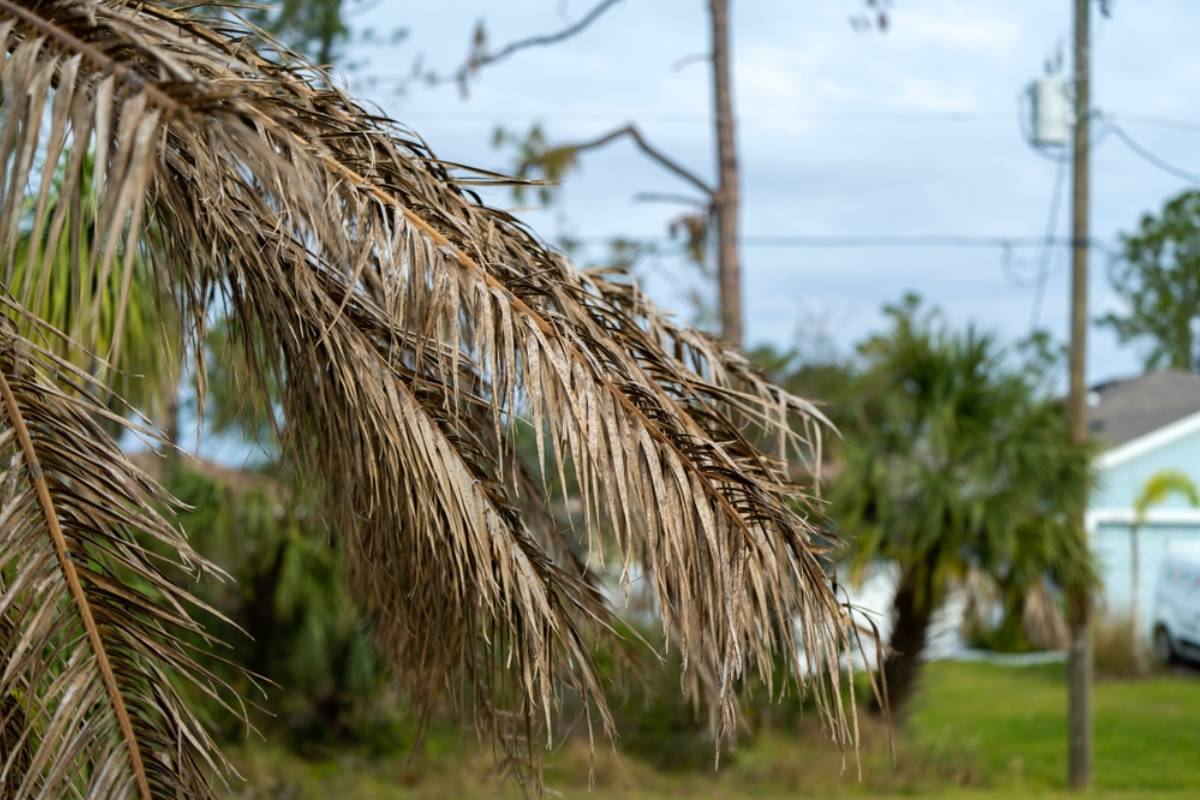
A person shared his story about a towering palm tree in Southern California that had turned an ordinary backyard into an ongoing cleanup project. Standing at least 45 feet tall, the tree was large enough to make a dramatic statement in the landscape, but its falling branches were becoming anything but decorative. Whenever storms or strong winds rolled through, pieces of the palm landed on the roof, solar panels, and backyard.
The homeowner explained that the neighbors living beside the tree were renters, so blaming them did not seem fair. The real question was whether the property owner should take responsibility for maintaining such a massive tree. What started as a gardening nuisance soon became a frustrating puzzle involving property boundaries, maintenance, and responsibility.
When Tropical Landscaping Starts Causing Trouble
Palm trees can give a garden a beautiful tropical appearance, especially in sunny Southern California, where they are a familiar sight. Their tall trunks and spreading fronds can make an otherwise ordinary yard feel like a vacation destination. However, when a palm grows to enormous proportions, keeping it healthy and safe becomes much more important than simply enjoying its appearance.
In this case, the tree had reached a height where falling branches could create problems well beyond its own planting area. The homeowner was not complaining about a few harmless leaves drifting across the fence. Instead, the falling material repeatedly landed on parts of the property that required extra care, turning a picturesque landscape feature into an unwelcome source of stress.
Stormy Weather Brings the Same Old Mess
The homeowner described a frustrating pattern that repeated itself whenever windy weather arrived. Branches would come down, land around the property, and create another round of cleanup that nobody seemed particularly eager to handle. The situation was especially inconvenient because the tree was so tall that its falling material could reach several different areas.
For gardeners, storms already mean checking damaged plants, collecting broken twigs, and inspecting fences or raised beds. Having to deal with debris from a neighboring tree adds another layer of work to an already busy routine. Instead of spending the weekend tending flowers or vegetables, the homeowner found himself dealing with a problem that originated outside his own garden.
The Solar Panels Add Another Layer of Concern
The falling palm branches were not limited to the lawn or garden beds. According to the homeowner, they also landed on the roof and solar panels, making the situation more concerning than an ordinary pile of garden waste. Even when no obvious damage occurs, repeated impacts can justify checking the affected areas for problems.
Solar panels are a valuable home investment, and debris falling onto them is not something a homeowner should simply ignore. The palm’s height made it difficult to predict exactly where the next branch might land during a storm. That uncertainty helped explain why the homeowner wanted to address the underlying maintenance issue rather than keep cleaning up after every windy day.
The Cleanup Was Harder Than Picking Up Leaves
Anyone who has maintained a garden knows that green waste can accumulate surprisingly quickly. A few small branches might fit neatly into a garden-waste bin, but large palm fronds are another story entirely. Their long, tough structures often need to be cut into smaller pieces before they can be disposed of properly.
The homeowner explained that the fallen branches took up so much room that they could fill the entire plant-waste bin. Because the collection truck came only every two weeks, dealing with one batch of debris could interfere with disposing of other garden waste. Suddenly, a tree that belonged to someone else’s property was dictating the homeowner’s cleanup schedule.
The Neighbors Were Renters, Not the Owners
One detail made the situation more complicated: the people living next door were tenants. The homeowner specifically acknowledged that the renters were not necessarily responsible for decisions about the property’s landscaping. That distinction mattered because the complaint was about the tree itself, not a personal dispute with the people living beside it.
Renters generally do not have the same authority as property owners when it comes to arranging major tree maintenance. Depending on the lease and local rules, they may have little control over whether a mature palm is pruned or professionally assessed. The homeowner therefore wanted to understand whether the responsibility should fall on the people who owned the property rather than those who happened to live there.
Could the Property Owner Be Asked to Trim the Tree?
The homeowner’s main question was whether the owners could be asked to remove the dead branches before another storm sent them flying. It was a reasonable concern, especially given the tree’s considerable height and the repeated problems it was causing. Rather than immediately demanding that the entire palm be removed, the homeowner wanted to know whether trimming would be a possible solution.
Dead fronds can accumulate on some palms, although the appropriate maintenance depends on the species, the condition of the tree, and local conditions. A qualified arborist can determine whether pruning is necessary and how to perform it safely. For a tree towering roughly 45 feet above nearby homes, climbing up with a ladder and a pair of garden shears would clearly be the wrong approach.
A Response From a Person Points Toward the Owner
A response from a person offered a straightforward starting point: the property owner is generally the person to contact about a tree growing on their land. That suggestion gave the homeowner a practical direction without requiring an immediate confrontation with the tenants. It also reinforced the difference between asking someone to tidy up their garden and asking the responsible property owner to arrange professional maintenance.
However, the exact legal obligations can depend on local ordinances and the circumstances surrounding the tree. Simply owning a palm does not automatically mean the owner is liable for every branch that falls during a storm. The important questions include whether the tree was hazardous, whether the owner knew about a dangerous condition, and what local law requires.
What Happens When Branches Fall Naturally?
A response from a person also explained that branches falling because of natural events, such as storms, may be treated differently from branches falling because of a known, neglected hazard. In some circumstances, the property where debris lands is responsible for routine cleanup. If a tree was dead or presented an obvious danger that the owner failed to address, however, questions about liability can become more complicated.
That distinction is important because a fallen branch does not automatically prove that a neighbor did something wrong. The condition of the tree before the storm, the type of damage involved, and the applicable local rules can all affect the outcome. For the homeowner, documenting the repeated incidents and seeking reliable local guidance would be more useful than assuming the law always favors one side.
The Location Matters More Than You Might Think
The homeowner clarified that the property was in San Diego, California, giving the situation a specific local context. Cities and counties can have different rules concerning tree maintenance, hazardous vegetation, property damage, and public safety. Those details matter when deciding whether a homeowner can require a neighboring property owner to take action.
Rather than relying on general advice from another state, the homeowner would need to check the relevant San Diego rules and determine whether any specific maintenance requirements applied. If the tree was on public land instead of the neighbor’s property, the appropriate contact could be different. Establishing exactly who owns the tree is therefore an important first step before demanding that anyone pay for trimming.
An Arborist Could Help Settle the Question
A qualified arborist could inspect the palm and assess whether the falling material was simply part of normal seasonal shedding or evidence of a more serious maintenance issue. That distinction could help the homeowner explain the problem clearly to the property owner. It could also identify whether targeted pruning would address the concern or whether additional work was needed.
Professional advice is particularly valuable when a mature palm stands close to buildings, solar panels, or areas where people regularly spend time. Large palms require appropriate equipment and experience, and improper pruning can damage the tree or create additional hazards. An independent assessment would provide more useful information than a neighborly argument about who should pick up the branches.
Photographs Could Become Surprisingly Important
Another practical suggestion was to photograph the damage and keep a record of what happened after each storm. Pictures of fallen fronds, damaged property, and the condition of the tree could help establish a pattern if the problem continued. Keeping dates and notes would also make it easier to explain the situation to the property owner or an insurance company.
Documentation is particularly useful when a dispute involves repeated incidents rather than one isolated accident. If the homeowner eventually needed to establish that the tree was creating a recurring problem, a clear record could help support that conversation. Of course, photographs alone would not determine legal liability, but they could provide valuable evidence of the circumstances.
The Homeowner Wanted a Solution, Not a Feud
The homeowner’s original concern was practical rather than dramatic. The neighboring tenants were not necessarily to blame, and the homeowner did not simply demand that the palm disappear from the landscape. The immediate goal was to find out whether the owner could be asked to maintain the tree so that dead branches stopped creating such a persistent mess.
That approach could help keep a frustrating situation from turning into a full-blown neighborhood feud. A polite written request, supported by photographs and a clear explanation of the recurring problem, would give the property owner an opportunity to respond. If the situation involved a genuine safety hazard or significant damage, the homeowner could then explore the appropriate local procedures.
A Beautiful Palm Can Still Need Responsible Maintenance
Palm trees are often prized for their dramatic silhouettes, shade, and tropical character, but their size can make maintenance more complicated as they mature. A tree that looks impressive from the street may create very different problems for the people living beside it. Regular inspections and appropriate pruning can help identify potential hazards before they become more serious concerns.
Gardeners do not necessarily need to dislike palms to recognize that large trees require thoughtful placement and care. When a mature tree stands near neighboring homes, its maintenance can affect more than one household. The best solution usually begins with understanding the tree’s condition, identifying the responsible property owner, and checking the rules that apply locally.
The Real Twist Was Who Had to Deal With the Debris
The homeowner’s story began with a simple question about a palm tree, but the underlying issue was much bigger than a few fallen branches. A tree on one property was repeatedly creating cleanup work and potential concerns on another, leaving the affected homeowner wondering where responsibility began and ended. Meanwhile, the renters next door were caught in the middle of a problem they might not have the authority to fix.
The most useful next step was not necessarily cutting down the palm or launching a legal dispute. It was to document the incidents, contact the property owner, and determine whether professional maintenance or local regulations offered a solution. Sometimes the biggest gardening headaches do not come from pests, poor soil, or unpredictable weather, but from a towering tree whose falling branches keep crossing the boundary between someone else’s landscaping and your own backyard.