Homeowner Says a Fiber Line Was Buried Under Her Maple Tree, Then an Arborist Revealed What Was Hidden Beneath the Garden
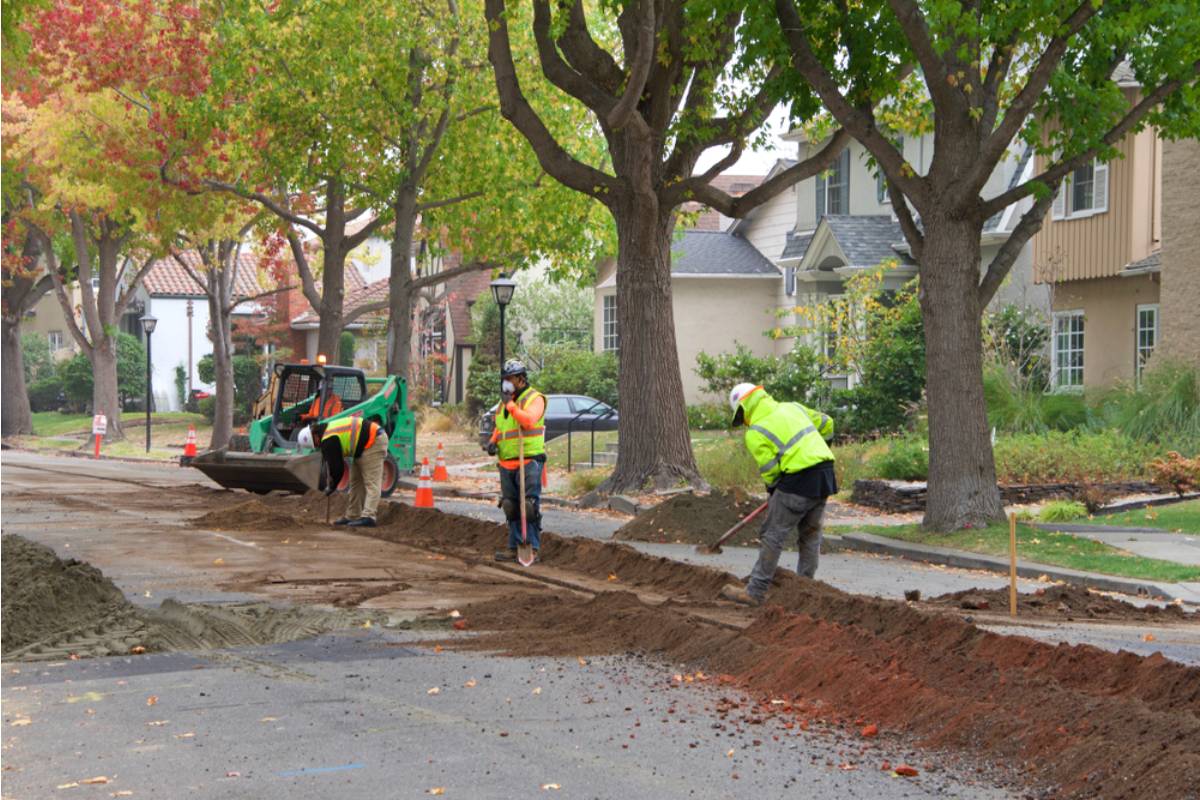
A homeowner in the Indianapolis area was surprised when a private utility installed a fiber-optic line across two of their properties. The project might have seemed routine from the street, but the route crossed areas containing a mature maple tree and several Chinese junipers. Before long, the homeowner became concerned that the installation had caused damage that would not necessarily become visible immediately.
The homeowner did not want to wait until the trees began declining before taking action. They needed someone who could determine the current health of the landscape and establish a way to monitor it over time. With legal representation already involved, the arborist’s report could become an important piece of the larger dispute.
The Maple Tree Was Suddenly Part of the Problem
The fiber line had reportedly been installed underneath a maple tree, making the root zone a major concern. Tree roots can extend far beyond the visible canopy, so simply looking at the trunk and branches would not necessarily reveal whether construction had caused damage. The homeowner wanted a professional assessment rather than relying on what could be seen from the surface.
The Chinese junipers created another concern because several plants were also located near the installation route. Even if they appeared healthy immediately after construction, damage to roots or soil structure could potentially show up later. The homeowner therefore wanted an assessment that considered both the present condition and possible future effects.
The Homeowner Started Measuring the Damage
Rather than simply assuming the utility had buried the line correctly, the homeowners hired a utility locator service. The service retraced the fiber route and measured the depths at various points across the properties. Those measurements reportedly showed that portions of the installation were above the frost line.
That discovery made the situation considerably more complicated. The homeowner was no longer dealing with a simple question of where the cable went, but also how its installation might have affected the landscape and property. The measurements gave them something concrete to provide to the professionals evaluating the situation.
The Soil Was Suddenly Under Investigation
The homeowner believed the installation had disturbed areas where the line crossed their property and the right of way. They were particularly concerned because portions of the line had apparently been installed at relatively shallow depths. If additional work became necessary, the homeowner wanted to make sure the landscape was protected as much as possible.
The concern was not limited to what had already happened. Any future excavation could create another round of disturbance around the trees and shrubs. That meant the homeowner needed an action plan that addressed both existing damage and precautions for whatever happened next.
A Lawyer Was Already On the Case
The homeowners had already hired a law firm to represent them, which changed what they needed from an arborist. They were not simply looking for someone to recommend whether a tree should be watered or pruned. They needed professional documentation describing the condition of the landscape and what should be done going forward.
That made the choice of arborist especially important. A casual inspection might tell them whether a tree looked healthy, but they wanted information that could be presented alongside their other evidence. The goal was to create a clear connection between the current landscape condition, the construction activity, and the recommended steps for protecting the property.
They Needed More Than a Tree Trimmer
One response from a person immediately suggested looking for a consulting arborist rather than simply hiring someone who specializes in routine tree work. That distinction could make a major difference when documentation and an action plan are required. The homeowner was looking for professional evaluation, not merely a quote for removing or pruning trees.
The response also pointed toward professional directories as a starting point. The homeowner could use those resources to identify qualified professionals and then compare their experience with construction-related tree assessments. Suddenly, the search became much more specific than simply finding someone who could climb a tree.
The Search Turned Toward Professional Credentials
The recommendation suggested starting with the directory maintained by the American Society of Consulting Arborists. The idea was to find professionals accustomed to evaluating trees and providing consulting services rather than focusing exclusively on maintenance. That sounded particularly appropriate for a situation involving property damage and an ongoing dispute.
If that search did not produce a suitable candidate, the response suggested looking for Board Certified Master Arborists through the International Society of Arboriculture’s directory. Those credentials could give the homeowners another way to narrow the field. Instead of picking the first arborist who answered the phone, they now had a more structured way to search.
The Homeowner Had a Bigger Goal Than a Single Inspection
The homeowner specifically wanted someone who could determine the current health of the trees and shrubs. But the more important part was developing a monitoring plan for the months and years ahead. Some construction-related stress may not be obvious immediately, so establishing a baseline could give them something to compare against later.
That baseline could become especially valuable if the maple or junipers began showing symptoms after the installation. Photographs, measurements, observations, and professional recommendations could create a record of their condition at the beginning of the process. The homeowner was essentially trying to make sure the garden had its own medical chart.
The Right of Way Created Another Layer
The homeowner was also concerned about the portion of the installation located within the right of way. That meant the situation was not confined to a simple backyard excavation. The route crossed areas where the utility company apparently had some authority to work, while the homeowner still had concerns about the effects on their landscape.
The distinction made professional documentation even more useful. An arborist could identify the trees and shrubs at risk and explain what construction activity around their root zones might mean. The homeowner could then provide that information to their attorneys while decisions were being made about the fiber installation.
They Did Not Want to Wait for the Trees to Decline
One of the homeowner’s biggest concerns was timing. If the installation had compromised roots, waiting until a maple began losing branches could mean that significant damage had already occurred. By then, proving when and how the decline began could become much more difficult.
Instead, the homeowners wanted to document the landscape while the trees were still present and observable. That approach could establish a baseline against which future inspections could be compared. It also gave them a better chance of catching problems before they became irreversible.
Another Response Pointed Toward a Practical Solution
The response from a person did not attempt to diagnose the trees from a description alone. Instead, it directed the homeowner toward professionals whose work could match the situation. The homeowner replied that they were already reviewing the available choices, suggesting that the recommendation had given them a useful starting point.
That small exchange actually solved an important part of the homeowner’s problem. They were no longer searching randomly for someone who called themselves an arborist. They had a clearer idea of what type of professional to seek and which credentials might help them find one.
The Fiber Line Might Have To Be Moved
The homeowner suspected that the shallow installation could eventually force the utility to redo portions of the work. If that happened, the trees and shrubs could potentially face another round of construction disturbance. The homeowner therefore wanted the arborist involved before that possibility became an emergency.
A good action plan could help establish boundaries around future work. Instead of reacting after equipment arrives on the property, the homeowners could have professional recommendations ready regarding the landscape. The maple and junipers had already survived one unexpected visitor; the homeowners clearly did not want the next excavation to become an even bigger problem.
The Garden Needed Its Own Evidence Trail
By this point, the homeowners were assembling several different pieces of information. The utility locator had documented the route and depth of the fiber line, while the attorneys were handling the legal side of the dispute. The missing piece was a qualified professional who could explain what those construction details meant for the trees and shrubs.
That was why the consulting arborist recommendation was so significant. The homeowner did not simply need someone to say, “Your tree looks fine today.” They needed someone who could document today’s condition, identify potential risks, recommend protective measures, and establish a monitoring strategy.
The Twist Was That the Trees Had Become Witnesses
What began as a fiber-optic installation had turned into a much larger property dispute. The cable was underground, but its route had created questions that reached straight into the root zones of the landscape. Now the homeowner was trying to document the trees before time could erase the evidence.
The strangest part was that the maple and Chinese junipers could eventually tell the story better than anyone involved. If their condition changed, a carefully established arborist baseline could show when the decline began and what had been happening around them. The homeowners thought they were looking for someone to inspect their trees, but they were really looking for a professional who could help the garden become a witness.