Homeowner Says His Neighbor’s Overgrown Garden Keeps Pouring Into His Yard, Then Wonders Whether Asking for a Trim Could Ruin Their Surprisingly Good Relationship
A garden can be a peaceful retreat, a place to grow beautiful plants, and an excuse to spend a sunny afternoon outdoors. But when a neighbor’s greenery starts spilling over the fence, that peaceful hobby can turn into an unexpectedly awkward household problem. One homeowner found himself wondering whether asking his friendly neighbor to trim an overgrown plant was perfectly reasonable or the beginning of an unnecessary feud.
A Friendly Neighbor Suddenly Created a Gardening Dilemma
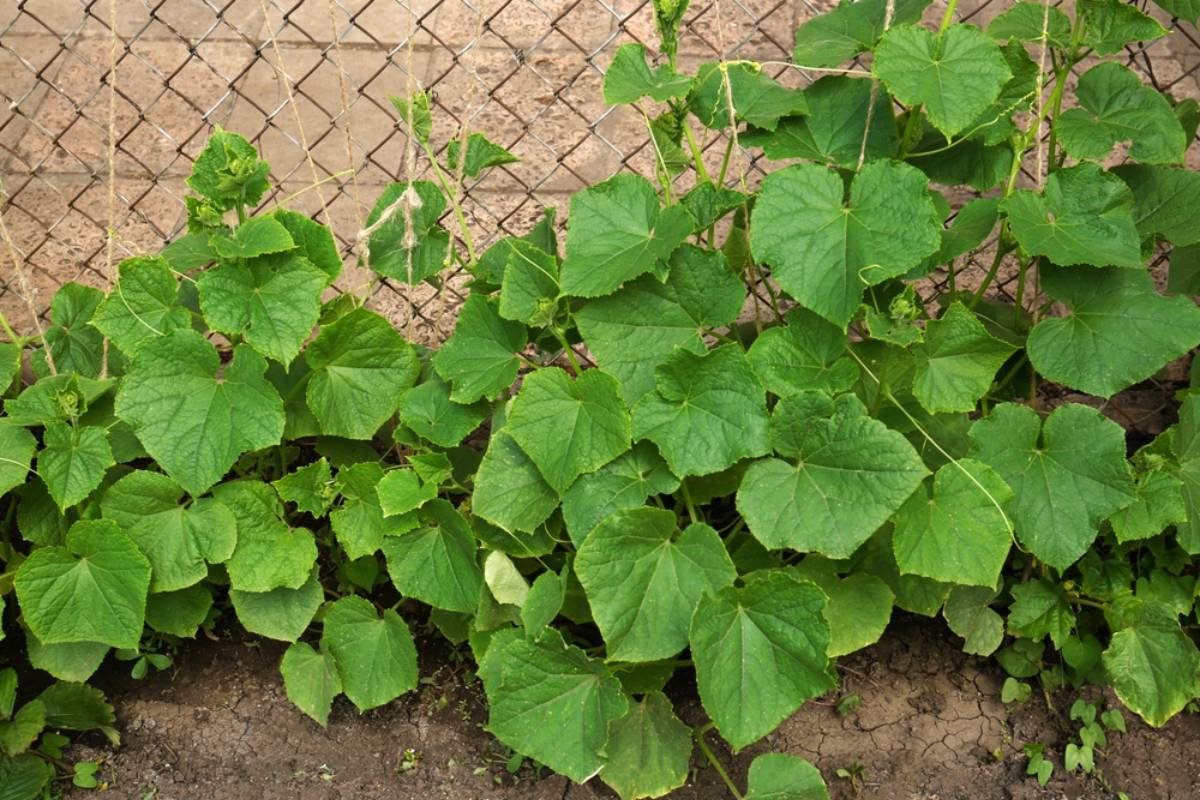
A person shared his story about a neighbor whose plant had grown so thick that it was hanging over the garden fence and into his own outdoor space. What might have looked like an attractive display of greenery from one side had become a rather inconvenient tangle from the other. The homeowner had already spent time clearing the growth himself, but the job was becoming increasingly difficult to manage.
The awkward part was that he actually liked his neighbor and wanted to keep things that way. The neighbor even looked after his cat when he was away, making their relationship more valuable than an ordinary wave across the fence. Now, he faced a gardening problem that had no obvious solution without risking an uncomfortable conversation.
The Plant Was Growing Faster Than His Patience
At first, dealing with the overhanging branches may have seemed like a simple weekend chore. Unfortunately, the plant was thick with twigs, making it far more demanding than a quick trim with a pair of garden scissors. What should have been a minor bit of garden maintenance had turned into a substantial task.
The homeowner explained that clearing the growth could take at least an entire day, especially because he did not own a hedge trimmer. That meant every new wave of overgrowth brought another round of tiring work. His neighbor might have been enjoying a thriving plant, but the person on the other side of the fence was paying for it in time and effort.
The Fence Became an Unofficial Gardening Boundary
Garden fences are supposed to provide privacy and mark the edges of outdoor spaces, but plants rarely respect those invisible rules. A vigorous shrub or climbing plant can stretch through gaps, spread across the top, and turn a neat boundary into a leafy obstacle course. Before long, the homeowner was dealing with greenery that seemed determined to claim part of his garden.
The tricky question was who should deal with the growth once it crossed the fence. The homeowner did not appear to want the plant removed or damaged, and he was not asking for his neighbor to redesign the entire garden. He simply wanted the overhanging growth kept manageable so that his own outdoor space would not become a permanent pruning project.
He Had a Good Relationship He Did Not Want to Lose
Some neighborly relationships consist of little more than exchanging greetings and collecting parcels when someone is away. This situation was different because the two homeowners already had a friendly arrangement that included looking after a pet. The original poster clearly valued that trust and did not want a few unruly branches to turn into a source of resentment.
That concern made a straightforward request feel surprisingly complicated. He could have complained about the plant or demanded that it be cut back, but neither approach seemed appropriate for someone he got along with. Instead, he wanted to find a polite way to explain the problem without making his neighbor feel criticized.
Asking for a Trim Felt More Awkward Than Doing the Work
There is something frustrating about spending hours fixing a problem that could potentially be prevented with a short conversation. Yet asking another person to change something in their garden can feel uncomfortable, especially when there has never been a disagreement before. The homeowner was caught between continuing the exhausting maintenance and risking a conversation he hoped would never become necessary.
He was not looking for an excuse to start a feud or accuse his neighbor of being inconsiderate. He simply wanted to know whether asking for a little help would cross a social boundary. Sometimes, the hardest part of maintaining a garden is not the physical work but figuring out how to talk about it with the person next door.
A Response From a Person Offered a Practical Perspective
A response from a person pointed out that, in many ordinary situations, homeowners can trim vegetation that overhangs onto their own property. That perspective suggested that the homeowner might be able to handle the problem himself, even if doing so was inconvenient. However, the fact that he could potentially take care of it did not necessarily mean he had to ignore the possibility of asking for help.
Another response from a person suggested approaching the neighbor with the understanding that the request was a favor rather than a demand. This distinction could make the conversation much easier because it acknowledged that the neighbor might not be obligated to do the work. Rather than turning the issue into a debate over responsibility, the homeowner could simply explain why the overgrowth had become difficult to manage.
The Neighbor Might Not Realize How Much Work He Was Creating
Plants can look completely different depending on which side of a fence someone stands. The neighbor might see a healthy, attractive plant thriving in his garden without realizing how many branches were spilling into the adjoining space. From his perspective, everything might appear perfectly fine.
That possibility offered a simple explanation for why the problem had continued without being addressed. The homeowner had already cleared the growth before, which may have made it seem as though the situation was under control. A friendly conversation could reveal that his neighbor had no idea the task was taking an entire day to complete.
Borrowing a Hedge Trimmer Could Be the Unexpected Solution
Sometimes, a gardening disagreement becomes much smaller once the right equipment enters the picture. The homeowner’s lack of a hedge trimmer was one reason the job had become so exhausting, particularly with the plant producing such a dense tangle of twigs. If his neighbor owned suitable equipment, borrowing it might make the maintenance considerably easier.
A response from a person even suggested asking whether the neighbor would be willing to lend a trimmer. That option could solve the immediate problem without requiring the neighbor to take responsibility for every branch. It might also turn an awkward request into an ordinary exchange between people who already got along well.
Offering to Help Could Keep the Conversation Friendly
Another possible approach would be to offer assistance rather than asking the neighbor to handle everything alone. The homeowner could explain that the plant was growing over the fence and ask whether they could arrange a convenient time to trim it back. If access from the neighbor’s side would make the work easier, the two could discuss that option together.
This approach would make the conversation feel more cooperative than confrontational. Instead of presenting the plant as something the neighbor had done wrong, the homeowner could treat the overgrowth as a shared practical problem. A little teamwork might even make the next gardening season less stressful for both households.
Some Gardeners Would Happily Trim Their Plants Themselves
A response from a person described having bramble bushes that regularly grew into a neighbor’s garden. Because the plants spread quickly, keeping every branch under control was not always easy, even when the gardener tried to manage them. That experience showed how an overgrown plant could create inconvenience without the owner deliberately ignoring the problem.
For a considerate gardener, learning that a plant was causing trouble next door might be enough to prompt a trim. The neighbor in this story could react in much the same way once he understood how much work the homeowner was doing. A polite request would give him an opportunity to help before a minor irritation became a bigger issue.
The Best Request Would Leave Room for a No
Even when neighbors are friendly, it helps to remember that asking for something and expecting it are two different things. The homeowner could explain the situation honestly while leaving the final decision to his neighbor. That would allow him to communicate his frustration without turning the conversation into a demand.
A response from a person emphasized that the homeowner should ask rather than insist. This advice suited the situation because there was no indication that the neighbor had intentionally caused a problem. Keeping the request relaxed and respectful would give their relationship the best chance of remaining as pleasant as it had been before.
Trimming the Overgrowth Could Protect Both Gardens
Overhanging plants can create more than an inconvenience when they are left to spread unchecked. Dense growth may make access difficult, obscure parts of a fence, or require repeated maintenance that becomes increasingly demanding. Regular pruning can help keep a boundary manageable while allowing the plant to remain a feature of the garden.
However, trimming should be done carefully because not every plant responds well to being cut at the wrong time or in the wrong place. The homeowner could ask his neighbor for advice about the best way to manage the growth, especially if he was unfamiliar with the species. That small detail could turn the conversation into a useful exchange about gardening rather than an argument over whose job it was.
Good Neighbors Sometimes Need Honest Conversations
The story highlights an awkward truth about living beside other people: even the friendliest relationships can produce small inconveniences. A plant can spread, a fence can need attention, and an everyday chore can quietly become a source of frustration. None of those things automatically means that either neighbor is behaving badly.
The homeowner’s hesitation also demonstrated how much he valued the relationship he already had. Instead of letting annoyance build until he finally snapped, he was considering how to raise the issue before it became a serious problem. That willingness to communicate could be more valuable to the friendship than pretending everything was fine.
The Real Test Was Never About the Plant
Ultimately, the homeowner’s question was less about whether a plant needed trimming and more about how to handle an uncomfortable request. He had a thick mass of greenery to deal with, limited equipment, and a neighbor he genuinely liked. The situation called for a practical solution, but it also required a little tact.
A friendly conversation, an offer to help, or even a borrowed hedge trimmer could make the problem easier to solve. There was no need to assume that asking politely would damage a relationship that had already proved useful and supportive. Sometimes, the best way to protect a peaceful garden is to have an honest conversation before the weeds of resentment begin to grow.