Homeowner Says His Neighbor Has Been Insisting for a Year That His Garden Compost Draws Rats, Then Was Caught Feeding Stray Cats the Exact Same Distance From Her Own Porch
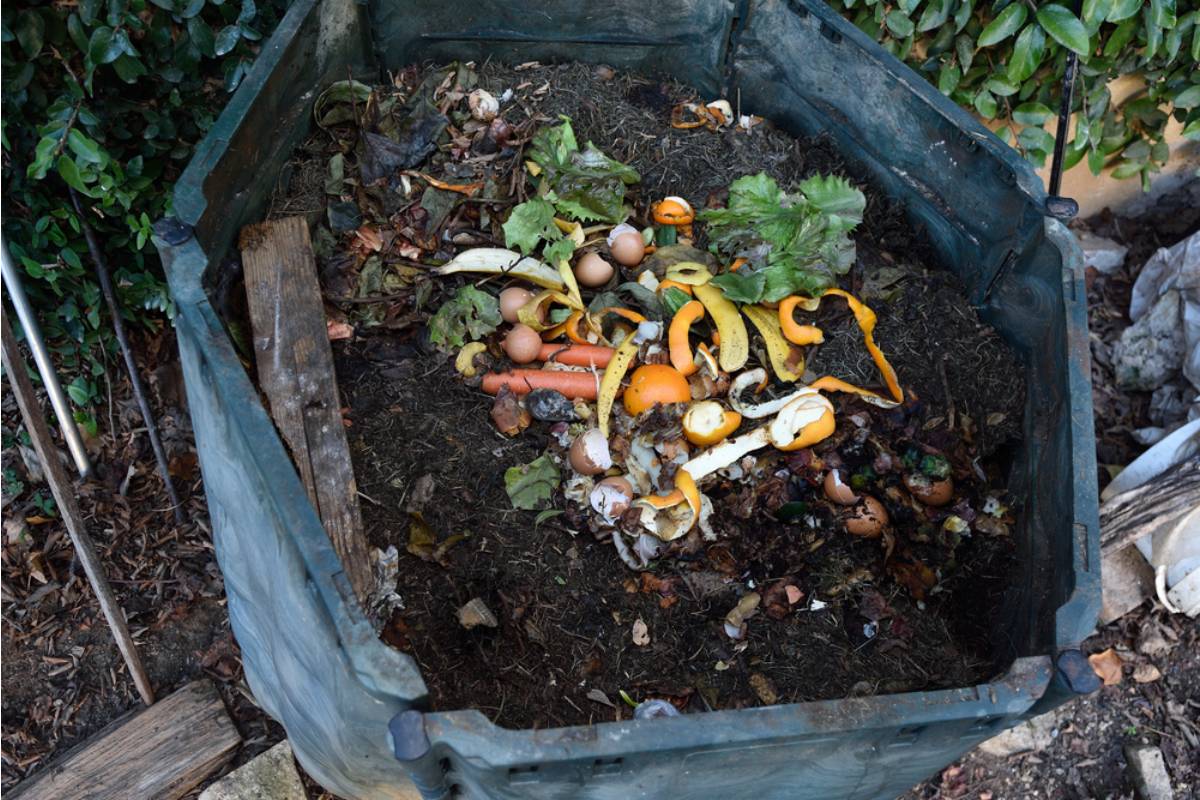
When I decided to build a compost bin in the corner of my backyard, I spent weeks researching how to do it correctly. I chose a sealed tumbler instead of an open pile, balanced food scraps with dry leaves, and avoided meat, dairy, and oily leftovers that could attract pests.
Composting became part of my weekend routine, and before long it supplied rich soil for my vegetable beds. I was proud that I had found a simple way to reduce household waste while improving the garden. Unfortunately, one neighbor believed the compost bin was responsible for every animal she spotted in the neighborhood.
The First Accusation
My neighbor, Carol, stopped me one afternoon while I was watering tomatoes. Without any greeting, she pointed toward the compost tumbler and announced that it was attracting rats to the street. She claimed she had seen rodents running near the fence several evenings that week.
I explained how the compost worked and even opened the lid to show there was nothing inside except decomposing leaves, vegetable peels, and coffee grounds. She barely looked before walking away convinced she was right.
Complaints Become Routine
Over the following months, Carol mentioned the compost almost every time we crossed paths. If she spotted a squirrel, she blamed the compost. If a rabbit crossed someone’s lawn, she blamed the compost. Every conversation somehow ended with another warning that I needed to remove it.
Several neighbors quietly told me they had never noticed any unusual pest activity. Still, the constant accusations became exhausting.
A Visit From the City
Eventually I received a notice that someone had reported a possible sanitation issue. A city inspector scheduled a visit to examine the compost system and check whether it violated local regulations.
I welcomed the inspection because I knew everything had been maintained properly. If anything, I hoped the visit would finally settle the matter.
The Inspection Ends Quickly
The inspector examined the compost tumbler from every angle. He checked the surrounding soil, looked for droppings, inspected the sealed lid, and asked what materials I placed inside.
After finishing, he smiled and complimented how well the system had been maintained. He explained that enclosed compost tumblers rarely created rodent problems when managed correctly. The complaint was closed without any violations.
The Rumors Continue Anyway
Even after the city dismissed the complaint, Carol continued telling neighbors that the inspector must have overlooked something. She insisted everyone should pressure me into removing the compost before the problem became worse.
Most people politely changed the subject. A few even asked me for composting advice because they were interested in starting their own gardens.
Strange Activity After Sunset
As summer continued, I noticed several cats wandering through the neighborhood every evening. At first I assumed they belonged to nearby families, but the number kept increasing.
One night I looked out the kitchen window and noticed several cats gathering near Carol’s front porch. They appeared to be waiting for something.
A Curious Observation
The next evening I happened to be trimming herbs just before dusk. Carol stepped onto her porch carrying two large containers. She carefully placed food into several bowls positioned beside a decorative flower bed.
Within minutes, six stray cats appeared from different directions. They ate together before wandering through nearby yards, including mine.
The Missing Piece Falls Into Place
As I watched the scene repeat itself over the following week, I realized something important. Carol had been feeding stray cats almost every evening for months.
The feeding station sat roughly the same distance from her porch as my compost tumbler sat from my own patio. The comparison immediately struck me because she had repeatedly claimed any possible wildlife activity near a house was unacceptable.
A Neighbor Shares Another Story
One afternoon another resident mentioned that Carol often complained about cats digging through her flower beds despite continuing to feed them. He admitted he found the situation confusing because her actions encouraged the very behavior she disliked.
Hearing that made me realize I was not the only one noticing the contradiction.
The HOA Meeting Changes the Conversation
During a homeowners association meeting, Carol once again raised concerns about my compost bin. Before I even had a chance to respond, another neighbor politely asked whether the discussion should also include regular feeding of stray animals throughout the neighborhood.
The room became noticeably quieter. Several residents admitted they had seen bowls of cat food outside Carol’s house on multiple occasions.
Facts Replace Assumptions
Rather than arguing, I simply shared the city inspection report confirming the compost met every requirement. Another neighbor explained that enclosed compost systems and outdoor pet feeding involved completely different situations but that both should be discussed using evidence instead of assumptions.
The conversation quickly shifted away from blame and toward practical neighborhood solutions.
An Unexpected Admission
After the meeting ended, Carol approached me privately. She admitted she had started feeding the cats after feeling sorry for one injured kitten that appeared outside her home months earlier. Before long, more cats had begun arriving every evening.
She quietly acknowledged that she had focused so much on blaming the compost that she never considered how her own routine influenced animal activity around the neighborhood.
Working Together Instead of Arguing
Rather than continuing the disagreement, several neighbors contacted a local animal rescue organization for advice. Volunteers helped trap, examine, and place several friendly cats into foster homes while arranging spay and neuter services for others.
Carol agreed to stop leaving food outside every evening and instead followed the rescue group’s recommendations. The neighborhood quickly became calmer without creating unnecessary conflict.
The Garden Thrives Again
With the arguments finally ending, I could once again focus on gardening instead of defending my compost bin. The compost continued producing rich soil that helped my tomatoes, peppers, and herbs grow better than ever. Several neighbors even built their own enclosed compost systems after seeing how effective mine had been.
Instead of being viewed with suspicion, composting gradually became another shared gardening topic within the neighborhood.
A Better Understanding Between Neighbors
Looking back, the disagreement lasted far longer than it should have because assumptions replaced honest observation. My compost bin had become an easy target simply because it looked unfamiliar to someone who did not understand how it worked. At the same time, Carol’s own habits quietly influenced the neighborhood in ways she had never considered.
The experience reminded me that solving problems begins with looking at every possibility instead of only the most convenient one. Good neighbors ask questions before making accusations, and lasting solutions come from cooperation rather than blame. Today the compost tumbler remains in the same corner of my backyard, quietly turning kitchen scraps into healthy soil, while the neighborhood has become a little more thoughtful about judging situations based on facts instead of first impressions.