Homeowner Says Her HOA Banned Permanent Garden Structures, So She Filled the Yard With Buckets Until the Vegetable Harvest Became Impossible to Ignore
A gardener had finally decided to bring vegetables back into the family routine after several years of putting the hobby aside. Their previous home had featured a large raised bed, but moving into a neighborhood governed by a strict HOA meant the old gardening setup was no longer an option. Then they discovered a particularly frustrating rule: permanent garden structures were prohibited.
At first, the rule seemed like an annoying inconvenience rather than a serious obstacle. The gardener assumed a few containers would be enough to grow tomatoes, peppers, herbs, and cucumbers. What started as a workaround, however, was about to become an increasingly ridiculous experiment in just how many plants could fit into a supposedly grass-friendly yard.
The First Buckets Arrived
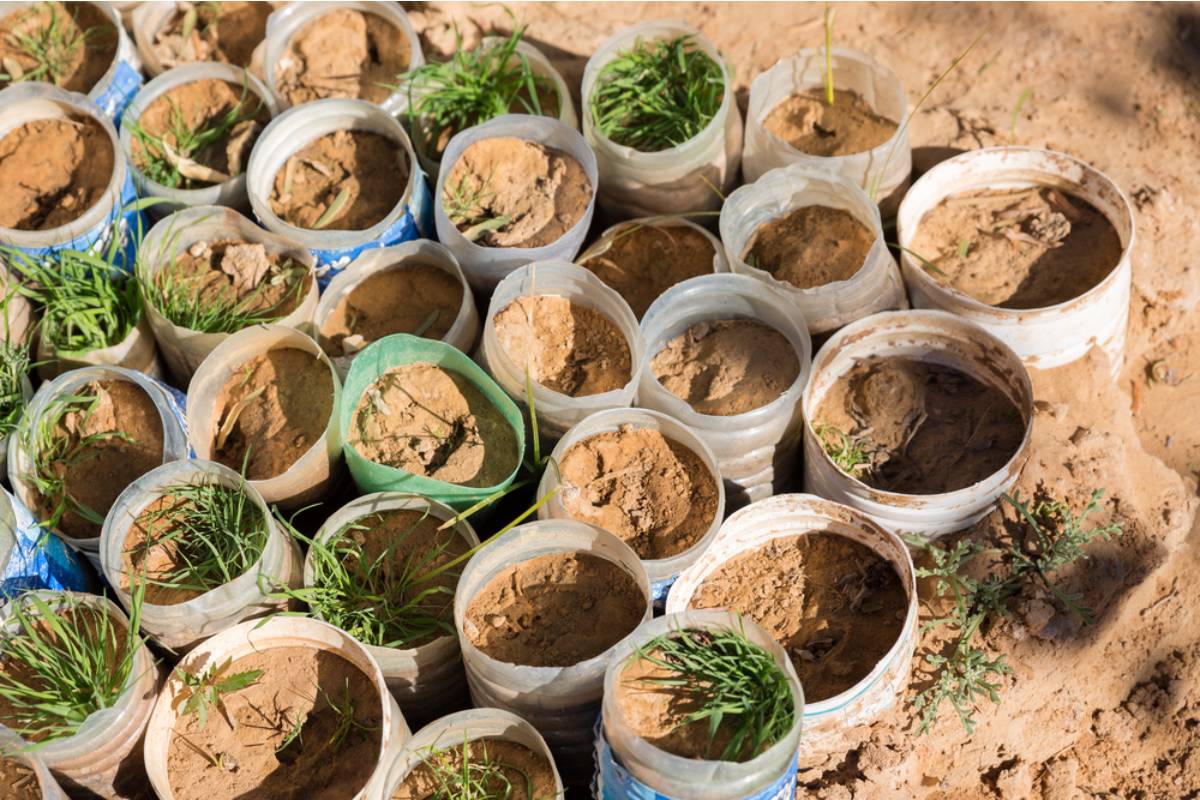
The gardener began with a handful of food-grade buckets and a few grow bags. Instead of digging up the lawn or installing traditional raised beds, they filled containers with soil and positioned them around the yard. The arrangement was technically temporary, movable, and completely different from the permanent structures the HOA disliked.
Then the plants started going in. Tomatoes took their places beside peppers, beans found homes in buckets, and herbs began occupying every spare corner. What looked like a modest container garden at first was quietly becoming something much larger.
The Garden Started Multiplying
A few buckets quickly became several dozen. The gardener discovered that five-gallon containers were surprisingly useful for vegetables, especially when they were free and easy to move around. Every time another empty bucket became available, another gardening possibility seemed to appear.
Before long, the collection reached 66 buckets, three grow bags, and two raised containers. There were six tomato plants across three varieties, roughly twenty bush beans, four cucumbers, sweet potato slips, onions, and plenty of herbs. The garden wasn’t merely surviving under the HOA rules; it was thriving while technically avoiding the forbidden structures.
Then Came the Pepper Collection
The pepper plants were where things became truly ambitious. Instead of settling for a couple of ordinary bell peppers, the gardener planted an assortment that included jalapeños, habaneros, and cayenne varieties. Suddenly, the yard looked less like a suburban lawn and more like a miniature agricultural experiment.
There was also basil, because apparently one kind of basil wasn’t enough. Regular basil and Thai basil both made the roster, leading to an amused response from a person who jokingly suggested adding yet another variety. The gardener admitted the suggestion only encouraged them.
Seven More Buckets Appeared
While most people might have considered 66 containers plenty, the gardener apparently saw the number as an invitation. Seven additional buckets were added in a single day. At that point, the collection wasn’t just a container garden anymore; it had developed its own momentum.
The gardener even confessed to having more containers waiting in reserve. The goal became reaching 40 five-gallon buckets by the following year, despite already having enough containers to make a very convincing argument that the experiment was getting out of hand. Fortunately, the buckets had cost nothing.
The Secret Was the Bakery
A person asked how the gardener was acquiring so many containers without spending a fortune. The answer was wonderfully simple: local bakeries connected to larger grocery stores were often willing to give away empty food-grade buckets. The gardener simply walked in and asked whether they had any available.
That discovery turned waste into gardening infrastructure. Containers that might otherwise have been thrown away were now holding tomatoes, peppers, beans, and herbs. The gardener had accidentally found a supply chain that made expanding the garden almost too easy.
Then Someone Mentioned Giant Basil
A response from a person introduced the gardener to a basil variety with unusually large leaves. The description was enough to spark immediate curiosity because the leaves were supposedly large enough to use almost like tiny wraps. Suddenly, the herb section of the garden had another contender.
The gardener had already admitted to growing two kinds of basil, so adding another seemed completely on brand. The garden was developing a strange pattern: every time someone offered another plant suggestion, the gardener treated it less like advice and more like a challenge. The HOA had created restrictions, but those restrictions were inadvertently creating a very enthusiastic container gardener.
The HOA Had Designed a Grass Problem
The gardener eventually explained that ordinary gardening wasn’t necessarily forbidden. The real issue was anything that removed too much grass for food production without a special plan, while raised beds required detailed approval. Decorative flowers were apparently much easier to accommodate than vegetables.
That distinction made the whole situation feel absurd. A homeowner could maintain an enormous ornamental landscape but needed additional permission to build a straightforward raised vegetable bed. The gardener decided that if the rules insisted on movable containers, movable containers were exactly what the yard would get.
A Person Suggested Going Native
Then a response from a person proposed an entirely different strategy: native plants and a registered butterfly habitat. The idea wasn’t presented merely as a way to grow food, but as a way to transform part of the yard into a habitat with ecological value.
The gardener immediately became interested in the possibility for the following year. Suddenly, the container garden had inspired a bigger vision that included native plants, pollinators, and perhaps a more intentional landscape. What began as resistance to an HOA rule was starting to evolve into a full gardening philosophy.
Someone Else Had Already Tried It
A person shared his story about using large tubs for trees and smaller containers for potatoes under similar restrictions. Instead of fighting the rule directly, he made sure everything remained technically movable. Eventually, the HOA allowed him to establish a much larger proper garden.
His story gave the gardener another reason to keep experimenting. Containers were no longer merely a temporary annoyance; they could demonstrate that productive gardening could look clean, organized, and attractive without creating permanent structures. The workaround suddenly seemed less like a joke and more like a possible path toward changing the rules.
The Neighbors Started Taking Notice
The gardener’s setup was visible mostly from limited angles, with much of it tucked behind fencing and shared green space. One nearby neighbor had already been offered vegetables as a diplomatic gesture. The arrangement had a simple philosophy: grow enough food that everyone has a reason to appreciate the garden.
That strategy seemed to be working. Nobody appeared eager to complain, especially when the result was tomatoes, peppers, cucumbers, herbs, and other fresh produce rather than an eyesore. The gardener had discovered that a good harvest can sometimes be a surprisingly effective peace treaty.
The Garden Became Bigger Than the Rules
The gardener had once worried that the HOA restrictions would effectively end their gardening hobby. Instead, those restrictions pushed them toward container gardening, edible landscaping, creative reuse, and experimenting with different crops. The limitations had accidentally produced a garden that was far more inventive than the old traditional raised bed.
The containers also offered one major advantage. If someone ever objected, the gardener could theoretically remove or rearrange them without demolishing a permanent structure or rebuilding the lawn. Every bucket carried plants and soil, but it also carried an escape plan.
The Grass Was Still There, Technically
From the HOA’s perspective, the important detail was that the garden didn’t look like a permanent installation. There were no massive structures anchored into the ground, no elaborate permanent beds stretching across the lawn, and no irreversible construction project. There were simply a suspiciously large number of containers sitting around.
That technical distinction became the heart of the entire story. The gardener wasn’t secretly ignoring the rules; they were following the language of the rules so literally that the result became almost comical. The HOA wanted temporary gardening, and the gardener was giving them temporary gardening on an industrial scale.
Then the Harvest Became the Punchline
By the time the garden included dozens upon dozens of containers, the original restriction seemed almost powerless. The yard was producing food from tomatoes, beans, cucumbers, sweet potatoes, onions, herbs, and an intimidating collection of peppers. What had started as a compromise had become a highly productive edible landscape.
The funniest twist was that the HOA had tried to prevent the appearance of permanent gardening structures, not the gardener’s enthusiasm. Instead of giving up, the homeowner simply found a way to make every part of the garden removable. And somewhere beneath the rows of buckets, basil, peppers, and tomatoes was a simple message the whole neighborhood could understand: sometimes the most stubborn garden is the one that refuses to put down roots.