Homeowner Says a Lawn Crew Was Told Exactly Where to Mow, Then Their Weed Whacker Erased Three Years of Strawberry Growth in One Afternoon
A person shared his story about finally getting close to the strawberry harvest he had been waiting years to see. After three seasons of carefully cultivating a dense patch in his Minnesota yard, the plants had filled out with dozens of mature strawberries, little runners, and fresh new growth. Then a lawn maintenance company arrived for its first mowing visit of the year and somehow managed to turn the entire patch into what looked like a freshly cleared piece of dirt.
The homeowner had already used the same company for a cleanup visit two weeks earlier, and that appointment had gone perfectly. During that visit, the different sections of the yard had been pointed out so the workers knew what needed special handling. Everything seemed fine until the regular lawn crew arrived and apparently had no idea what the previous team had been told.
The Strawberry Patch Was Finally Thriving
The strawberry patch had taken three years to reach the point where the homeowner expected a genuinely worthwhile harvest. It was not a tiny experiment with a handful of plants tucked into a corner. There were roughly sixty to eighty plants and shoots spread through the area, creating a thick patch that looked very different from ordinary lawn.
The homeowner had watched the plants slowly multiply and fill in season after season. This year was supposed to be the payoff for all that patience, with enough berries to make the entire project feel worthwhile. Instead, one landscaping visit threatened to erase years of gardening progress in minutes.
A Previous Cleanup Went Perfectly
Two weeks before the mowing incident, another part of the landscaping team had come to the property for a general cleanup. That visit gave the homeowner confidence because the workers apparently understood which areas were lawn and which areas were intentionally planted. The garden survived that visit untouched.
During the cleanup, the various sections of the yard were highlighted for the workers. The homeowner therefore assumed the information would remain part of the company’s notes or be communicated to whoever returned later. Unfortunately, the next crew seemed to have received a completely different version of the property.
Then the Lawn Crew Arrived
When the lawn team showed up, problems appeared almost immediately. The crew was reportedly missing basic information about the property, including the need for a push mower in part of the yard. The homeowner began to suspect that nobody had properly communicated the details from the previous visit.
The biggest misunderstanding, however, involved the strawberry patch. The mower seemed to avoid the area, suggesting that at least one worker recognized that something was different there. Unfortunately, the worker operating the weed whacker apparently did not receive the same message.
The Weed Whacker Does the Damage
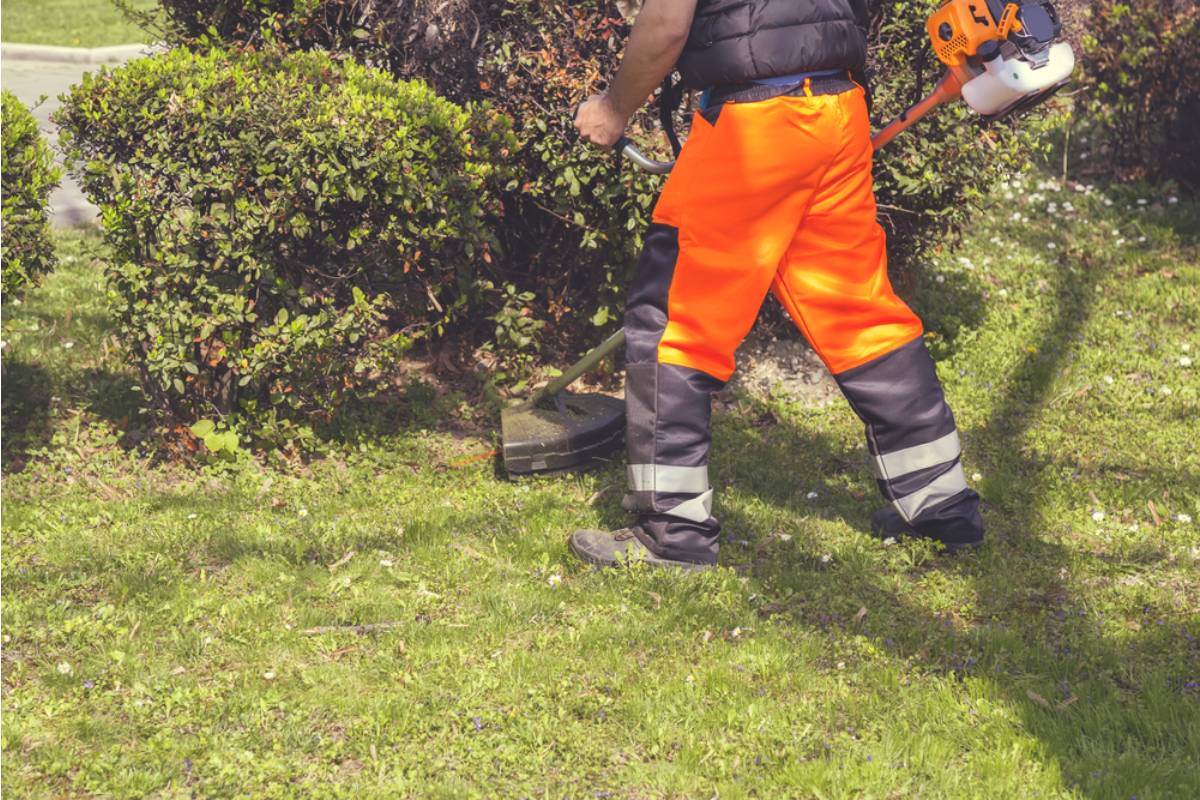
What happened next was devastatingly simple. Instead of carefully leaving the strawberry plants alone, the weed whacker passed through the patch and effectively clear-cut it. The nearby bush inside a rock bed was also damaged during the same visit.
The homeowner was stunned by how much plant material disappeared so quickly. Plants that had taken years to establish were suddenly shredded into pieces, while runners and fresh growth that could have produced future plants were left damaged across the ground. The equipment had done exactly what it was designed to do, just to the completely wrong plants.
The Crew’s Excuses Begin
After confronting the landscaping company, the homeowner expected an apology and an offer to replace the damaged plants. Instead, the conversation turned into a strange search for reasons why the company might not be responsible. Several explanations were offered, but none seemed convincing to the homeowner.
One argument was that the patch had not been labeled. Another was that it was located somewhere weeds would normally grow. Then came the question of why the homeowner had not spoken directly to the person holding the weed whacker.
The Missing Label Argument
The homeowner found the labeling argument especially frustrating. He believed the company had already been informed about the different yard sections during the earlier cleanup visit. The landscaping team had apparently received instructions about what needed attention, so he did not expect every individual worker to require a separate handwritten sign.
From his perspective, a professional landscaping company should have some system for communicating property-specific instructions. Otherwise, every new employee would simply be guessing which plants were intentional and which ones were unwanted. The homeowner began wondering why he was being asked to solve a communication problem created entirely inside the company.
Then They Blame the Location
The company also apparently suggested that the strawberries were growing in an area where weeds normally appeared. That explanation left the homeowner even more bewildered. The patch had been established for years, and the dense collection of strawberry plants should have looked noticeably different from random weeds.
There was another clue that made the explanation harder to accept. The mower operator reportedly avoided the patch rather than simply mowing through it. To the homeowner, that suggested the area looked unusual enough to attract attention, even if the weed whacker operator somehow missed the message.
The Weed Whacker Operator Had a Different Plan
The homeowner then learned that the person responsible for weed whacking may not have been the same person who had discussed mowing instructions with him. Apparently, the weed whacker operator had remained near the truck while the mowing employee handled the conversation. No one apparently thought the second worker needed the same information.
That tiny communication gap created the enormous garden disaster. One employee knew where the lawn should be handled, another worker apparently did not, and the strawberry patch ended up in the line of fire. The homeowner could hardly believe that something so avoidable had destroyed such a valuable section of his garden.
Three Years of Work Suddenly Looked Disposable
The homeowner kept coming back to the same point: these were not newly planted seedlings. The strawberry patch represented three years of care, watering, weeding, propagation, and patience. Even if some roots remained alive beneath the damaged foliage, the structure that had taken years to build had been severely disrupted.
That made the company’s proposed solution more complicated than simply replacing a few plants. Mature strawberry plants, runners, and established growth had value because they had already survived several seasons. Replacing them with small nursery plants might restore the number of plants eventually, but it could not instantly restore the years of progress.
Some Plants Might Still Survive
The homeowner was not completely convinced that the entire patch was dead. Strawberries are hardy plants, and he hoped some of the damaged roots and crowns might send out new growth. That possibility created an uncomfortable question about what the company’s responsibility should actually cover.
Was the damage limited to plants that eventually failed, or did the company owe something for plants that survived but lost a season of growth? And what about the berries the homeowner expected to harvest that year? Suddenly, a gardening accident had become a question about the value of something that had not even been picked yet.
The Expected Harvest Becomes Part of the Dispute
The homeowner wondered whether he could reasonably include the expected strawberry harvest when calculating his loss. He had invested years into building the patch, and this was supposed to be the season when it finally produced an appreciable amount of fruit. Losing that anticipated harvest felt like a real consequence of the company’s mistake.
But determining the value of a future harvest was much harder than counting dead plants. The amount of fruit would depend on weather, pollination, disease, and countless other variables. Even though the homeowner could reasonably expect a good crop, proving exactly how much it would have been worth was another matter entirely.
The Replacement Offer
Trying to settle the matter without escalating things, the homeowner offered the company money for replacement plants. He believed the amount was reasonable and may have even been less than the full cost of replacing what had been damaged. The offer was intended to end the situation rather than turn the mistake into a major dispute.
Instead of accepting, the company continued looking for reasons it should not have to pay. That frustrated the homeowner more than the original accident because he felt he had already offered a reasonable path forward. The discussion had shifted from fixing a mistake to arguing about whether the mistake had happened at all.
A Response From a Person Gives a Grim Assessment
A response from a person suggested that the homeowner should take whatever reasonable offer the company eventually made and then find a different landscaping service. The expectation was that the most realistic compensation would probably involve the cost of replacing the plants, perhaps along with the value of the lost harvest if circumstances allowed for it.
That response also reflected the practical reality of gardening disputes. Even when someone is clearly at fault, pursuing a large legal claim over a garden can cost more time and money than the plants themselves are worth. The homeowner was therefore left deciding whether principle mattered more than simply getting the patch growing again.
The Bush Was Damaged Too
The strawberry patch was not the only casualty. A nearby bush growing inside a rock bed was also apparently hit by the weed whacker. That detail made the homeowner even less comfortable with the company’s claim that the workers simply could not tell what was planted intentionally.
The more damaged plants he looked at, the more the visit seemed like a failure of basic attention. A professional lawn crew should presumably be able to distinguish between lawn, garden beds, rocks, and established ornamental plants. Instead, the homeowner’s carefully maintained landscaping had been treated like an obstacle standing in the way of faster work.
The Homeowner Starts Considering Legal Action
As the company’s explanations continued, the homeowner began thinking about involving a lawyer. His original hope had been to resolve the situation through a simple reimbursement for replacement plants. Once the company appeared unwilling to accept responsibility, however, legal options started looking more attractive.
He still wanted to know what the actual extent of the company’s liability might be. The question was not simply whether someone had damaged the plants, but whether compensation could account for mature plants that might die later, plants that recover partially, and a harvest that had been lost before it ever happened. The deeper he looked, the more complicated the strawberry patch became.
The Garden Was More Valuable Than It Looked
To someone unfamiliar with gardening, sixty or eighty strawberry plants might not sound like a particularly significant loss. But the homeowner knew what each season of growth represented. The patch had become dense because individual plants had multiplied, survived, and produced new runners over several years.
That meant replacing the patch was not as simple as counting how many plants were missing. The gardener had lost maturity, established root systems, expected fruit production, and the momentum built through years of cultivation. What looked like a weed-whacking accident from the sidewalk felt much larger from inside the garden.
The Company Had One Chance to Make It Right
At this point, the homeowner seemed less interested in revenge than accountability. He had already made a reasonable offer and wanted the landscaping company to acknowledge that its employee had made a mistake. A sincere apology and a practical replacement plan might have ended the dispute quickly.
Instead, every new excuse made the situation more frustrating. The homeowner began thinking that perhaps the real mistake was not cutting the wrong plants, but assuming the company would take responsibility once it was pointed out. That realization made the possibility of finding a new lawn service seem increasingly attractive.
The Twist Comes From Underground
Just when the strawberry patch looked completely ruined, there was one piece of uncertainty that kept the story from becoming a total gardening tragedy. The homeowner knew some strawberries might survive beneath the damage. Hidden crowns and roots could potentially produce new leaves and runners even after the visible foliage had been shredded.
That meant the lawn crew may have destroyed the harvest without necessarily destroying the entire garden. The homeowner could be facing a season of disappointing recovery rather than a permanent loss. And in the end, the strangest part of the story was that the plants might forgive the accident long before the homeowner forgave the company.