Homeowner Says a Massive Boundary Tree Started Damaging His Neighbor’s Property, Then a City Arborist Discovered Her Driveway May Have Damaged the Roots That Made It Dangerous
A mature tree can make a garden feel like a private sanctuary, offering shade, shelter, and the kind of character that takes decades to grow. But when that tree stands directly on a property line, even its roots can become the center of a neighborhood dispute. One new homeowner found himself caught between a neighbor demanding that a massive tree be removed and an expensive landscaping bill he had never planned to pay.
The twist came when a city arborist inspected the tree and identified something unexpected beneath the surface. The report suggested that roots had been cut or damaged during the installation of the neighbor’s driveway, raising questions about who should pay to remove the tree and who might be responsible if another branch fell.
A Beautiful Old Tree Became a Neighborhood Headache
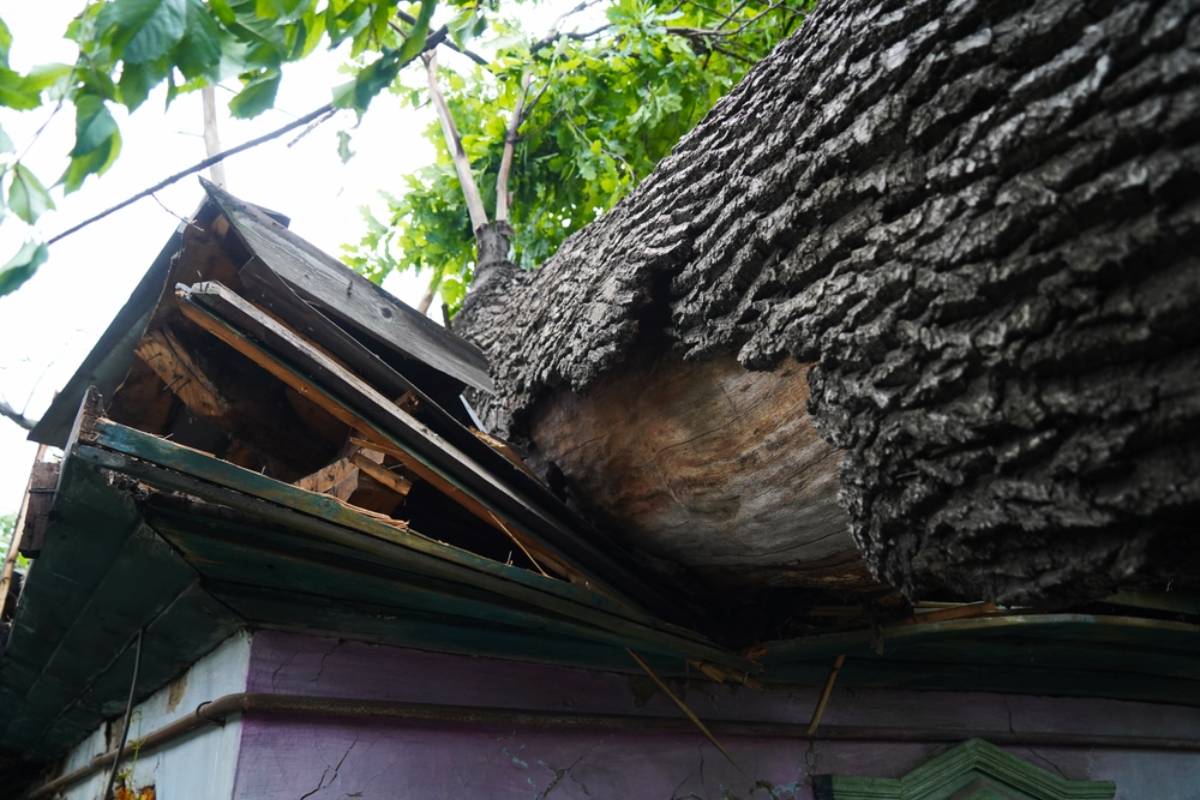
A person shared his story about a large, mature tree standing between his home and his neighbor’s property in Fulton County, Atlanta, Georgia. Although most of the trunk appeared to be on his side, roughly 20% extended across the property line, making the tree a potential shared responsibility. What might have looked like an ordinary backyard feature had become a source of tension because branches had been falling onto the neighbor’s house and car.
The homeowner had purchased the property about nine months earlier, and the falling branches had reportedly been a problem even before he arrived. Fortunately, he said there had been no new damage since he moved in, but the history was enough to make the situation uncomfortable. With a giant tree looming over nearby structures, neither homeowner could simply pretend the problem would disappear with the next change of season.
The Neighbor Wanted the Tree Gone
The neighbor reportedly said the tree had damaged her porch and prevented her from parking in her driveway. From her perspective, removing it could eliminate a persistent source of worry and protect her property from future damage. She also wanted the two homeowners to share the removal costs, turning the situation into a financial disagreement as well as a landscaping problem.
For the new homeowner, the request presented an awkward dilemma. He was not opposed to removing the tree, particularly because it appeared to have suffered damage, but he had other expenses to manage after buying a house. Paying for an expensive tree removal that he believed might have been made necessary by work on the neighboring property was hardly an appealing prospect.
A Formal Letter Added Pressure to the Situation
The neighbor had reportedly sent the homeowner a formal letter expressing concern about the tree and its history of damage. Unfortunately, the letter never reached him because of a postal delivery problem, leaving him to piece together the situation after the fact. He suspected the letter documented the damage she believed the tree had caused, but he could not rely on a document he had never actually received.
That missing letter made an already complicated situation even more uncomfortable. A homeowner dealing with a potentially hazardous tree needs clear information about the risks, the requested action, and any deadlines involved. Instead, the new owner found himself trying to resolve a dispute involving property damage, shared ownership, and a substantial bill without having received all the original correspondence.
The City Arborist Was Asked to Investigate
At the neighbor’s request, the homeowner completed the paperwork needed to have the city assess whether the tree qualified for removal as dead, dying, or hazardous. This was an important step because neither neighbor could determine the tree’s condition simply by looking at its branches. A professional assessment could help establish whether the tree was genuinely dangerous and what action might be appropriate.
The inspection produced a finding that changed the conversation. The arborist’s report approved a removal permit and mentioned that several structural roots had been cut or damaged near the neighboring driveway. Suddenly, the story was no longer just about a troublesome tree dropping branches over a property line.
The Roots Revealed an Unexpected Twist
The homeowner followed up with the arborist by email to clarify what the report meant. The arborist explained that the structural roots appeared to have been cut when the driveway was installed, suggesting that construction work might have contributed to the tree’s condition. According to the homeowner, the driveway had been installed before his neighbor moved into the property.
That distinction mattered because a tree’s roots are not merely underground plumbing for leaves and branches. Structural roots help anchor the tree and support its stability, so damage to them can affect its long-term health and safety. The report raised a significant question about how much the driveway work had contributed to the problem, although it did not establish who was legally responsible for the damage or the removal costs.
A Removal Permit Did Not Mean the Tree Had to Come Down Immediately
The arborist also clarified that the city had not ordered the tree to be removed. The permit was valid for six months from its issue date, giving the homeowner a limited window in which removal could be authorized under the permit. That left the neighbors with a decision to make rather than an immediate municipal order requiring them to cut down the tree.
For the homeowner, this created a difficult balance between acting responsibly and avoiding an expense he had not budgeted for. He was willing to let the tree be removed because he recognized that its condition was concerning. However, permission to remove a tree and an agreement to pay for its removal are two different matters, and the neighbors had not settled the financial question.
The Neighbor’s Driveway Became the Center of the Dispute
The driveway had existed before the neighbor moved into her home, so the homeowner was not accusing her of personally cutting the roots. Still, the arborist’s explanation raised the possibility that construction from years earlier had weakened a tree that was now causing trouble for both properties. That left an uncomfortable question: should the person who owns part of the tree automatically pay for removing it, even if damage to its roots may have contributed to its decline?
The homeowner was willing to cooperate with removing the tree, but he questioned whether sharing the expense was fair under the circumstances. The neighbor wanted the problem resolved, while he believed the report provided a reason to ask her to cover the cost. Neither position automatically settled the legal question, which would depend on the applicable rules and the full circumstances surrounding the tree.
A Tree on the Property Line Can Have Two Owners
The homeowner believed that because part of the trunk crossed onto his neighbor’s property, the tree might be jointly owned. That detail is important in Georgia, where a tree whose trunk straddles the property boundary can be considered jointly owned by the adjoining landowners. The University of Georgia Cooperative Extension’s guide to tree ownership explains why identifying the exact property line is an important first step in resolving these disputes.
However, shared ownership does not automatically answer every question about removal expenses or responsibility for damage. The history of the tree, the condition of its roots, any prior warnings, and the neighbors’ actions could all matter. What appeared to be a simple question about dividing a bill was turning into a much more complicated property dispute.
The Homeowner Was Not Refusing to Let the Tree Go
One detail made the situation different from the usual neighborhood battle over a beloved oak or maple. The homeowner was not insisting that the tree remain standing at all costs, nor was he trying to prevent his neighbor from making her property safer. He was prepared to give permission for removal, provided the financial arrangement did not leave him paying for a problem he believed might have been caused by earlier driveway construction.
That willingness to cooperate could potentially help the neighbors avoid a prolonged argument. After all, neither homeowner could undo the damaged roots, and another round of accusations would not make the tree healthier. The real sticking point was whether agreeing to remove the tree also meant agreeing to split the bill.
The Cost of Removing a Giant Tree Was No Small Matter
Large-tree removal can involve far more than bringing in someone with a chainsaw. Depending on the tree’s size and location, a professional crew might need specialized equipment, careful dismantling, traffic or access arrangements, and additional work to remove the stump. For someone who had recently bought a home, an unexpected expense of that kind could compete with repairs, maintenance, and other immediate priorities.
The homeowner had not said he would never contribute under any circumstances, but he did not consider the removal cost a priority he should automatically accept. He wanted the reported root damage considered before anyone decided who should pay. Without estimates and a clear agreement, even a neighborly compromise could quickly turn into a dispute over thousands of dollars.
A Permit Was Not the Same as a Legal Verdict
The city’s approval of a removal permit gave the homeowner permission to proceed under the applicable conditions, but it did not settle the neighbors’ financial disagreement. The arborist had also clarified that the city was not ordering the tree to be removed immediately. That distinction mattered because a permit addressing a potentially hazardous tree does not, by itself, determine which private party must cover every associated expense.
The neighbors would still need to consider the rules governing their shared tree, the documented condition of its roots, and the circumstances behind the damage. Atlanta’s tree ordinance contains specific provisions for boundary trees, including requirements that can affect their removal. Anyone considering the work would need to ensure that the necessary permissions and applicable city requirements were satisfied before a crew began cutting.
Then the Question of Future Damage Became More Urgent
The homeowner’s concern was not limited to the removal bill. If the tree remained standing and later dropped another large branch onto a house or car, he wanted to know whether he could be held responsible simply because part of the trunk was on his property. That possibility made the decision much more serious than an ordinary disagreement over landscaping expenses.
Georgia guidance explains that responsibility for tree damage can depend on whether an owner knew or reasonably should have known that a tree was diseased, decayed, or dangerous. The Georgia Attorney General’s Consumer Ed guidance on fallen trees discusses this distinction. Because an arborist had already inspected this particular tree, the homeowner had good reason to take the documented concerns seriously rather than assume that allowing the permit to expire would eliminate his risk.
The Neighbor Had Her Own Reasons to Want Immediate Action
From the neighbor’s perspective, the tree had already become a recurring problem, with branches reportedly falling onto her house and car and damage affecting her porch. Even if the driveway had contributed to the tree’s declining condition, that would not make the potential danger disappear. She wanted the tree removed and hoped to divide the cost rather than carry the entire expense herself.
It is easy to see how the two homeowners could arrive at different conclusions without either one necessarily being unreasonable. One was focused on preventing further damage and getting rid of a troublesome tree, while the other was focused on the evidence suggesting root damage and the fairness of the bill. Their disagreement was less about whether the tree was a problem than about who should bear the cost of solving it.
A Written Agreement Could Prevent Another Argument
A practical next step would be for both neighbors to obtain a written estimate from a qualified tree service and discuss the proposed work before making a financial commitment. They could also preserve the arborist’s report and email, along with photographs of the tree, visible root damage, and any documented property damage. Those records could help clarify what is known rather than leaving the decision to competing recollections.
If they reached an agreement, putting the terms in writing would be especially useful. The document could identify who authorizes the removal, who pays which expenses, and what work the contractor is permitted to perform on each property. Because the tree crosses the boundary, neither neighbor should assume that verbal permission alone resolves every ownership or permitting issue.
The Root Damage Could Matter More Than Either Neighbor Expected
The arborist’s finding was the biggest twist in the story because it introduced evidence that the tree’s condition might have been influenced by construction work. Yet the report did not establish precisely when the roots were damaged, who performed the work, or whether the driveway was the sole cause of the tree’s decline. Those unanswered questions could become important if the homeowners could not agree on the removal costs.
A qualified arborist could provide additional information about the tree’s present condition and the likely consequences of its damaged structural roots. A local attorney familiar with Georgia property and tree law could then assess how those findings might affect responsibility for the expense. The distinction between a suspected cause and a legally established cause could make all the difference in a disagreement like this one.
Neither Homeowner Could Safely Ignore the Problem
Even if the neighbors could not immediately agree on the money, the potential danger still deserved attention. A permit with a six-month validity period was not a guarantee that the tree would remain safe during that time, nor did the city’s decision to allow removal mean that waiting carried no risk. The homeowner had already learned enough from the assessment to understand that the tree’s condition required serious consideration.
The sensible approach would be to document the findings, communicate clearly with the neighbor, and seek professional guidance before making a final decision. If the tree posed an immediate threat, safety should take priority while the neighbors worked through the financial disagreement. Avoiding an argument today would not be much of a victory if another falling branch caused expensive damage tomorrow.
The Final Decision Came Down to Permission and Payment
The homeowner’s central question was whether he could consent to the tree’s removal without agreeing to pay half the cost. That is not something the permit alone could answer, and the fact that the tree stood across the property line made the situation more complicated. Any legal obligation would need to be evaluated under the relevant Georgia law and the specific facts, rather than assumed from the percentage of the trunk on either side.
For the same reason, refusing to contribute would not necessarily eliminate every possible liability concern if the tree remained standing and caused further damage. The arborist’s report and the history of falling branches could be important when assessing what each owner knew and what reasonable steps were available. Getting legal advice before taking a firm position would be more reliable than treating an online opinion as a definitive answer.
One Old Tree Turned a Garden Boundary Into a Costly Standoff
What began as a familiar backyard problem had become a dispute involving a mature tree, damaged roots, an expensive removal, and two neighbors who saw the fairest solution differently. The homeowner was willing to let the tree go, but he did not want to pay automatically for damage that may have been linked to the neighboring driveway. His neighbor, meanwhile, wanted the hazard gone and hoped that shared ownership would mean shared expenses.
The biggest unanswered question was whether the arborist’s findings would change the way the neighbors approached the bill. The tree could eventually come down, but that would not necessarily end the disagreement about who should pay. Sometimes, the most complicated part of maintaining a garden is not growing something beautiful; it is figuring out what happens when a decades-old tree becomes everyone’s problem and nobody wants the invoice.