Homeowner Says a Neighbor Complained About Her “Unnecessary” Vegetable Garden, Then Started Targeting Everything From Succulent Pots to a Covered Compost Bin
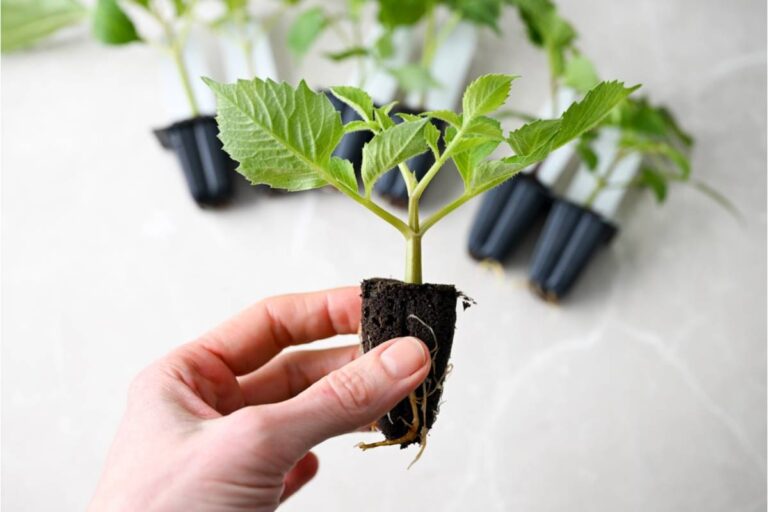
A person shared his story about a garden that seemed almost impossible to turn into a neighborhood problem. There was a small patch where visible vegetables were growing, along with a few succulents tucked into pots decorated with handmade crochet covers and frills. It was the sort of garden that sounded more charming than controversial.
But somehow, a complaint appeared anyway. The plants were described as “unnecessary,” leaving the homeowner wondering when growing food and caring for a few decorative plants had become something worth reporting. Suddenly, the peaceful little garden felt like the opening scene of a much stranger story.
The Vegetable Patch Became the Unexpected Villain
The vegetable area was not spilling onto anyone else’s land or damaging surrounding property. The plants were simply sitting where the homeowner had chosen to grow them, quietly doing what plants do best. Tomatoes, greens, herbs, or other vegetables can hardly be accused of plotting against the neighbors.
Yet the warning made the garden feel suspiciously important to someone nearby. Instead of worrying about overgrown weeds, broken fences, or actual damage, someone had apparently decided the existence of healthy plants was enough to raise an issue. The homeowner was left staring at the garden as if one of the lettuce leaves had secretly broken a rule.
Then There Were the Succulents With Tiny Outfits
The succulents added an entirely different personality to the yard. They were planted in pots wearing cute crochet covers and decorative frills that the homeowner had made by hand. What began as a simple way to make the space cheerful suddenly became another possible target for complaints.
There was something almost comical about the idea of decorative plant pots becoming neighborhood drama. These were not towering trees blocking windows or roots buckling sidewalks, just succulents sitting quietly in their little handmade outfits. Still, once the complaints started, even the smallest garden detail seemed capable of becoming part of the dispute.
The Homeowner Started Wondering About the Compost Bin
The next worry was not about a new plant at all. The homeowner began wondering whether the covered compost bin in the backyard could somehow become the next complaint. Composting is one of the most practical gardening habits around, but after receiving a warning about plants, it was easy to imagine trouble hiding behind every gardening project.
That uncertainty changed the way the homeowner looked at the entire backyard. Instead of planning what to plant next, there was now a question hanging over every corner of the garden. The compost bin had a cover, the plants were contained, and nothing appeared to be causing damage, yet the homeowner still wondered what might happen next.
A Pattern Was Beginning to Take Shape
The garden complaint did not seem to be an isolated incident from the homeowner’s perspective. The same neighbor had apparently complained about other aspects of life at the home, creating a growing sense that the garden was simply the newest reason to object. What looked like a dispute about plants was beginning to resemble something much broader.
That made the warning feel more stressful than it might have been on its own. A complaint about a vegetable patch is annoying, but repeated complaints can make someone start second-guessing ordinary parts of daily life. Suddenly, tending a garden was no longer just about watering seedlings and pulling weeds.
Even the Family Pets Had Been Dragged Into the Drama
The homeowner said the neighbor had also made allegations about the care of the household pets. That raised the stakes because a complaint about a garden can feel petty, while an accusation involving animals can become much more serious and frightening. The homeowner believed the allegations were false and said there was text evidence connected to one of them.
At that point, the garden story had wandered far beyond gardening. The plants were still sitting peacefully outside, but the surrounding conflict had started touching other parts of the household. It was becoming clear that this was not simply a disagreement about landscaping preferences.
Then the Baby Became Part of the Complaints
The homeowner also said that the neighbor had complained about their newborn crying. Babies, inconveniently for everyone involved, are not known for checking neighborhood schedules before making noise. Still, hearing that even a newborn’s crying had become part of the conflict understandably made the homeowner feel increasingly uneasy.
The combination of complaints created a very different atmosphere around the property. A person could no longer look at the garden as a harmless hobby completely separate from the neighbor dispute. Every new complaint seemed to add another layer to a problem that had started with a few perfectly ordinary plants.
The Garden Started Feeling Like a Target
One of the most revealing details was the homeowner’s growing fear that the neighbor might keep looking for reasons to complain. That concern made even harmless gardening activities feel risky. A person who once enjoyed checking on vegetables each morning could suddenly start wondering whether the next watering session might somehow attract another warning.
Gardening is normally associated with patience, routine, and a little bit of dirt under the fingernails. Instead, this garden had become wrapped in tension. The homeowner was not worried about pests eating the leaves, but about another person deciding the leaves themselves were the problem.
The Thought of Giving Up on the Home Finally Appeared
Eventually, the homeowner admitted that the situation had become so exhausting that renovating the property and renting it out had crossed their mind. That is a dramatic leap from worrying about vegetable plants, but it showed how deeply the ongoing complaints were affecting their feelings about the home. A garden that should have been a source of comfort was now part of a reason to consider leaving.
There is a certain irony in that. People often improve their yards because they want a place to feel more peaceful and personal, yet this homeowner was thinking about changing the entire future of the property because of repeated conflict. The vegetable patch had become a symbol of a much larger headache.
One Response Suggested Fighting Back With Paperwork
A response from a person took a practical approach and suggested checking local rules or speaking with an attorney. The idea was simple: find out exactly what the rules say instead of letting vague complaints determine what can stay in the garden. That advice shifted the focus from arguing in the driveway to understanding what was actually enforceable.
It was a sensible change in strategy because written rules can be much clearer than hostile looks or casual warnings. If the plants were permitted, the homeowner would at least have something concrete to point to. The garden could finally be treated like a garden again instead of a mystery wrapped in neighborhood tension.
The Complex Managers Had Not Made Things Easier
The homeowner explained that attempts to speak with the people managing the complex had not produced much help. Requests for assistance were apparently ignored, while face-to-face attempts to calmly discuss the situation were met with what the homeowner described as dirty looks. That left the homeowner feeling stuck between a difficult neighbor and a management system that was not stepping in.
For a gardener, that kind of uncertainty can be especially frustrating. Garden plans usually involve schedules, seasons, seedlings, and plenty of patience, not trying to decode whether someone in the complex office is going to respond. Yet the homeowner now had to spend energy dealing with a dispute that had nothing to do with whether the vegetables were growing well.
The False Allegation Became an Important Piece of the Puzzle
The homeowner said there was text evidence showing that the neighbor had contacted an animal welfare organization over what the homeowner considered a false allegation. Whether every part of the dispute would ultimately meet a legal definition of harassment was another question, but the existence of documented communication gave the homeowner something concrete to preserve. In a conflict built around repeated complaints, keeping records can become increasingly important.
That detail also changed the story’s shape. What first sounded like an absurd argument over plants now had a paper trail behind it. The garden may have been the thing that started this particular chapter, but the larger conflict appeared to have enough history to make documentation valuable.
The Homeowner Was Encouraged Not to Surrender the Garden
The strongest emotional response was a simple message telling the homeowner not to let the behavior take over their life. A response from a person encouraged them to continue enjoying their house, plants, pets, and family while also protecting themselves through proper channels. It was less about winning a neighborhood battle and more about refusing to let constant complaints dictate every decision.
That attitude fit the garden surprisingly well. Plants do not panic when someone complains about them, they simply keep reaching for sunlight. The homeowner may have been dealing with an exhausting situation, but the little vegetable patch and decorated succulents represented something ordinary and personal that did not need to become the center of the conflict.
Another Gardener Shared a Lesson About Keeping Records
The response also included a personal example about a neighbor who had taken property that had only been lent to them. Looking back, the person wished they had sent a registered letter because having formal proof of the communication might have helped recover the property or establish what had happened. It was a reminder that informal conversations do not always leave enough evidence behind when disputes become messy.
For this homeowner, that lesson fit perfectly with the garden situation. Friendly requests and face-to-face conversations had apparently gone nowhere, while saved messages created a clearer record. In a dispute that kept producing new chapters, documentation could be the gardening equivalent of putting a sturdy trellis beside a young climbing plant.
The Biggest Twist Was That the Plants Were Never Really the Whole Story
At first, the complaint sounded almost laughably simple: someone did not like the homeowner’s plants. But as more details emerged, the garden appeared to be only one part of a much larger neighbor conflict involving pets, a newborn, and repeated allegations. The surprising twist was not that the vegetables had somehow become controversial, but that the vegetables seemed to be the latest item on a much longer list.
That makes the story especially memorable for anyone who loves gardening. A tiny patch of vegetables and a handful of cheerful succulents can become far more emotionally significant when someone starts treating them as a problem. In the end, the plants were still just plants, quietly growing in their pots and garden beds while the human drama around them became increasingly complicated.
Sometimes the Quietest Garden Creates the Loudest Drama
The homeowner’s garden was filled with things that normally make a backyard feel welcoming: vegetables, succulents, handmade decorations, and a covered compost bin. Nothing about that list sounds like the beginning of a feud. Yet a single complaint opened the door to a story involving repeated accusations, strained relationships, and the possibility of leaving the property altogether.
Perhaps that is the strangest lesson hidden among the seedlings and crochet-covered pots. A gardener can spend hours thinking about soil quality, watering schedules, sunlight, and what to plant next, only to discover that the hardest problem in the yard has nothing to do with gardening. Sometimes the most peaceful-looking garden is sitting at the center of a storm that has been growing right alongside it.