Homeowner Says a Neighbor Grabbed a Chainsaw and Cut Her Tree Nearly in Half So They Could Paint Their House, Then Left the Remaining Weight Hanging Over the Family’s Cars
A person shared his story about a tree that had quietly become part of his family’s home life after they moved in back in 2019. It stood along the edge of the property, growing year after year without becoming much of a problem for anyone. Then one weekend, the tree suddenly became the center of a very unexpected neighborhood dispute.
The family had never imagined they would need to defend a tree from a neighbor with a chainsaw. From their perspective, it was simply one of those established garden features that belonged in the landscape. Nobody expected that familiar patch of greenery to look completely different by the end of a single afternoon.
Then the Tree Started Looking Very Different
According to the person who shared the story, the neighbor cut the tree almost directly in half. Instead of a careful trim, several branches were chopped away in a way that left the tree looking dramatically unbalanced. What had once been a full, ordinary tree suddenly looked like it had been attacked from one side.
The strange part was the reason given for the work. The neighbor reportedly claimed the branches made it difficult to paint the house properly, even though the person said the painting could have been done without such a drastic change. That explanation only made the situation more frustrating for the family.
Nobody Had Been Asked to Trim It
The family apparently was not given a chance to discuss the branches before the cutting happened. A simple conversation could have opened the door to arranging a proper trim with someone who actually knew how to handle a mature tree. Instead, the neighbor chose a much more dramatic solution.
That decision turned what could have been a routine gardening conversation into a full-blown problem. There is a huge difference between removing a few troublesome branches and taking a chainsaw to random sections of a tree. By the time the family realized what had happened, the tree had already been transformed.
A Chainsaw Was Apparently the Tool of Choice
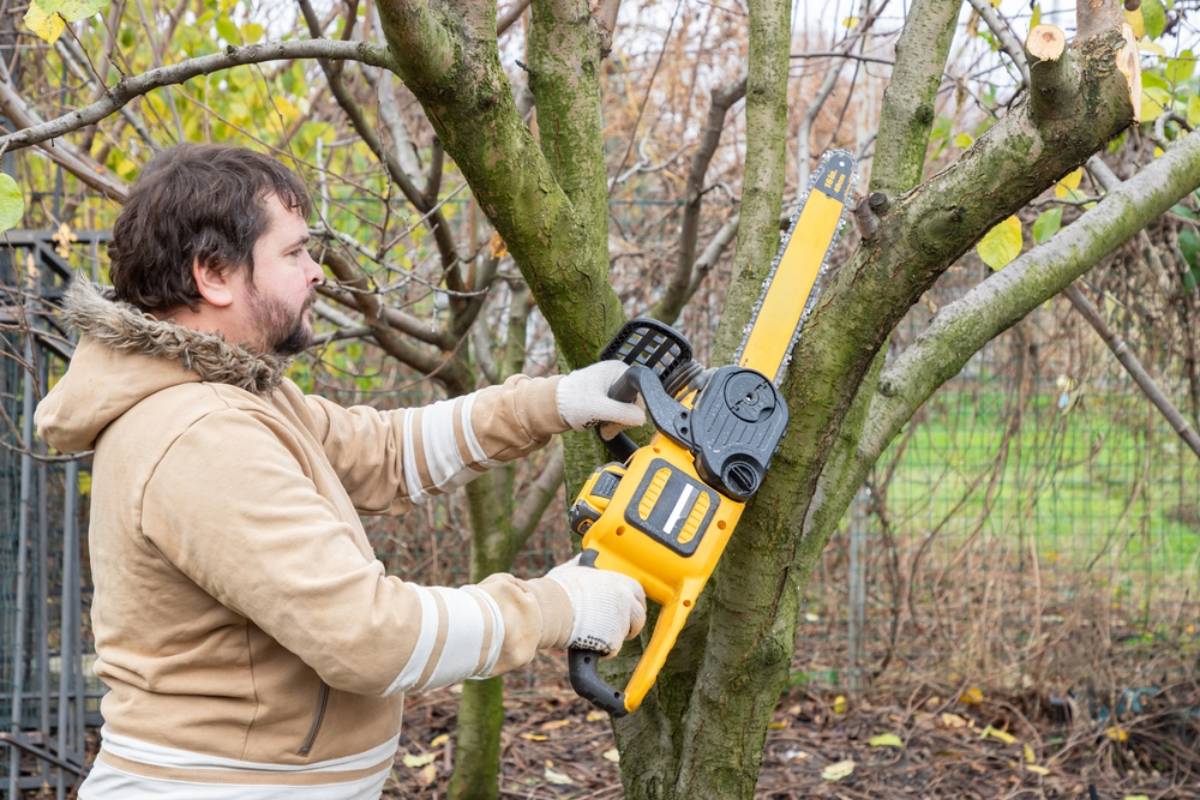
One of the details that made the story especially startling was how the pruning was handled. Rather than calling a professional gardener or tree specialist, the neighbor reportedly used a chainsaw and cut away branches without any apparent concern for the tree’s overall structure. To the family, it looked less like maintenance and more like an impulsive attack on the canopy.
That matters because trees do not always respond kindly to major, uneven cuts. Removing too much growth from one side can alter the tree’s shape and potentially create structural concerns. What looked like a quick fix for a house-painting problem could now become a much bigger gardening headache.
The Family Worried About the Tree’s Survival
The person who shared the story said the family was worried that their tree might not recover from the damage. They had watched it stand there since moving into the property, so seeing it suddenly reduced to a lopsided skeleton was understandably upsetting. Even if the tree eventually grows back, it may take years to regain its former shape.
His mother, however, apparently had a backup plan that was both practical and a little dramatic. She said that if the damaged tree died, she would replace it with another tree that was the same or possibly even worse for the neighbor. Suddenly, the argument was no longer just about what had already been cut.
Then Someone Pointed Out a Bigger Problem
A response from a person suggested that the tree might actually belong to the city rather than the homeowners. That possibility changed the entire situation, because trimming a publicly owned tree without authorization can lead to consequences far beyond an argument between two neighbors. The family suddenly had a reason to investigate who was legally responsible for the tree.
The suggestion also gave the story a twist. What had looked like a personal gardening dispute could potentially become a municipal issue involving rules, permissions, and fines. For the family, that was the first sign that their neighbor’s decision might come back to haunt them.
The Family Contacted the Municipality
The tree had reportedly been cut on a Sunday, and the timing made the situation even more frustrating. Even though it had happened outside normal working hours, the family did not simply shrug and move on. His mother contacted the local municipality and received a report number while she looked into the next steps.
That report became an important piece of the story because it meant the family had officially documented what had happened. They were not relying only on an angry conversation at the fence. Instead, they were starting a paper trail that could potentially matter if the tree’s ownership or the neighbor’s actions were investigated.
They Started Looking for More Help
The family also began considering whether a neighborhood council could help push the matter further. They believed the council had stronger connections with the municipality and might be in a better position to get attention on the complaint. What started with a tree suddenly involved several layers of local authority.
There was something almost ironic about the situation. The neighbor apparently wanted the tree out of the way so painting the house would be easier, but the decision may have created far more work than the original obstruction ever would have. A few branches had turned into a neighborhood issue involving phone calls, reports, and official channels.
The Tree Was Now Dangerously Unbalanced
The family had another concern that went beyond appearance. They explained that most of the remaining weight was now on their side, creating worries about what could happen if the tree became unstable. With cars parked nearby, a damaged or poorly balanced tree could become a serious property hazard.
That meant the family could not simply wait around to see whether new branches eventually appeared. They were now watching a tree that had been dramatically altered without their input. The neighbor’s attempt to solve a painting problem had potentially shifted the risk in the opposite direction.
One Response Took a Much More Relaxed View
Not everyone saw the situation as a disaster. A response from a person suggested that the tree would probably grow back, treating the damage as an unfortunate but temporary change. From that perspective, the dramatic haircut might simply become an ugly phase before the tree recovered.
The family, however, saw the issue differently. Their frustration was not only about whether the tree would survive or regrow. They were upset because the neighbor had made the decision without asking them, and because the drastic cutting may have created a new safety concern.
Another Question Was Harder to Answer
Another response from a person raised a more awkward point: how could the family prove that the neighbor had actually done the cutting? It was a fair question because neighborhood disputes can quickly turn into competing stories when nobody witnesses the moment directly. The physical evidence, however, appeared to be hard to ignore.
The person sharing the story pointed out that a large portion of the cut tree was sitting directly in front of the neighbor’s house. That detail certainly seemed to make the situation more suspicious. There was suddenly a very obvious trail connecting the freshly cut branches to the property next door.
The Cut Branches Were Practically a Clue
In a strange way, the tree itself may have been telling the story. The branches reportedly ended up right where the neighbor lived, making it difficult to overlook what had happened. Instead of carefully hiding the evidence, the aftermath seemed to be sitting in plain sight.
That made the entire episode feel almost like a backyard mystery. The family had the damaged tree, the piles of branches, and a neighbor who had already offered a reason for the cutting. Now the question was whether the matter would remain a personal disagreement or become something much more official.
The Garden May Be Fine, but the Relationship Is Another Story
A mature tree can sometimes recover from significant pruning, depending on its species, health, timing, and the severity of the cuts. But even a healthy recovery would not erase the tension created by the incident. The family now has to look at a badly altered tree and remember that it happened because someone else decided to solve a problem their own way.
The neighbor may have wanted a cleaner path for painting, but the result seems to have delivered anything but peace and quiet. Instead of a quick landscaping adjustment, the family ended up worrying about the tree’s health, its balance, nearby vehicles, and possible municipal consequences. The whole thing became a lesson in how one careless decision in a garden can grow into a much larger neighborhood problem.
And Then Came the Final Twist
The most surprising part of the story may be that the tree is not necessarily finished. The family hopes it survives, and even if it does not, his mother has already imagined replacing it with another tree that could make the situation even more interesting. What began as one neighbor trying to clear branches for a paint job could eventually result in an entirely new tree standing in the same area.
For now, the family is left waiting to see how the damaged tree responds. They have made a report, started looking into local help, and raised concerns about the tree’s safety and ownership. In the meantime, one thing is clear: the neighbor may have thought he was simply picking up a chainsaw to make painting easier, but he may have accidentally planted the seeds of a much bigger gardening battle.