Homeowner Says a Neighbor Turned Her Garden Into a Free Weekend Retreat, Then Started Sending Complaints About Everything From the Bins to the Wildlife
A person shared his story about trying to help a neighbor who claimed that constant noise from another resident was affecting her health and making it difficult for her to sleep. The homeowner had his own problem at the time because his cat was seriously ill and receiving treatment at an animal hospital. Hoping to make the arrangement useful for both of them, he offered the neighbor occasional access to his home while he was away.
The arrangement was supposed to be simple and temporary. She could stay on certain nights when the noise became unbearable, and in return she would feed the cat when needed and handle some light chores around the house and garden. It sounded like a neighborly compromise, but the homeowner would soon discover that one person’s idea of “occasional access” could apparently include treating somebody else’s home like a second residence.
The Garden Had Its Own Appeal
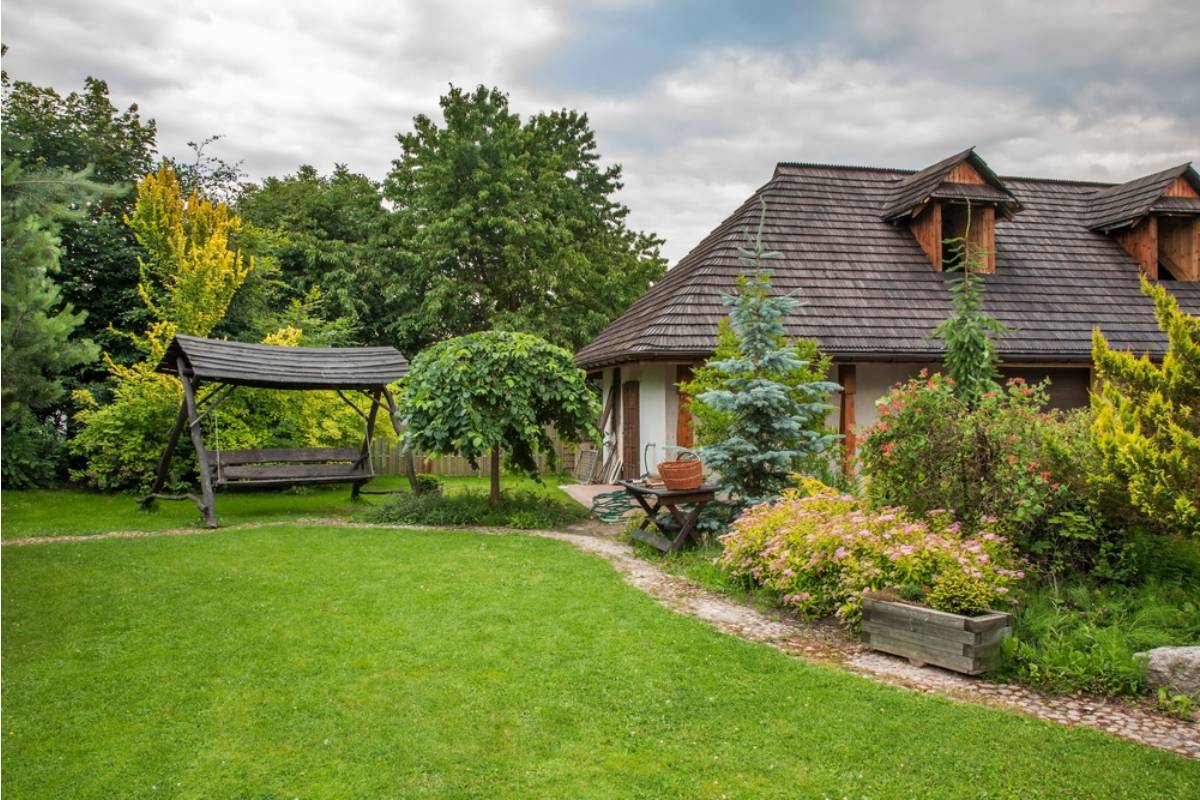
The homeowner’s property was particularly attractive because it had a garden, something the neighbor’s own home apparently did not offer in quite the same way. That garden became an unexpected part of the problem as soon as the neighbor realized she could enjoy the property whenever the homeowner was away. What had been offered as a quiet place to sleep slowly began turning into something much closer to free use of the entire home.
The homeowner had specifically explained that she could enjoy the property on the nights when she actually needed somewhere to stay. There was no suggestion that she had unlimited access during the day or could treat the place as her personal garden retreat. Yet once the homeowner left town, those boundaries seemed to become remarkably flexible in the neighbor’s mind.
The First Weekend Raised Questions
During the first weekend, the neighbor began contacting the homeowner constantly. She complained about noise from other residents, criticized the condition of the garden fence, and somehow decided to carry out small do-it-yourself jobs using the homeowner’s tools and materials. When the homeowner returned, she apparently suggested some of the work now needed to be redone.
The strange part was that none of these garden projects had been requested. She had effectively turned up at somebody else’s property, decided that things needed fixing, used the available supplies, and then left the homeowner with more work. It was becoming clear that her version of helping was considerably different from his.
Then the Mice Appeared
Things became even stranger when the homeowner discovered mice in the property for the first time. A response from a person later pointed out how bizarre it was that someone could stay in another person’s home, create disruption, and somehow leave behind an entirely new problem. The garden and doors were supposed to be managed carefully to prevent wildlife from wandering inside.
Instead, the neighbor apparently had little interest in following those instructions. She wanted fresh air and freedom to move around the property, even when that meant leaving access points open. Before long, the homeowner was dealing with the consequences whenever he came home.
The House Was Supposed to Be Cleaner
Cleaning was part of the original understanding, so the homeowner expected the place to be reasonably restored after each stay. The neighbor did vacuum the house, which initially sounded promising. Unfortunately, she apparently left bins unemptied, cups unwashed, moved belongings scattered around, and items she had used still sitting where she had left them.
The homeowner had to spend time putting his own home back into order after driving for hours to return. It was not exactly the peaceful homecoming he had imagined. The vacuuming may technically have counted as cleaning, but it was hardly enough to make the arrangement feel worthwhile.
The Second Weekend Was a Mistake
Despite everything that had happened, the homeowner agreed to another weekend because he wanted to avoid creating open warfare with a neighbor. Sharing a building meant they would continue seeing one another, and he did not want every communal space to become a battlefield. Unfortunately, his attempt to keep the peace was interpreted as permission to continue the arrangement.
Before the homeowner had even properly left the city, the complaints began again. He finished his college class and returned to several missed calls and a stream of angry messages accusing him of failing to make various arrangements. The neighbor calmed down only after realizing that making too much trouble could cost her access to the property.
The Garden Door Became a Problem
One of the homeowner’s clear instructions was to keep the garden door closed because he was trying to stop mice from getting into the property. It was a simple request that should have required almost no effort. Instead, the neighbor apparently preferred leaving it open because she enjoyed the breeze coming through the home.
The irony was difficult to miss. She was supposedly staying there because she needed a place to sleep when the noise became unbearable, but she also claimed the mice made her uncomfortable. Yet she continued spending time inside the property while leaving the very access point that could allow more mice inside.
Then Came the Most Obvious Question
Eventually the homeowner had to ask why she was even in his home when she was not sleeping there. According to her interpretation of events, the original arrangement had apparently given her something resembling free rein over the property whenever he was away. The homeowner was stunned because that was absolutely not what he had offered.
The garden seemed to have become part of this imagined entitlement. She could walk around, enjoy the property, use household items, make changes, and generally behave as though the home was an extension of her own space. The homeowner was beginning to realize that he had not offered temporary shelter at all in her mind.
The Weekend Turned Into Customer Service
Things reached another level while the homeowner was away attending a family event that had already cost him around £200 in travel and accommodation. Instead of enjoying the trip, he started receiving lengthy streams of messages about problems around the property. The neighbor complained that the rubbish bin smelled, that other residents were having another party, and even that the wildlife in the garden was being too bold.
The number of messages made the situation feel less like a neighborly arrangement and more like an angry customer calling hotel reception. The homeowner could barely enjoy the event because his phone kept filling with complaints about a property he was not even occupying at the time. Eventually, he muted the messages because there was nothing productive left to say.
Even the Key Became a Problem
When the homeowner returned to his hotel, he found yet another message waiting for him. The neighbor had apparently left the property key in the communal hallway where other residents could access it. Instead of simply returning it securely as requested, she had created another problem for the homeowner to solve.
Her explanation also seemed to continue the pattern of misunderstanding his instructions. Things that had been clearly discussed were suddenly presented as though they had never been defined. The garden door, the key, and the boundaries of the arrangement all seemed to become mysteriously ambiguous whenever following them would inconvenience her.
The Neighbor Started Complaining About Her Own Free Stay
The most ridiculous complaint may have been the one about the bin. The neighbor was staying in the home without paying for accommodation, yet she was upset because one of the property’s bins smelled unpleasant. A response from a person summed up the obvious solution rather bluntly: simply empty the bin.
That was supposed to be one of the ordinary household chores included in the arrangement. Instead, the neighbor turned the problem into another complaint about the homeowner’s failure to appreciate how much she was supposedly helping. Somehow, she had managed to spend time in someone else’s home and still position herself as the person being inconvenienced.
Then the Real Problem Came Out
Eventually, the homeowner learned something that changed the entire situation. The neighbor had admitted that her availability did not even match the dates when she was supposed to be feeding the cat. In other words, the original reason for granting her access was falling apart.
That revelation made all the earlier behavior look even more suspicious. She had been getting access to the home, using the garden, enjoying the space, carrying out unsolicited jobs, and sending endless complaints, while the actual pet-care arrangement was becoming increasingly irrelevant. The homeowner had accidentally created a much better deal for her than the one he originally intended.
The Garden Became a Free Holiday Spot
The homeowner eventually realized that he could simply pay other people to do the tasks properly. A cleaner could come in for a relatively modest fee and leave the house genuinely tidy. A handyman could be hired for actual repairs without rummaging through the homeowner’s tools and materials before announcing that the finished job needed fixing again.
The garden made the comparison even easier. Instead of having an unpredictable neighbor wandering around and opening doors, he could arrange specific professional help whenever something genuinely needed attention. The supposed favor had become more trouble than it was worth, and the homeowner finally stopped pretending otherwise.
The Final Messages Changed Everything
Before the arrangement ended, the neighbor continued sending messages about the property as though she were responsible for managing it. She complained about smells, noise, wildlife, and other ordinary features of somebody else’s home and garden. The homeowner finally told her to leave and stopped engaging with the endless stream of complaints.
Then something remarkable happened. Once she was out, the property became quiet again. The homeowner had no more messages demanding attention, no more unexpected garden visits, and no more mysterious complaints about conditions that she was perfectly capable of handling herself.
The Homeowner Finally Took Back His Space
The homeowner eventually blocked the neighbor, at least temporarily, after the exhausting experience. She had already returned the key, and there was no longer any practical reason to continue the arrangement. The home and garden were once again his responsibility, which turned out to be far less stressful than managing someone who insisted she was helping.
A response from a person suggested the obvious next step was making sure the neighbor could never simply wander back into the property. That advice highlighted the lesson the homeowner had learned the hard way: generosity without firm boundaries can turn a favor into an open invitation.
The Twist Was Hiding in the Original Favor
Looking back, the strangest part of the entire story was not the complaints or even the garden. It was the fact that the homeowner had offered the arrangement because he genuinely wanted to help someone who appeared to be struggling. He believed he was creating a mutually beneficial solution, giving the neighbor a quiet place to stay while receiving help with the home when necessary.
Instead, the neighbor gradually transformed a limited favor into something resembling permanent access whenever the homeowner was absent. She complained about the very home she was being allowed to use, criticized the garden, created extra work, ignored instructions, and still believed she was the generous one. The homeowner finally understood that the real problem was never the noisy neighbors, the mice, the bins, or the wildlife in the garden.
Peace Returned to the Garden
Once the arrangement ended, the silence was almost suspiciously pleasant. There were no more frantic messages about the garden, no more complaints about bins, and no more arguments over why a door needed to remain closed. The homeowner could leave town knowing that his home would still be his home when he returned.
The experience left him with a lesson that gardeners may understand especially well. A garden can be shared, cultivated, visited, and enjoyed, but boundaries still matter just as much as they do with fences and property lines. In the end, the best thing the homeowner planted was not a flower or vegetable, but a firm boundary that finally stopped the neighbor from treating his home as her own.