Homeowner Says a Rotten Maple Had Become Too Dangerous to Keep, Then Watched a Confused Squirrel Return to the Stump Looking for His Lost Home
A person shared his story about a massive maple tree that had become one of the most memorable features of his backyard. It was big, beautiful, and constantly filled with the sounds of birds, squirrels, and all kinds of little creatures moving through its branches. For years, it looked like the kind of tree that made a garden feel complete.
The maple was not just decorative, either, because it had quietly become a miniature wildlife neighborhood. Squirrels scampered across its limbs while birds visited throughout the day, and the thick canopy gave the yard a peaceful, natural feeling. From a gardening perspective, it seemed almost impossible to imagine the space without it. Unfortunately, appearances were hiding a serious problem.
Then the Trunk Told a Different Story
The trouble began when the homeowner discovered that the tree was badly rotten through the trunk. What had looked sturdy from the outside was actually becoming dangerously weak inside, creating a real possibility that a major limb or the entire tree could come crashing down. With the house sitting nearby, keeping the maple in place was no longer a simple matter of preserving a beloved garden feature.
The decision was painfully practical, but it still felt like betraying an old friend. The homeowner knew the tree had to come down before the next storm or strong wind made the choice for him. So, despite all the wildlife that depended on it, the maple was cut down. Suddenly, the backyard looked completely different.
A Garden Went Quiet in a Matter of Hours
Once the tree was gone, the empty space created a strange silence. The giant canopy that had shaded the yard disappeared, leaving behind a stump and a patch of sunlight where there had once been a leafy roof. Even though removing the tree was necessary, the backyard seemed to have lost part of its personality overnight.
For the homeowner, the hardest part was knowing that the tree had been more than wood and branches. It had been shelter, food, shade, and a familiar landmark for creatures that had no idea why their world had suddenly changed. The person had protected the house, but emotionally, it did not feel like a victory. Then one small visitor arrived and made the situation much harder.
The Squirrel Came Back Looking for Something
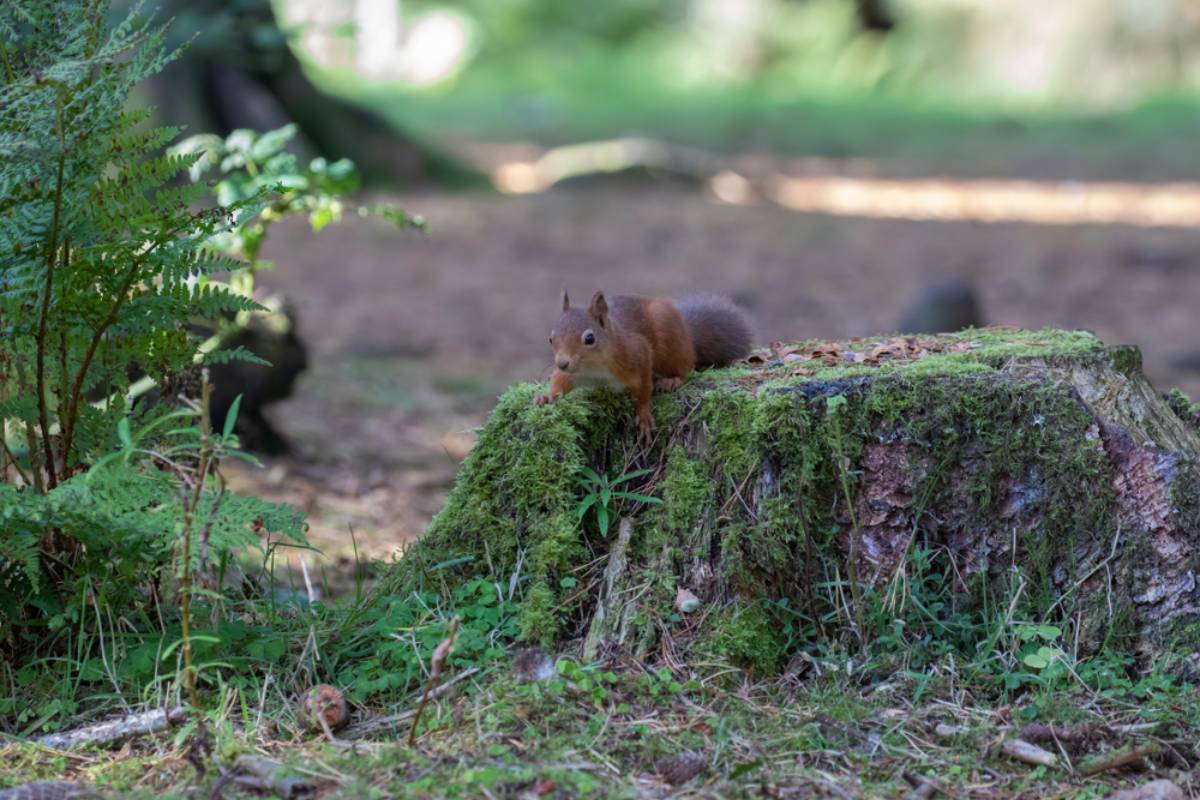
Only a few hours after the maple disappeared, a squirrel wandered into the backyard. It approached the stump and moved around the area as though something about the scene simply did not make sense. The animal seemed to be searching for the tree that had always been there.
The homeowner watched the squirrel investigate the unfamiliar landscape and became overwhelmed with emotion. Seeing the little animal looking confused made the tree removal feel much more personal. What had been a necessary gardening decision suddenly looked like the destruction of somebody else’s home.
The Stump Became the Saddest Part of the Yard
The squirrel stayed around the stump for a while, wandering back and forth and apparently trying to figure out where everything had gone. The homeowner admitted that the sight was devastating enough to bring on a full emotional breakdown. It was impossible not to imagine the squirrel expecting to find the familiar branches above him.
There was also a painful irony to the situation. The homeowner had removed the tree because it could eventually fall and hurt people or animals, yet the immediate result looked heartbreaking. In the middle of a backyard that had just been made safer, one confused squirrel made everything feel worse. The guilt was almost impossible to shake.
The Homeowner Started Feeling Like a Tree Murderer
In the heat of the moment, the homeowner jokingly gave himself a dramatic title: an evil tree murderer. It was clearly coming from guilt rather than cruelty, because the decision had been made to prevent a dangerous tree from collapsing. Still, gardeners know that removing a mature tree can feel surprisingly emotional even when it is the responsible choice.
Trees become part of a landscape’s identity in ways that are hard to measure. People remember where they sat under the shade, where birds gathered, and where the first autumn leaves used to fall. Once the trunk is gone, all of those memories remain, but the living centerpiece does not. That made the squirrel’s reaction sting even more.
A New Sapling Was Already Part of the Plan
The homeowner did not want the backyard to remain empty forever. He planned to plant a new sapling in place of the old maple and eventually give the garden another tree to grow around. Of course, a tiny young tree could not possibly replace a huge mature maple right away.
That was the frustrating part of gardening. A mature tree can take decades to become what a gardener hopes it will be, while removing one can happen in a single afternoon. The homeowner understood that the new sapling would be a long-term investment rather than an immediate solution. For the squirrel, however, the timeline was probably much less comforting.
A Response From a Person Changed the Perspective
A response from a person offered a different way of looking at the situation. Instead of seeing the removal as destroying an animal’s home, the person pointed out that allowing the rotten tree to remain could have put the squirrel in even greater danger. If the trunk failed unexpectedly, the wildlife living around it could have been injured along with anyone nearby.
That response introduced an important twist to the story. The homeowner had been focusing on what was lost, while someone else was pointing toward what had potentially been prevented. Suddenly, the tree removal was not only about protecting a house. It could also have been protecting the very animals the homeowner felt guilty about disturbing.
Then Came the Squirrel Feeder Idea
Another response from a person suggested turning the empty space into something welcoming for the squirrel. A small feeder could provide a temporary food source while the animal adjusted to its changed surroundings. The idea immediately gave the homeowner something constructive to do instead of simply staring sadly at the stump.
The suggestion also fit naturally into the garden. Rather than trying to recreate the old maple overnight, the homeowner could create a new little wildlife station nearby. A feeder would not replace the tree, but it could make the backyard feel like a safe place again. Sometimes a small gardening project is enough to turn grief into action.
The Next Question Was Surprisingly Practical
The homeowner then wondered whether the squirrel also needed a small shelter or box mounted on a pole. It was a sweet question because it showed how quickly the focus had shifted from sadness to problem-solving. Instead of simply mourning the missing tree, the homeowner was already thinking about how to help the wildlife left behind.
A response from a person explained that squirrels are much more adaptable than they might appear. They can build new nests and may even keep multiple nests in different places. That meant the squirrel was probably not as helpless as the homeowner had imagined.
The Squirrel Had a Secret Advantage
The explanation about multiple nests changed the emotional weight of the entire story. The squirrel may have lost one familiar location, but there was a good chance it had other options or could build another nest elsewhere. What looked like a tiny animal standing helplessly beside a stump could actually have been a very adaptable creature investigating its surroundings.
That realization created the story’s biggest twist. The homeowner had spent hours feeling guilty for taking away the squirrel’s home, while the squirrel itself may have been perfectly capable of moving on. In the end, the animal might have needed far less rescuing than the worried gardener thought.
The Empty Spot Could Become a New Wildlife Corner
With the old maple gone, the backyard suddenly had an opportunity for a fresh garden design. The new sapling could eventually become the centerpiece of another generation of birds, insects, and squirrels. Until then, smaller plants, feeding areas, and sheltered corners could help keep the garden active.
Gardens rarely stay the same forever, especially when large trees reach the end of their safe lifespan. Removing a tree can feel like losing an entire ecosystem, but thoughtful replanting can begin the process of rebuilding. The empty patch was no longer just a reminder of what had disappeared. It could also become the beginning of something new.
The Stump Was Not the End of the Story
What started as a sad afternoon in the backyard eventually became a lesson about gardening, wildlife, and letting landscapes change. The homeowner had wanted to protect the house, but watching the squirrel return made him question whether he had harmed something innocent in the process. The responses from other people helped reveal that the situation was more complicated than it first appeared.
The old maple was gone, but the garden was not finished. A new sapling could grow, the squirrel could build another nest, and a feeder could add a little extra life to the space in the meantime. Sometimes the hardest gardening decisions are also the ones that make room for the next chapter.
Maybe the Real Plot Twist Was Under the Leaves
There is something almost poetic about the squirrel returning just hours after the tree was removed. It arrived at exactly the wrong moment, when the homeowner was most vulnerable to guilt and second-guessing. Yet that tiny scene ended up reminding the gardener that nature has its own plans, and those plans do not always depend on the decisions humans make.
The homeowner may have felt like a tree murderer that day, but the story suggests something very different. One dangerous tree came down, a replacement tree was planned, and one surprisingly resilient squirrel was left to find its next adventure. In a garden, sometimes the saddest-looking ending is simply the first scene of a new story.