Homeowner Says an Abandoned Yard Let Saplings Crowd Her Vinyl Fence, Then One Simple Question Turned a Gardening Chore Into a Property-Line Mystery
A person shared his story about living beside a suburban property that had been neglected for years. The grass was allowed to grow tall, weeds spread freely, and small tree saplings began appearing everywhere they could find a little sunlight. At first, the overgrown yard was mostly an eyesore, but eventually something much closer to home became a concern.
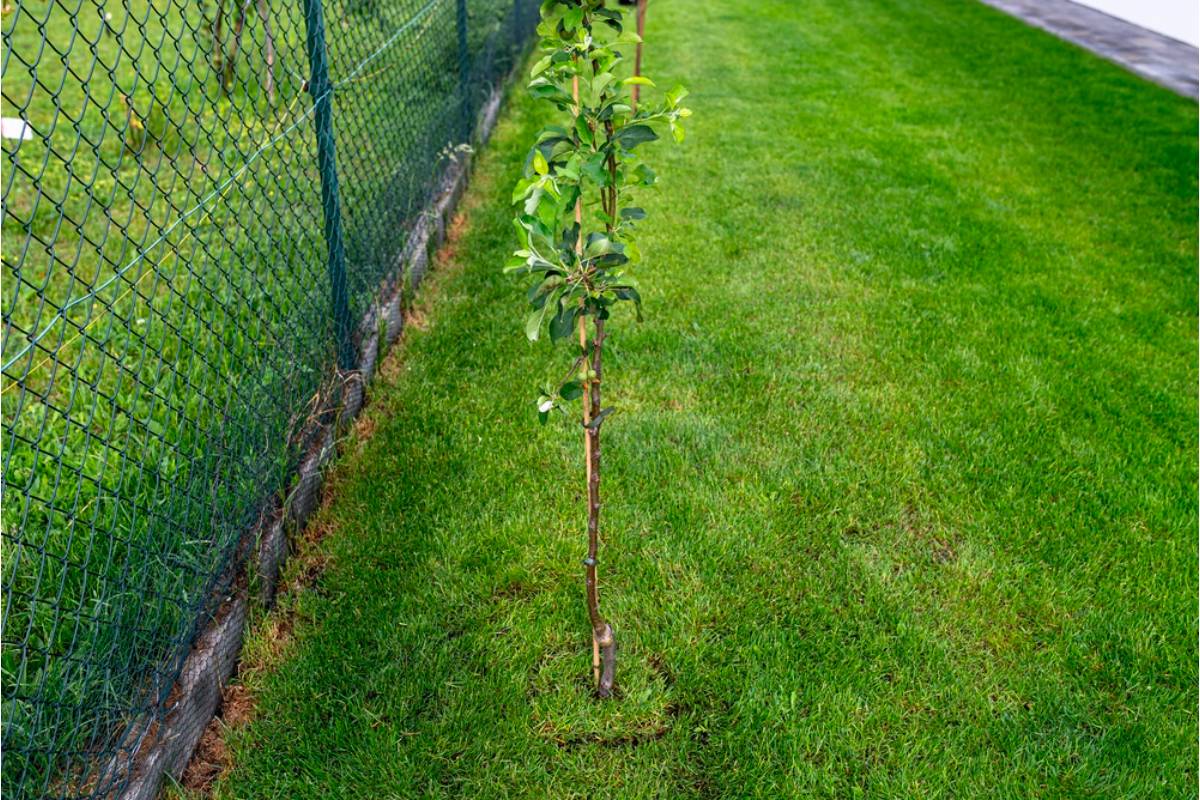
The real problem was happening along the fence separating the two properties. Several young trees had taken root directly against the homeowner’s vinyl fence, leaving almost no breathing room between the trunks and the panels. They were tiny enough to ignore at first, but the homeowner could see where the story might be heading.
The Saplings Were Small, But the Problem Was Growing
Young trees can be surprisingly easy to overlook because they rarely seem threatening when they are only a few inches tall. A sapling pressed against a fence, however, is a very different situation from one growing in the middle of an open yard. The homeowner’s concern was simple: let the trees grow, and eventually the fence could be squeezed, pushed, scratched, or damaged.
That made the little strip of ground beside the fence feel like a countdown. Every season could mean thicker trunks, deeper roots, and more branches pushing into a space that was never designed for them. What looked like a gardening nuisance today had the potential to become a much more expensive problem later.
Nobody Seemed to Be Looking After the Yard
The neighboring house had been vacant for much of the previous year, although renters had lived there before that. According to the homeowner, the yard had never been properly maintained during the three years they had lived nearby. The saplings were simply one part of a larger garden takeover that included weeds and an increasingly wild lawn.
That created an awkward problem because there was nobody obvious to call over with a pair of pruners. There was no friendly neighbor answering the door and no regular gardener stepping outside to handle the growth. The homeowner had even tried contacting the city about the trees, but that effort did not produce the solution they were hoping for.
Then the Ownership Trail Got Complicated
The property itself was reportedly owned by an LLC, and a search appeared to show that the company was inactive. That detail made the whole situation feel even more mysterious because the yard looked abandoned while the legal ownership was anything but straightforward. The homeowner was left wondering who, exactly, was supposed to deal with the growing trees.
A response from a person pointed out that an inactive LLC does not necessarily mean the property has no owner who cares about it. Sometimes it can simply mean paperwork or annual filing requirements were not handled properly. In other words, the neglected garden did not necessarily mean the people behind the property had vanished into thin air.
The Fence Created the First Big Question
Before anyone grabbed a saw, there was a more important question hiding in plain sight. Where was the actual property line? The homeowner believed the fence was a property-line fence, but no survey had ever been completed to confirm it.
That distinction mattered because a fence can look like the boundary without actually sitting directly on it. A response from a person suggested checking property documents and looking for markers that could establish where the lots really meet. Suddenly, the saplings were no longer just plants beside a fence. They had become tiny clues in a much larger property puzzle.
A Fence Is Not Always the Boundary
The discussion around the fence became almost as interesting as the trees themselves. A response from a person explained that fences are not automatically proof of a legal property line, and the placement of the fence can matter. The way the fence was constructed might even offer clues about which property technically contains the troublesome strip.
That is the sort of detail homeowners rarely think about while planting flowers or mowing grass. A fence feels permanent and official, so it is easy to assume the line beneath it must be equally certain. But this little garden problem showed how quickly a simple assumption can become important when trees start growing into the picture.
The Easiest Solution Sounded Almost Too Easy
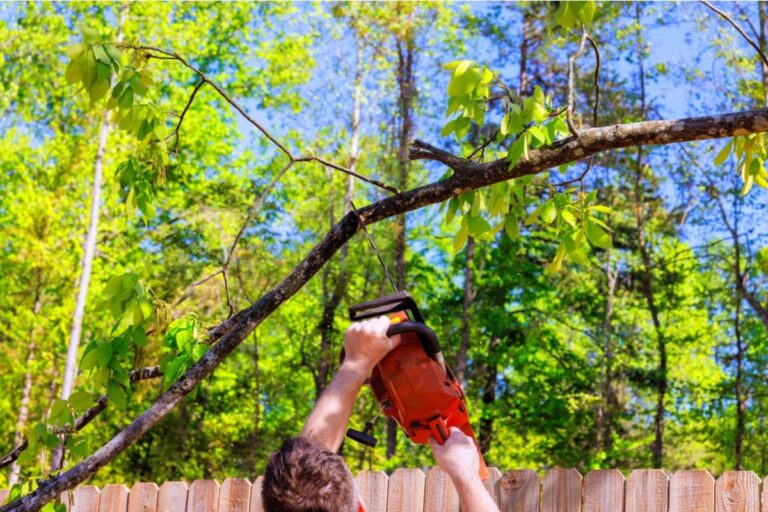
Several responses from people suggested an incredibly simple gardening approach: cut the saplings down while they were still small. At that size, the trees were described as offering little value compared with the potential damage they could eventually cause. The idea was to deal with the problem before the trunks had time to become a serious obstacle.
That advice had one obvious advantage. A tiny sapling takes minutes to remove, while a mature tree growing through a fence can turn into a much bigger project. The homeowner’s hesitation, however, showed that the situation was not really about effort. It was about whether stepping into the neighboring yard and removing the plants was actually allowed.
Some Gardeners Had Their Favorite Weapons
People also brought very different gardening tools into the conversation. One person favored a mattock for striking the main roots a few inches below ground, especially where future mowing could become annoying. Another preferred long-handled loppers because they offered more control without requiring heavy swings.
There were also suggestions involving pulling the saplings out rather than cutting them. The funny part was that the disagreement sounded less like a legal debate and more like a backyard tool competition. Everyone seemed to agree on one thing, though: leaving the saplings alone forever was unlikely to make them disappear.
The Real Fear Was What Happened Years Later
One response from a person offered a warning based on personal experience with trees that had been allowed to grow into a fence. By the time the problem was addressed, the trunks had matured around the fence structure, making what should have been a tiny maintenance task far more difficult. The comparison gave the homeowner a glimpse of what could happen if the little saplings were ignored.
That is the sneaky part about garden problems. A sapling can look harmless enough to postpone, especially when there are a hundred other chores demanding attention. But plants do not care about postponed maintenance calendars. They keep growing while everyone else is busy.
The Fence Itself Might Be Part of the Problem
Another response from a person raised an interesting point about fence placement. The ideal situation, according to that view, would leave enough room on the correct side of the fence for someone to maintain both the fence and the surrounding vegetation. If the fence sits directly on the boundary, that maintenance space can disappear.
The result is an awkward little strip where grass, weeds, and trees can turn into a recurring headache. A gardener may want to reach the plants, while a property owner may have questions about who has permission to enter the land. The closer the vegetation grows to the fence, the more important that tiny strip becomes.
Then Came the Question of Who Could Be Held Responsible
The homeowner’s biggest concern was not simply how to remove the saplings. It was how to prevent future fence damage without creating a new dispute. That is why several people focused on determining ownership and responsibility before treating the situation as a routine gardening task.
A response from a person suggested that if someone was already maintaining the yard, speaking with that person could provide a useful path to the owner or property manager. That could turn an apparently abandoned garden into a simple maintenance conversation. In a strange way, the overgrown yard might have a caretaker hiding in plain sight.
Some Suggestions Were Far More Dramatic
Not every response from a person was quite so cautious. A few joked about sneaking over at night, while others suggested simply walking into the yard with the confidence of someone who belonged there. The humor made the situation sound like a backyard stealth mission involving loppers instead of lasers.
Underneath the jokes was a serious point, though. If the homeowner waited until the saplings became large trees, the available solutions could become more complicated. The temptation was clearly to solve a small gardening problem before it evolved into a large property problem.
The Homeowner Was Not Looking for a Fight
What made the story interesting was that the homeowner did not seem eager to start a feud over a few young trees. The preferred outcome appeared to be simple: protect the fence, clear the growth, and avoid making the situation more complicated than necessary. That is probably why the question about permission mattered so much.
A person can spend an afternoon pulling weeds and pruning branches without thinking twice when everything is on their own land. The moment the plants cross an invisible boundary, the same gardening chore can suddenly feel very different. Here, the plants were tiny, but the invisible line underneath them carried much more weight.
The Twist Was Hidden Under the Fence
The biggest twist in the whole story may have been that the saplings themselves were not necessarily the most important thing to investigate. Before cutting anything, the homeowner could potentially learn that the fence was not positioned exactly where they assumed it was. The little trees might have been growing on one side of the line, while the fence itself sat somewhere else entirely.
That possibility changed the story from a simple trimming job into a mystery about the land beneath the garden. A survey, property records, or visible boundary markers could answer questions that a pair of pruning shears never could. In that sense, the first gardening tool needed was not a saw at all. It was information.
A Tiny Garden Problem Became a Bigger Lesson
The story began with a handful of saplings and a vinyl fence, but it ended with a much broader lesson about garden maintenance. Small plants can become major problems when they grow in the wrong place, especially when neglected yards give them years to establish themselves. What looks like an annoying weed today can eventually become something much harder to remove.
The homeowner’s situation also showed why gardens sometimes require more than gardening knowledge. Property boundaries, access, maintenance responsibilities, and communication can all become part of the job when vegetation grows near a shared boundary. In the end, those tiny saplings may have been the easiest part of the entire problem.
For Now, the Little Trees Keep Growing
Until the ownership and boundary questions are settled, the saplings remain where they started, pressed against the fence and quietly getting larger. They do not look dramatic, and they certainly do not resemble the giant trees that inspire neighborhood disputes. But that is exactly what makes the situation so suspenseful.
A person shared his story because he wanted to know how to stop a small garden problem before it turned into something much bigger. The twist is that the plants may have been the least complicated part of the puzzle. Sometimes, in gardening, the hardest thing to find is not the weed, the root, or the tree. It is the exact line where one garden ends and another begins.