Homeowner Says Her 4.5-Meter Viburnum Hedge Became the Neighborhood Privacy Wall, Then Her Neighbor Reached Over the Fence and Cut It Down to 2.5 Meters
A person in Western Sydney had spent years growing a thick row of Viburnum odoratissimum along a 17-meter boundary fence. What began as a simple planting eventually turned into a towering green wall about 4.5 meters high, creating a lush screen between the two properties. For the homeowner, the hedge was more than decoration because it provided privacy from the neighbor’s elevated deck and second-story addition.
A Green Wall With a Purpose
The hedge had become particularly important after the neighboring property was renovated and gained a second story and raised deck. From that higher vantage point, the neighbor could look directly into the homeowner’s backyard, making the dense greenery feel like a natural privacy solution. The homeowner knew the plants were large, but believed there was a reasonable difference between maintaining a hedge and removing the privacy it provided.
Then the Neighbor Complained
Eventually, the neighbor objected to the size of the hedge and demanded that the homeowner cut the top down. The homeowner was willing to trim branches extending into the neighbor’s yard, but was reluctant to lower the entire hedge because that would undo the privacy screen. That disagreement quietly sat between the properties, with neither side apparently willing to give up the point.
The Overgrown Problem
The homeowner later admitted that the hedge had become somewhat overgrown, especially on the sides facing the neighboring property. The plan had been to let the plants reach their intended height and then bring the sides into a neater shape. Unfortunately, while the homeowner was waiting for the right time to tackle the job, the neighbor apparently decided that waiting was no longer an option.
One Morning, Everything Changed
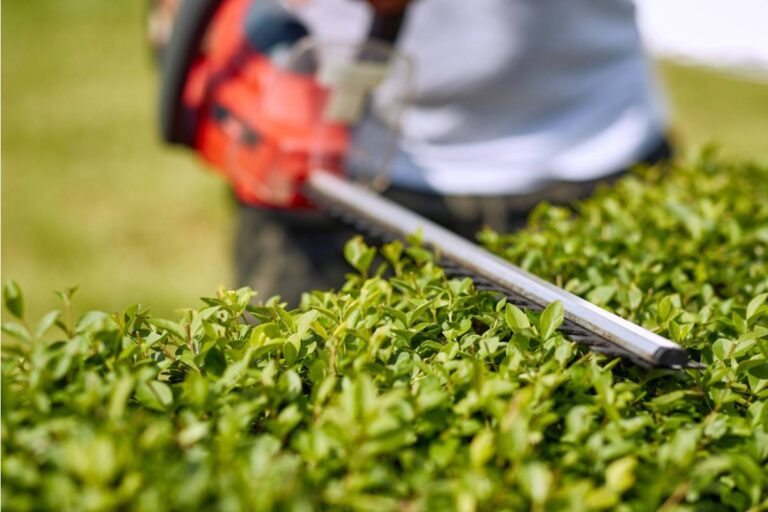
Instead of simply asking again, the neighbor took matters into his own hands and began cutting the hedge from his side of the fence. The homeowner understood that branches crossing over the boundary could be trimmed, but the cuts went noticeably deeper than that. Several large branches had been chopped below the fence line, suggesting that the neighbor had physically reached across to remove growth that was still on the homeowner’s side.
The Green Wall Suddenly Had Holes
The transformation was dramatic, and the once-thick hedge looked almost unrecognizable afterward. A screen that had stood around 4.5 meters tall was suddenly much thinner, with obvious gaps and sections reduced to roughly 2.5 meters. For the homeowner, it was not simply a matter of losing a few stray branches because the entire shape of the garden had been changed without permission.
Then the Plants Started Looking Sick
The timing made the situation even more worrying because some of the Viburnums began looking weak and unhealthy around a month and a half after the cutting. The homeowner feared that the aggressive pruning might have caused lasting damage to some of the larger plants. Old photographs showing the hedge before the incident made the difference even harder to ignore.
The Sunlight Argument Wasn’t So Simple
The neighbor’s original complaint centered partly on sunlight reaching his garage and one side of his deck. The homeowner investigated the situation and concluded that the hedge did not meaningfully deprive the neighboring property of direct sunshine for most of the day. In the homeowner’s view, the argument sounded bigger than the actual gardening problem, especially because the neighboring house and deck structure already blocked much of the available light.
There Was Another Twist on the Other Side
Then came a detail that made the whole dispute feel even more tangled. The neighbor reportedly had his own trees and ivy growing over the fence into the homeowner’s yard, while refusing repeated requests to trim them back. Another nearby homeowner had apparently reached the point of hiring an arborist herself to deal with overhanging growth from the same property.
People Saw Both Sides of the Hedge
A response from a person pointed out that the homeowner had waited too long both to maintain the hedge and to confront the neighbor after the cutting happened. Another person described a similar experience with enormous boundary trees, arguing that privacy plantings can become a nightmare when they are planted too close together and allowed to grow unchecked. The message was clear: a beautiful living wall can become a very unpopular garden feature once it starts spilling into someone else’s space.
But Then Came Some Encouraging Garden Advice
Not every response focused on the conflict, and one gardening-minded person offered a much more hopeful perspective. They explained that this particular variety can recover well from a hard prune and may come back thicker and denser with proper care, feeding, and watering when conditions are suitable. For the homeowner, that was the first bit of good news after weeks of staring at a hedge that looked as though someone had taken a chainsaw to its personality.
The Homeowner Changed Strategy
After researching the issue further, the homeowner decided against pursuing compensation or turning the dispute into a lengthy legal battle. The practical plan became much simpler: have a direct conversation and try to agree on a hedge height and maintenance routine that both properties could tolerate. The homeowner also planned to make one point very clear, which was that trimming the neighbor’s side was one thing, while cutting into the plants on the homeowner’s side was another.
A Compromise Started Taking Shape
Rather than abandoning the entire hedge, the homeowner considered a clever gardening compromise. The section nearest the neighbor’s deck could be lowered, while areas farther away could remain taller where the greenery was mainly hiding an unattractive brick wall. That would create a graduated hedge instead of a flat wall, potentially giving the neighbor more light without completely sacrificing the homeowner’s privacy.
The Hedge May Get the Last Laugh
Ironically, the neighbor’s aggressive pruning may have triggered exactly the kind of garden regrowth the homeowner had hoped to avoid during the dispute. If the Viburnums recover strongly, the thin gaps could eventually close and produce an even denser screen, turning the hacked-back hedge into a thicker wall than before. What started as a battle over height, sunlight, and privacy could therefore end with both neighbors discovering that sometimes the most stubborn resident on a property is the plant itself.
For Now, the Garden Becomes the Peace Negotiator
The homeowner ultimately seemed less interested in winning a feud than in preventing the same scene from happening again. Regular trimming, a defined height around the deck, and some cooperation could allow the garden to function as a privacy screen without becoming a permanent boundary dispute. After all, the hedge was planted to create a little peace and privacy, and now the biggest challenge is getting two neighbors to let it grow without letting the argument grow with it.