Homeowner Says Her Family Planted Herbs and Wildflowers in Their Rental Garden, Then a Neighbor Started Calling Code Enforcement Over Weeds and Eventually Dug Up Their Plants to Make Room for His Own Lemon Tree
A person shared his story about moving into a rental home that seemed to offer everything a family could want, including a convenient location, plenty of space, and a school just a block away. The move was especially helpful for the family’s 12-year-old child, who could walk or ride a bike to school and dance activities without needing a parent to drive everywhere. After spending time in the area, the homeowner was excited to settle into a place that made everyday life easier. Unfortunately, the excitement of moving into a new home soon gave way to a neighborhood nightmare that made even ordinary gardening feel like a risky activity.
The rental had a few outdoor areas that needed attention, including an overgrown lawn and garden beds that had been neglected before the family arrived. The homeowner understood that lawn care was part of the rental responsibilities and planned to get everything into shape after unpacking. There were boxes to sort, belongings to organize, and an entirely new household to establish, so the garden was never going to become perfect overnight. Little did the family know that one neighbor was already watching closely enough to turn their first few days into an unexpected battle over the yard.
The Lawn Was Overgrown Before the Family Even Unpacked
Before the moving truck had even been fully unloaded, code enforcement showed up because of the condition of the lawn. The homeowner explained that the property had been empty for a while before the family moved in and that only a couple of days had passed since their arrival. After seeing the lease and hearing the explanation, the officials did not issue a citation and gave the new tenant a little time to trim the hedges and tidy things up. It was hardly an unusual situation for a newly occupied rental, but the visit hinted that someone nearby was already paying unusual attention to the property.
Instead of treating the first inspection as a minor inconvenience, the homeowner soon found herself dealing with another visit. This time, the issue involved boxes left in a shared alley while the family was unpacking their belongings. The city inspected the area, discovered the flattened cardboard stacked beside the home’s trash bin, and again left without issuing a citation. What should have been a temporary moving mess was beginning to feel like a neighborhood surveillance operation, and the homeowner had no idea how frequently the next complaint would arrive.
A Pile of Weeds Somehow Became Another Official Complaint
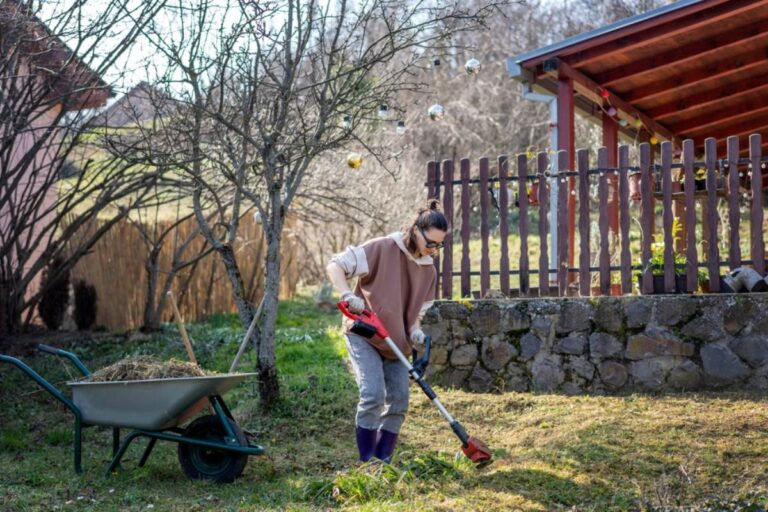
Just as the family started making progress, code enforcement returned with a complaint about excessive yard waste. The offending material was essentially a pile of weeds that the homeowner had already collected and was preparing to dispose of properly. Rather than receiving a fine, the tenant was simply reminded to handle the waste correctly, which was already the plan. Still, the repeated visits were becoming exhausting, especially when the family was trying to turn an untidy rental into a comfortable place to live.
The homeowner eventually began to suspect that the neighbor on the right was behind the complaints. According to the story, this man appeared to have a particular interest in how the family managed its lawn, trash bins, and outdoor spaces. The frustrating part was that the complaints were not uncovering serious violations or leading to penalties. Instead, they kept pulling the tenant away from settling in and enjoying the property, turning routine household chores into a source of anxiety.
The Neighbor Took Trash Complaints to a Whole New Level
The situation became even stranger when the homeowner discovered that used cat litter bags had been removed from the family’s garbage and scattered across the yard. The neighbor reportedly photographed the mess and sent the pictures to the property manager as evidence of a problem. He also objected to the location of the family’s bins, insisting that they should be kept in the backyard near a shed rather than beside the house behind a gate. For the tenant, that alternative would have meant hauling heavy bins along an awkward route involving multiple gates, a shell-covered path, and the front steps.
The neighbor apparently went beyond reporting what he considered a problem and sent the property manager a detailed email outlining how the tenant should manage the property. His instructions reportedly included mowing the lawn weekly, moving the bins twice a week, and keeping food or pet waste off them. He also claimed to have a close relationship with the property owner, suggesting that his demands carried extra weight. The homeowner checked that claim, only to learn that the owner had apparently met the neighbor in passing but did not actually know him well.
The Family Tried to Bring the Front Garden Back to Life
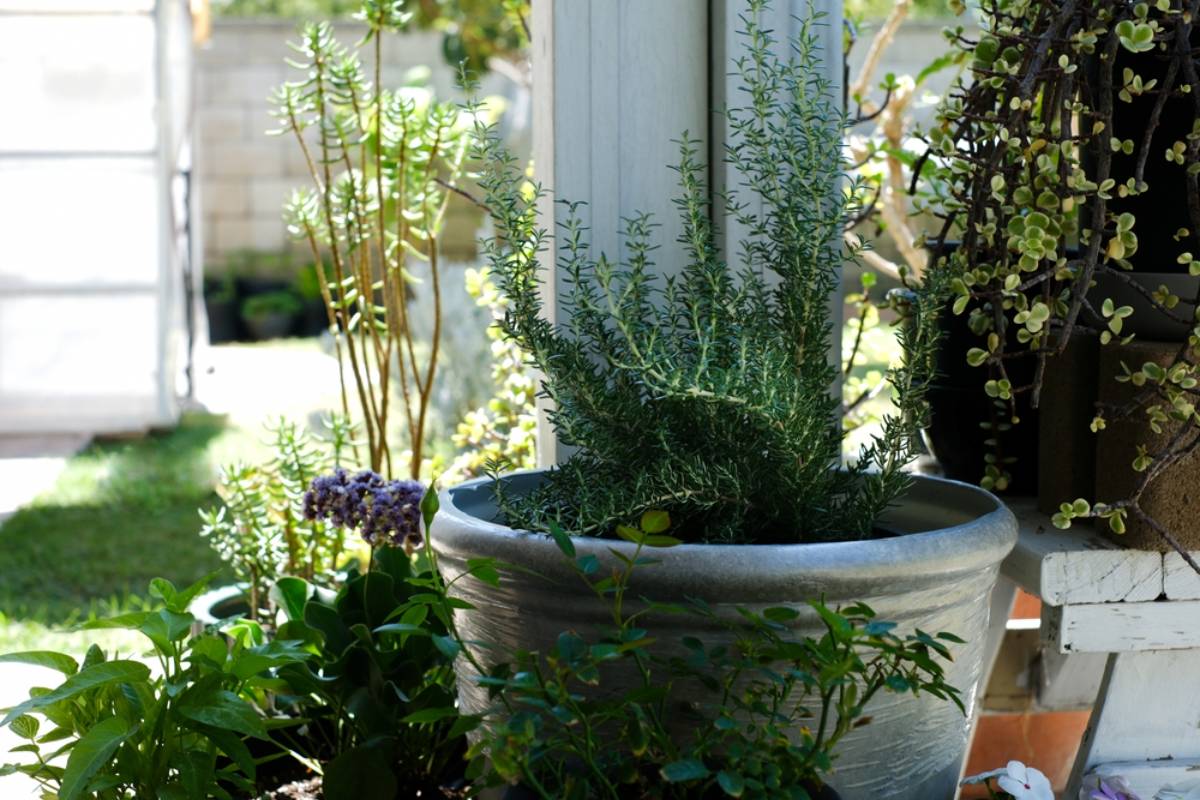
Amid all the drama, the homeowner and her child found a small way to make the rental feel like their own by working on the garden beds near the front of the house. They planted propagated herbs, wildflowers, and seeds saved from vegetables, hoping to create a cheerful patch of greenery. The project offered a chance to spend time together and turn neglected outdoor space into something useful and beautiful. For a family trying to establish roots in a new home, those beds represented far more than a collection of plants.
The garden was also a welcome distraction from the repeated complaints and inspections. Herbs could eventually provide fresh ingredients for the kitchen, while wildflowers would bring color and help attract pollinators. Even small seedlings can make a neglected yard feel alive again, especially when they are planted by someone who cares about the space. Unfortunately, the homeowner’s plans were about to collide with the neighbor’s own ideas about what belonged in the garden.
The Neighbor Dug Up the Plants to Make Room for a Lemon Tree
The biggest garden-related shock came when the neighbor reportedly dug into a bed near the driveway and planted a lemon tree, effectively destroying the plants the family had put there. The homeowner was understandably upset, particularly because the garden had been created by both her and her child. Instead of asking permission or discussing the space beforehand, the neighbor appeared to have decided that the area was available for his own planting project. A little lemon tree might sound like a lovely addition to a garden, but it becomes a very different story when someone else’s herbs and flowers are sacrificed to make room for it.
When confronted, the neighbor reportedly claimed that the area was his community garden because his own yard was covered in artificial turf. He suggested that the homeowner could use the space if she wanted, despite having just removed the family’s plants to accommodate his tree. The explanation left the tenant facing a baffling question: how could a neighbor treat a garden bed beside a rental home as his personal planting space? What should have been a simple conversation about boundaries had become the moment that pushed the dispute far beyond lawn maintenance.
The Homeowner Finally Asked for the Harassment to Stop
After repeated complaints and the destruction of the garden bed, the homeowner decided that the situation needed more serious attention. She had already asked the neighbor several times to stop interfering in her family’s affairs, but the requests had not brought lasting peace. The lemon tree incident was the final straw, prompting her to contact the police through the non-emergency number. She explained that it felt impossible to enjoy her own yard without another complaint or confrontation appearing around the corner.
The property manager had also reportedly told the neighbor to stop the behavior, but the conflict did not end there. When officers arrived, the neighbor came outside and initially appeared to assume they had been called to support him. Once he realized the homeowner was showing them communications involving the property manager and owner, the situation escalated dramatically. According to the account, he entered the homeowner’s yard and became so confrontational that the officers had to restrain him.
A Garden Dispute Turned Into a Police Incident
The homeowner described the encounter as frightening and exhausting, particularly because the dispute had started with seemingly ordinary issues such as weeds, cardboard boxes, and trash bins. The officers eventually directed her to go inside while they dealt with the neighbor, who reportedly continued his outburst for around 45 minutes. Afterward, they returned and offered her the option of pursuing a restraining order. At that point, she declined, partly because the neighboring home was so close that she could see directly into the man’s living room from her own property.
For a while, it seemed that the intervention might finally give the family some breathing room. The officers had reportedly instructed the neighbor to have no contact with the homeowner, and the situation quieted down temporarily. Yet the peace did not last as long as the tenant had hoped. The next development showed that the conflict was no longer just about plants, property maintenance, or the location of a garbage bin.
The Neighbor Started Making Remarks to a Twelve-Year-Old
According to the homeowner, the neighbor eventually began making insulting comments toward her child when the youngster took out the trash. The remarks reportedly mocked the child for cleaning up after their mother and questioned what the inside of the house might look like. The homeowner was especially disturbed because the child was only 12 years old, while the neighbor was in his mid-60s. A disagreement between adults had now spilled over onto a child who should never have been expected to participate in it.
The homeowner eventually caught one of these exchanges and told the neighbor to stop. Rather than resolving matters, the confrontation was followed by another unsettling development. Notes began appearing on her front door almost daily, containing warnings about video surveillance, authorities, and lawyers supposedly becoming involved. The messages were described as polite notices by the neighbor, but their frequency and context made them feel anything but reassuring to the person receiving them.
The Notes on the Door Made Everything Even Stranger
After about a week of repeated notes, the homeowner decided to contact the non-emergency police line again. She explained that she had reconsidered her earlier decision and now wanted to pursue a formal report or other legal protection. Even when the officers contacted the neighbor through his doorbell camera, he reportedly became agitated and insisted that the accusations were lies. When the officers showed him the notes, he allegedly dismissed them as nothing more than polite notices.
The homeowner ultimately received a report number and was waiting for the next steps concerning an injunction. Instead of responding by keeping his distance, the neighbor reportedly put up a privacy screen on his porch and covered it with passive-aggressive stickers facing the homeowner’s porch. The result was an especially bizarre scene: a person trying to create a little peace at home was now confronted with a display apparently designed to keep the conflict visible. A dispute that began with weeds had developed into an ongoing battle involving official complaints, hostile messages, and police visits.
The Neighbor’s Camera Added Another Layer to the Dispute
The privacy screen was not the only detail troubling the homeowner. She also reported that the neighbor had a camera in the shared alley, supposedly installed for safety, but positioned toward the family’s bins outside their living room window. From her perspective, this made the repeated complaints feel even more intrusive. Rather than simply objecting to the condition of a lawn or the placement of a trash can, the neighbor appeared to be monitoring an area closely connected to the family’s daily routines.
A response from a person suggested documenting the incidents and reporting the camera and stickers along with any further behavior. The advice was practical because a clear record could help establish a pattern if the homeowner needed to seek additional protection. Others encouraged her to preserve evidence and take the situation seriously rather than assuming the neighbor would eventually lose interest. For someone who had moved into the home to make family life easier, the prospect of spending every week collecting evidence was a miserable alternative to simply enjoying the garden.
The Homeowner Was Torn Between Staying and Starting Over
Despite everything that had happened, the homeowner still loved the rental itself. The house had the space her family needed, the location was convenient, the commute to work was manageable, and her child was close to school and friends. Moving away would mean sacrificing those benefits and starting the search for a suitable home all over again. The problem was that the neighbor had made the property feel less like a peaceful home and more like a place where every ordinary activity might trigger another confrontation.
The financial side of moving made the decision even harder. The homeowner explained that finding another rental could require several thousand dollars for upfront rent, a security deposit, pet fees, utility deposits, and moving expenses. That was a significant burden for someone who had only recently moved into the current property. With the renewal deadline approaching, she faced an unpleasant choice between staying and hoping the legal process would help or leaving a home she genuinely liked because the person next door would not respect her boundaries.
Responses From Other People Offered Advice but No Easy Fix
A response from a person encouraged the homeowner to keep documenting the neighbor’s behavior, including the surveillance concerns and the messages displayed near his porch. Another person suggested that moving might be the safest option, while others recognized how unfair it was to face such high expenses simply to escape a hostile neighbor. The advice reflected a difficult reality: there was no simple solution that guaranteed peace without creating additional costs or complications. Even when someone receives support, they may still have to weigh their safety, finances, family needs, and attachment to their home.
The story also resonated with people who had dealt with neighbors who seemed determined to control how others maintained their properties. For gardeners, the most frustrating part was the destruction of a small planting project that should have been an enjoyable family activity. A lemon tree can be a wonderful addition to the right space, but that does not make it acceptable to dig up someone else’s herbs and flowers. The homeowner’s experience showed how quickly a shared neighborhood environment can become stressful when one person refuses to recognize reasonable boundaries.
A Patch of Herbs and Wildflowers Became the Symbol of a Much Bigger Problem
At the heart of the story was a family that had moved into a home for practical reasons and tried to make the outdoor space more welcoming. Their gardening project was modest, featuring propagated herbs, wildflowers, and seeds from vegetables rather than an elaborate landscape requiring professional maintenance. Yet the garden bed became one of the clearest examples of the neighbor’s reported interference, especially when he removed the family’s plants to install his own lemon tree. What began as an effort to bring life to a neglected rental yard became a symbol of the family’s struggle to feel comfortable on their own property.
The homeowner’s final dilemma was not simply whether to renew a lease or find another house. It was whether a convenient home and a pleasant garden were worth the stress of living beside someone whose behavior had escalated despite repeated requests to stop. The possibility of legal protection offered some hope, but it could not erase the financial burden or the strain the family had already experienced. In the end, the story served as a reminder that a beautiful garden depends on more than sunlight, healthy soil, and regular watering; sometimes, having a peaceful place to grow anything at all depends on whether the people around you are willing to respect your space.