Homeowner Says Her Foster Son Offered to Clear Weeds Before an Inspection, Then Pulled Up Every Vegetable Seedling Along With Them
The garden was supposed to be the easiest part of the inspection. Instead, one afternoon of volunteer yard work left a homeowner staring at rows of ruined vegetables and wondering whether her foster son had made an innocent mistake or deliberately destroyed something she had spent months growing.
The Garden Was Finally Coming Together
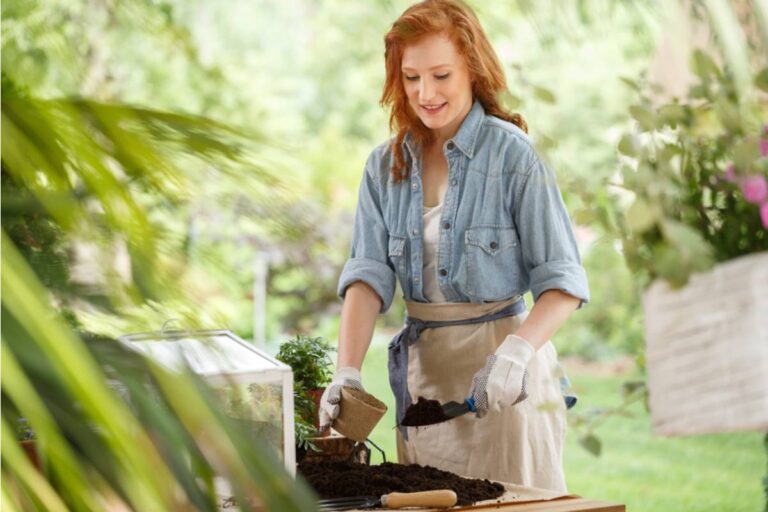
When Melissa Harper stepped into her backyard that Saturday morning, she felt proud for the first time in weeks. The raised beds were packed with tomato, pepper, cucumber, lettuce, and squash seedlings that she had started indoors and carefully transplanted after they became strong enough to survive outside. Her foster son, seventeen-year-old Caleb, was sitting on the back steps eating cereal from a bowl when she walked past him with a watering can.
“You know the inspector is coming Tuesday,” Melissa said, pointing toward the garden. The yard needs to look neat, but please don’t touch the vegetable beds unless I ask you.” Caleb nodded without looking up and said, “Yeah, I know,” before turning his attention back to his phone.
Caleb Offered to Help
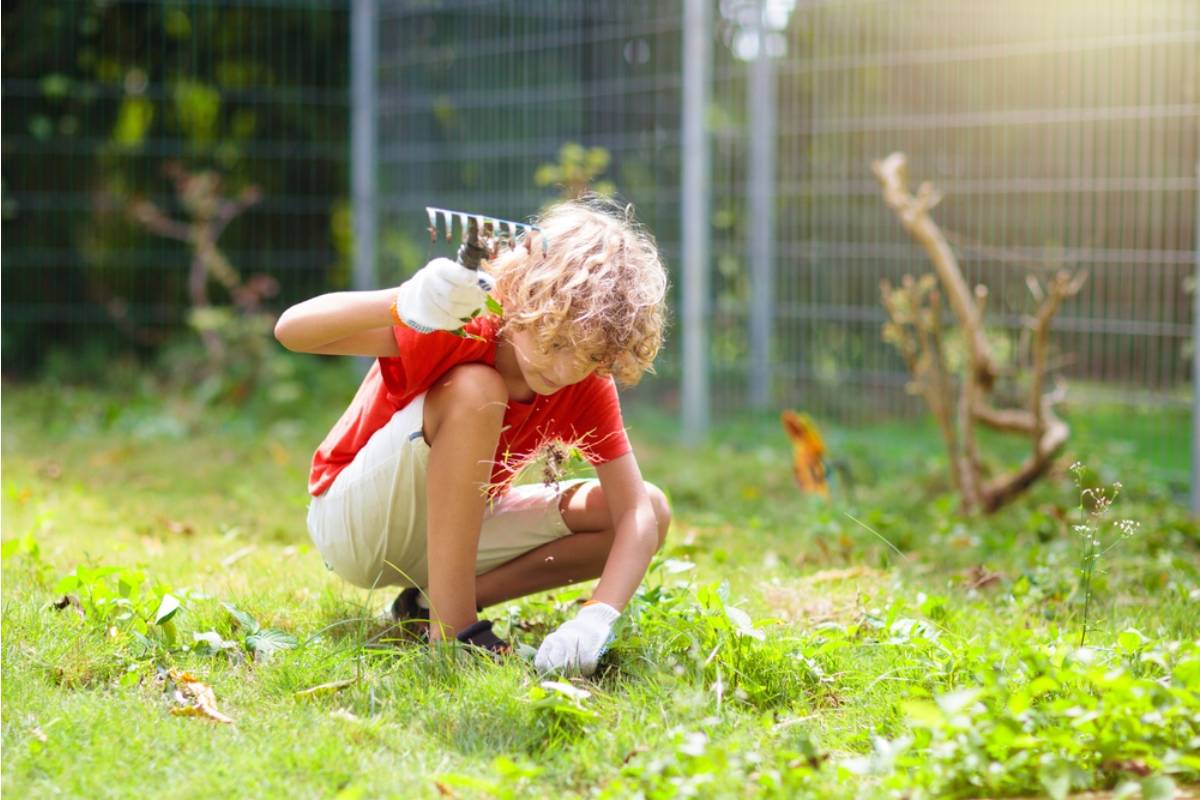
An hour later, Melissa was inside sorting paperwork when Caleb appeared in the kitchen wearing work gloves. He leaned against the counter and said he could clear the weeds around the garden because he knew she was busy getting the house ready. Melissa hesitated, then smiled because the offer seemed unusually thoughtful coming from a teenager who normally needed three reminders to take out the trash.
“Just the weeds,” she told him carefully. The little plants in the rows are vegetables, even if they don’t look like much yet.” Caleb laughed and said he understood, adding that he had seen her working on the garden for weeks and wasn’t going to mess it up.
She Left Him With One Simple Instruction
Melissa gave him a small hand cultivator and showed him the difference between the weeds and the seedlings. She pointed out the tomato plants with their little cages, the pepper seedlings along the wooden border, and the tiny cucumber plants that were barely taller than the grass. Caleb listened while she explained that some of the seedlings were still small because they had been transplanted only recently.
“Pull anything growing where it shouldn’t be,” she said, “but if you’re unsure, leave it alone and ask me.” Caleb gave her a thumbs-up and walked outside, while Melissa returned to the living room to organize the documents the inspector would need. For the next forty minutes, she heard the scraping of the cultivator and assumed everything was going exactly as planned.
The First Sign Something Was Wrong
Melissa eventually carried a box of papers toward the garage and glanced through the kitchen window. She immediately noticed something strange about the garden because several sections looked unusually empty. At first she thought Caleb had simply finished clearing the weeds and that the bare soil made the remaining plants appear more spread out.
Then she walked closer and stopped beside the first raised bed. Where six tomato seedlings had been standing that morning, there were now six small holes surrounded by loose soil.
Caleb Came Inside Smiling
Caleb entered the kitchen a few minutes later with dirt covering his gloves and knees. He looked pleased with himself and announced, “I got all the weeds out.” Melissa stared at him for a moment before asking what he had done with the plants that were missing.
He frowned as though the question confused him and replied, “Those little things?” Melissa nodded, and Caleb shrugged before saying, “I thought those were weeds because they were mixed in with everything.” Her expression changed immediately, and Caleb’s smile disappeared.
The Walk Back to the Garden
Melissa hurried outside and began counting the empty spaces. The tomato bed had been stripped almost completely, the peppers were gone, and every cucumber seedling had disappeared from the row where she had planted them. Even the lettuce seedlings she had marked with small wooden sticks were missing.
“Caleb, these were the vegetables,” she said, her voice rising despite her effort to stay calm. He looked over the beds and then back at her, insisting that he had thought the plants were weeds because they were small. Melissa pointed at the markers and cages, asking how he could possibly have mistaken those plants for weeds.
The Explanation Became More Complicated
Caleb’s first explanation was that he had not noticed the markers. Then he said the plants looked different from the pictures on the seed packets. Finally, after Melissa pointed out that he had removed plants from nearly every organized row while leaving actual weeds around the edges, he became quiet.
“You said to clear the garden,” he finally muttered. Melissa replied that she had specifically told him not to pull anything he did not recognize. Caleb looked toward the house and said, “I was just trying to get it done before you came back.”
Melissa Found Something Under the Soil
While kneeling beside the tomato bed, Melissa noticed something that made her stop arguing. Several of the seedlings had been pulled with unusual care, leaving narrow holes where the roots had come out intact. If Caleb had genuinely been yanking weeds without knowing what they were, she expected torn stems and broken roots rather than neat little empty pockets.
She began checking the other beds and found the same thing. Some plants had been pulled gently enough that their roots were still attached to the soil clinging around them, and that discovery made Melissa’s stomach tighten.
The Neighbor Had Seen More Than Expected
Melissa’s next-door neighbor, Donna, appeared at the fence after hearing the raised voices. Donna looked across the garden and immediately asked, “What happened to your seedlings?” Melissa explained what Caleb had told her, and Donna’s expression became uncomfortable.
“I saw him out here earlier,” Donna said. “He was pulling things and putting some of them into that black trash bag.” Caleb suddenly interrupted and said Donna must have misunderstood what she saw. Donna shook her head and replied that she remembered seeing the young plants because she had complimented Melissa on the garden only two days earlier.
The Black Bag Was Still in the Garage
Melissa walked toward the garage and found the black trash bag beside the recycling bin. She opened it expecting to find weeds, but instead saw wilted tomato stems, pepper plants, cucumber vines, and several seedlings with their roots still attached. The sight was so upsetting that she had to step outside and take a breath before she could continue.
When she returned, Caleb was standing near the garage door. Melissa held up one of the tomato plants and asked, “Why did you put these in here?” Caleb stared at the floor and did not answer.
His Story Changed Again
At first Caleb claimed he had thrown the plants away because they were already dying. Melissa reminded him that he had watched her water them every morning and had helped carry the trays outside when they were transplanted. When she asked him to explain why he had pulled the healthiest plants instead of the weeds surrounding them, he became visibly irritated.
“I don’t know,” he snapped. “I just wanted the garden cleaned up.” Melissa looked at him for several seconds before asking whether he had been upset about the inspection. Caleb said no, but his answer came too quickly.
A Forgotten Conversation Came Back
That evening, Melissa remembered something Caleb had said three days earlier while they were eating dinner. He had complained that the upcoming inspection made him feel like everyone was constantly judging whether their home was good enough. Melissa had told him the inspection was routine and that nobody expected the house or family to be perfect.
Now she wondered whether he had understood that differently. If he believed the garden had to look flawless, perhaps he had decided that every small plant and irregular patch of soil made the property look unfinished.
The Inspection Suddenly Felt Like the Least Important Problem
Melissa spent the rest of the evening trying to save whatever could still be replanted. She filled small containers with soil, placed the surviving seedlings inside, and watered them carefully while Caleb watched from the porch. Some plants recovered, but others had been damaged too badly to survive.
The inspection itself was no longer her biggest concern. She was more troubled by the fact that Caleb had given several explanations instead of simply admitting that he had misunderstood the instructions.
Caleb Finally Told Her the Part He Had Hidden
The next morning, Caleb came downstairs before Melissa had finished making coffee. He stood in the kitchen doorway and said he needed to tell her something before she spoke to anyone else about the garden. Melissa put down the mug and waited.
He admitted that he had known at least some of the plants were vegetables. He said he had become embarrassed when he realized he had started pulling them, but instead of stopping and asking for help, he kept going because he thought admitting the mistake would make Melissa angry.
One Detail Changed Everything
Caleb then revealed that he had pulled the plants after seeing a section of the garden that he thought looked messy. He believed the inspector would see the uneven rows and assume the family did not take care of the property. His attempt to fix the appearance had turned into a disaster because he kept removing anything that looked too small or out of place.
Melissa asked why he had thrown the plants into the trash instead of telling her. Caleb’s eyes filled with tears as he admitted, “I didn’t want you to think you couldn’t trust me.”
The Inspection Went Ahead Anyway
On inspection morning, the garden looked noticeably different from what Melissa had planned. She had managed to replant a few surviving seedlings, but several empty sections remained visible, and the rows no longer had the carefully arranged appearance she had worked toward.
The inspector walked through the backyard, looked at the garden, and asked a few ordinary questions about the property. When Melissa explained what had happened, the inspector simply said that gardens were not what determined whether a home was suitable, and that the condition of the people living there mattered far more than whether every seedling survived.
The Conversation Afterward Was Harder
After the inspector left, Melissa and Caleb sat together beside the damaged garden. She told him that making a mistake was not what had hurt her most, because mistakes could be repaired, replanted, and learned from. What frightened her was watching him become so afraid of disappointing her that he felt he had to hide what happened.
Caleb apologized without trying to defend himself this time. Melissa accepted the apology but told him that trust would take time to rebuild, especially because he had changed his story several times before finally telling her the truth.
The First New Seedling Was Planted Together
A few days later, Melissa brought home a new tray of vegetable seedlings. She placed it on the patio and called Caleb outside, then handed him a small trowel. Instead of telling him to work alone, she knelt beside him and showed him exactly where each new plant should go.
Caleb carefully pressed the first tomato seedling into the soil and looked at Melissa before covering its roots. “This one isn’t a weed, right?” he asked with a nervous smile, and Melissa laughed for the first time since the garden had been destroyed.
The garden never looked exactly the way it had before, but Melissa eventually decided that was not necessarily a bad thing. The missing plants had taught both of them something that a perfect row of vegetables never could: sometimes the damage caused by a mistake becomes easier to repair once someone finally stops hiding it.