Homeowner Says Her Neighbor Demanded a Healthy Tree Be Cut Down, Then Put Her Threats in Writing and Accidentally Gave the Homeowner a Paper Trail
A person shared his story about a decades-old tree growing directly along a property line in North New Jersey. The tree had been there long before he ever owned the property, and as far as he could tell, it was doing exactly what a healthy tree is supposed to do. It had leaves, showed no obvious signs of disease, and had already been visually inspected by an arborist during earlier landscaping discussions.
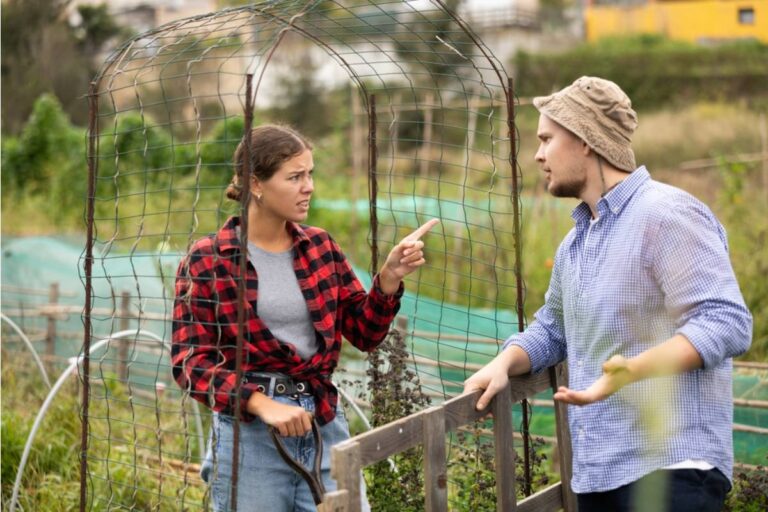
Then the neighbor decided that simply being close to her property was enough reason for the tree to disappear. She reportedly said she had no use for it and believed its position on uneven ground made it unsafe. What had been an ordinary backyard tree suddenly became the center of an uncomfortable neighborhood dispute.
Her Biggest Complaint Was Simply That She Did Not Want It
The homeowner said there did not appear to be an obvious problem with the tree itself. His description suggested that the dispute was not really about dead branches, disease, pests, or visible structural damage. Instead, the neighbor seemed to object to the tree because of where it stood and how close it was to her property.
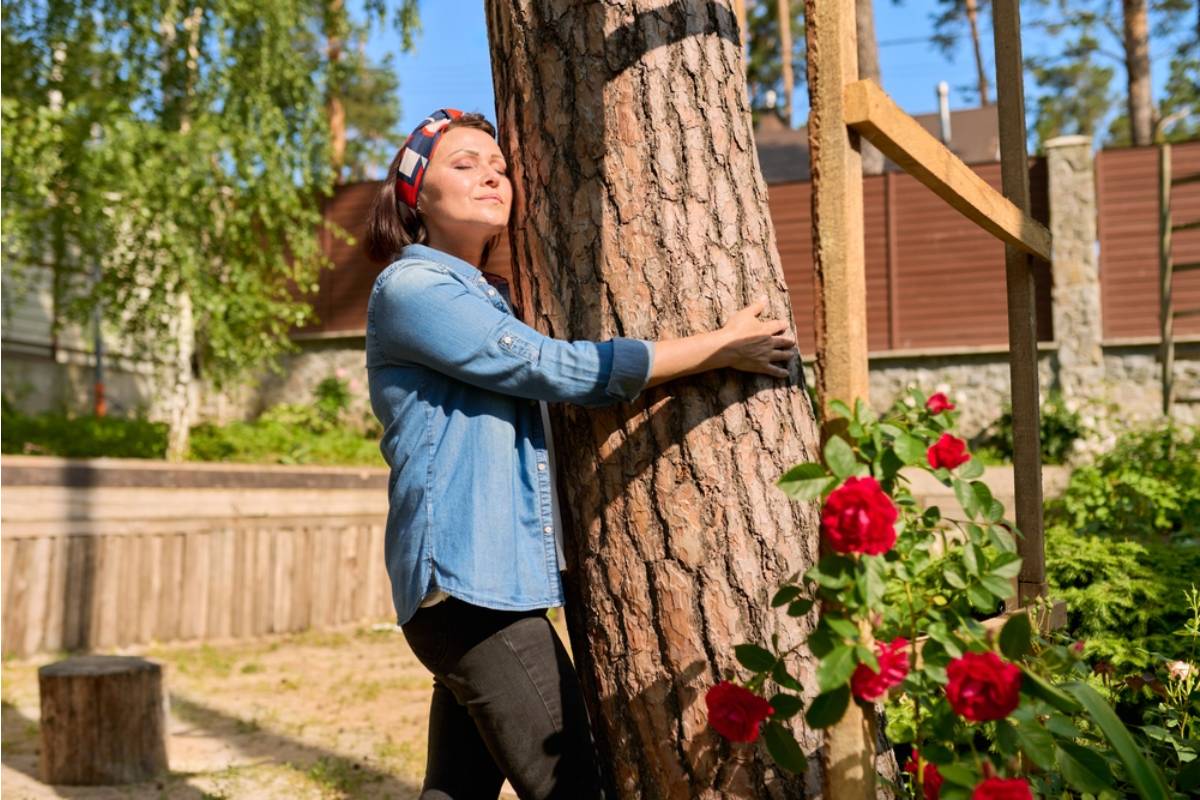
That distinction became important because the homeowner did not want to remove a healthy mature tree just to satisfy someone else’s preference. He also felt the tree added character to the neighborhood and helped give the surrounding town its charm. The request therefore became much bigger than a simple argument over trimming a few branches.
The Earlier Arborist Visit Had Already Raised Few Red Flags
The homeowner had previously arranged for an arborist to look over the trees on the property while they were considering broader pruning work. The visit was visual rather than a formal written inspection, but the arborist reportedly considered the disputed tree healthy. There were no visible signs of decay, and its foliage appeared normal.
That earlier assessment gave the homeowner some reassurance, but it did not leave him completely comfortable once the neighbor began making demands. He wanted something more concrete that he could keep in his records. The possibility of a future dispute made a written professional evaluation seem much more valuable than a conversation someone might later remember differently.
Then a Letter Arrived With a Very Serious Warning
The disagreement took a sharper turn when the neighbor mailed the homeowner a letter demanding that the tree be removed. According to the person who shared the story, the letter also warned that the homeowner would be responsible for damages in the future because she had already notified him about her concerns. Suddenly, an ordinary tree dispute had a paper trail.
The homeowner was understandably worried by the wording. He was not looking for an excuse to ignore a genuine safety issue, and he said he would deal with the problem immediately if the tree were actually dangerous. What concerned him was the idea that simply receiving a letter could somehow transform a healthy tree into his liability.
The Homeowner Decided to Get the Town Involved
Rather than simply arguing back and forth with the neighbor, the homeowner contacted the town and asked for its arborist to inspect the tree. That move shifted the situation from one person’s opinion against another person’s opinion. Instead of relying only on what either homeowner believed they could see from the ground, he wanted an independent professional to take a look.
This also helped calm some of the uncertainty surrounding the tree’s condition. The homeowner had already tried to deal with the matter responsibly, but the town inspection offered another layer of documentation. For a dispute involving a mature tree, that kind of outside assessment can become an important part of the story.
The Neighbor Had Never Actually Hired an Arborist
One detail made the disagreement even more unusual. The neighbor reportedly admitted that she had never had the tree professionally inspected. When asked whether an arborist had determined that it was unsafe, she apparently said she had simply inspected it herself and could tell there was a problem.
The homeowner even asked whether she was an arborist, and the answer was no. Her position, as described in the story, was essentially that identifying an unsafe tree did not require special expertise. That left the homeowner wondering how much weight he should give to a serious safety warning that had not been backed by a professional evaluation.
The Internet’s First Suggestion Was Surprisingly Simple
A response from a person suggested that the homeowner install cameras aimed at the tree. The concern was not only what might happen if the dispute escalated through official channels, but what could happen when no one was watching. Mature trees involved in neighborhood disagreements can become tempting targets for people who want a problem solved without permission.
The homeowner replied that he already had a backyard camera, so that part of the situation was covered. He was less worried about the neighbor physically reaching the tree and more concerned about the legal language in the letter. The phrase about becoming fully liable after receiving notice had clearly gotten inside his head.
Then People Pointed Out the Difference Between a Threat and a Professional Finding
A response from a person suggested that writing something in a letter does not automatically make it a legal fact. Another person compared the neighbor’s claim to simply announcing a rule and expecting everyone else to follow it. The central point raised in several responses was that an accusation about a tree’s condition is very different from an expert assessment documenting an actual hazard.
The homeowner was encouraged to obtain his own professional report rather than relying on arguments from either side. That would give him something tangible showing the condition of the tree at a particular point in time. It would also establish that he had taken reasonable steps to investigate the complaint instead of ignoring it.
The Story Took a Darker Turn When People Mentioned Tree Poisoning
Some responses raised an entirely different possibility that the homeowner had not initially been focused on. People described situations in which neighbors allegedly crossed property lines, arranged unauthorized tree cutting, or even damaged trees without the owner’s permission. The warnings changed the dispute from merely worrying about legal paperwork to thinking about protecting the tree itself.
The homeowner admitted that intentional damage concerned him, particularly the possibility of someone trying to poison the tree. He began considering whether his existing camera setup was good enough to monitor the area. A disagreement that began with one neighbor saying, “I don’t want that tree there,” was suddenly forcing him to think like the caretaker of a very valuable garden feature.
Other Gardeners Shared Stories of Trees Becoming Neighborhood Battlegrounds
A response from a person described arriving home to discover that a neighbor had hired workers who cut down a tree without permission. Another person shared a story about multiple trees being removed because a neighbor wanted his yard to look larger. These stories were not the homeowner’s own experience, but they helped explain why people were urging him not to take the threat casually.
The homeowner’s situation had an important difference, however. His tree was still standing, and he had time to document its condition before anything happened. That made photographs, inspections, and clear records increasingly valuable. Instead of waiting for the argument to become a full-blown crisis, he could create a timeline showing what the tree looked like while it was healthy.
The Town Arborist Delivered the Twist Everyone Was Waiting For
Then came the update that changed the entire mood of the story. The town arborist and forester visited the property, examined the tree, and reportedly said it was healthy and that there was nothing to worry about. The official also suggested that the homeowner should not cut the tree down.
That was especially significant because the town was described as having stricter rules surrounding tree removal. The same tree that one neighbor had been describing as unsafe was now being examined by a municipal professional who saw no reason to remove it. What had started as an argument driven by one homeowner’s concern suddenly had a very different piece of evidence sitting on the table.
A Lawyer Gave the Homeowner the Advice He Needed
After the town inspection, the homeowner spoke with his lawyer and explained what had happened. With the professional assessment in hand, the legal advice he received was essentially to stop allowing the neighbor’s demands to dominate the situation. He planned to respond by providing the town arborist’s contact information so the neighbor could speak directly with the person who had inspected the tree.
That response gave the homeowner something he had been missing from the beginning: confidence. He no longer had to rely on saying that the tree looked healthy because a professional had actually examined it. Even if the neighbor continued complaining, the homeowner now had a documented chain of events showing that he had taken the concern seriously.
The Tree Was Suddenly More Than Just a Tree
The longer the dispute continued, the clearer it became that the tree represented much more than a piece of landscaping. For the homeowner, it was part of the character of the property and something that contributed to his enjoyment of the garden. Removing a mature tree simply because someone disliked having it nearby would have been an irreversible decision.
That is why the homeowner’s approach gradually shifted from defending the tree emotionally to documenting it carefully. He had photographs, a previous visual assessment, a municipal inspection, and legal advice. The garden feature that had initially caused stress was now surrounded by a surprisingly detailed paper trail.
The Neighbor’s Letter May Have Created an Unexpected Advantage
The irony of the situation was that the neighbor’s attempt to establish responsibility by sending a warning letter also created a record of her complaint. Instead of being a vague verbal disagreement that could be remembered differently by each person, there was now a dated written history of what she believed. That gave the homeowner a reason to respond with equally clear documentation.
He could show that he did not dismiss the concern and that he took reasonable steps to investigate the tree’s condition. The official inspection became especially useful because it happened after the complaint had already been raised. In other words, the homeowner did not simply say the tree was healthy and walk away; he made sure someone qualified actually looked.
Sometimes the Best Defense Is Simply Taking Good Care of the Garden
By the end of the story, the homeowner was sleeping better because he had done what he could to protect both his property and the tree. He had sought an inspection, contacted his town, consulted a lawyer, and considered surveillance to guard against unauthorized interference. None of those steps required him to turn the situation into a dramatic neighborhood showdown.
The most interesting part was how quickly the original argument changed once professionals became involved. What began as one neighbor insisting that a healthy tree should disappear ended with a town arborist recommending that it stay. The tree was still standing, the garden was still intact, and the homeowner finally had something far more useful than an argument: evidence.