Homeowner Says Her Neighbor Had Already Ordered Trees Cut From Her Yard, Then She Discovered the Woman Had Snipped Her Cucumber Vines From the Fence Without Asking
A vegetable garden can take weeks of watering, pruning, and patience before it starts producing food, so imagine stepping outside one morning and discovering that someone else has decided which parts of your harvest deserve to survive. That is exactly the kind of frustration one homeowner described after finding her cucumber vines cut away from a fence on her own property. What made the situation even more infuriating was that this was not the first time her neighbor had interfered with her landscaping. And as the story unfolded, the argument became about much more than a few missing leaves.
A Garden That Was Supposed to Be a Source of Fresh Food
For this homeowner, growing vegetables was about more than making the yard look attractive. Her cucumber plants were growing along a fence, giving the vines room to spread while turning an ordinary outdoor space into a productive little garden. Like many gardeners, she had invested time and effort into nurturing plants that would eventually provide fresh food for her household. The last thing she expected was to find someone else making pruning decisions without her permission.
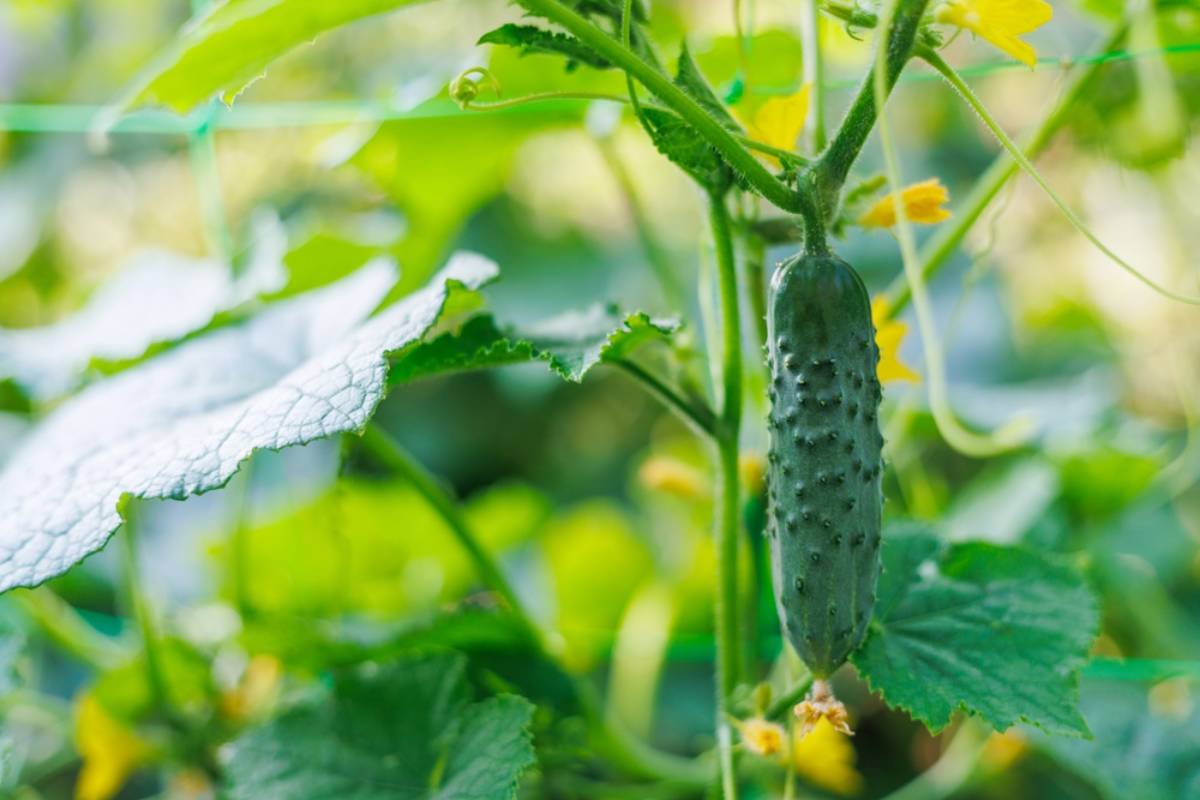
Cucumber vines can spread surprisingly far when they have enough sunlight, water, and space to grow. Their wandering stems may cross fence sections or reach toward nearby open areas, especially when the plants are thriving. For a gardener, that growth is often a sign that the plants are doing well, not an invitation for someone else to grab a pair of shears. Unfortunately, the homeowner’s neighbor apparently saw the situation very differently.
The Missing Vines That Started the Latest Argument
According to the homeowner’s account, she went outside and noticed that the cucumber vines growing over her fence had disappeared. Someone had cut them off, leaving her to figure out what had happened to the plants she had been tending. The discovery immediately upset her because the vines were part of her garden and, as she explained, were growing on her side of the property.
The problem was not simply that a plant had been trimmed. Those vines represented future cucumbers, continued growth, and the time she had already spent caring for them. Even if a plant eventually recovers from pruning, having someone interfere with it without asking can leave a gardener feeling powerless in their own yard. For this homeowner, the missing greenery was the latest chapter in an already unpleasant neighbor dispute.
The Neighbor Had a History of Interfering With the Landscaping
The cucumber incident might have been easier to dismiss if it had happened in isolation, but the homeowner explained that her neighbor had interfered with her landscaping on several previous occasions. One particularly troubling incident involved the neighbor arranging for a tree service to remove trees from the yard. The homeowner said her landlord hired the workers, while the neighbor directed them to cut down additional trees she considered weeds, even though the homeowner disagreed with that assessment.
That history helps explain why the missing cucumber vines triggered such a strong reaction. When someone repeatedly makes decisions about another person’s outdoor space, even a relatively small act of pruning can feel like part of a much bigger problem. The homeowner was no longer dealing with a single disappointing gardening mishap but with a pattern she believed had crossed the line. And this time, the unwanted landscaping intervention had taken something that could have ended up on her dinner plate.
The Fence Became the Center of the Dispute
Part of the confusion surrounding the incident came from the layout of the property. The homeowner explained that the cucumber plant originated in her backyard and grew toward the front of her yard, with vines spreading along her own fence. Although the fence connected with the neighbor’s fencing near an angled section, the homeowner insisted that the damaged vines were on her side.
That distinction mattered because people looking at a fence from different angles might interpret the property boundaries differently. A plant growing across a boundary can raise different questions from one that is entirely within a person’s yard, even when the two gardens sit only inches apart. The homeowner repeatedly clarified that the neighbor had walked onto her side to cut the vines. What looked like an ordinary fence-trimming dispute was therefore also a disagreement about who had the right to touch the plants.
Why Cutting a Few Cucumber Stems Can Cause So Much Trouble
To someone who does not garden, cutting a few cucumber vines might seem like a minor inconvenience. To someone who has spent weeks nurturing a vegetable plant, however, those stems can be part of the plant’s ability to grow, flower, and produce a harvest. Removing healthy growth without understanding the plant’s structure can also affect its development, particularly if substantial portions are cut away.
Cucumber plants are vigorous growers, and many gardeners train them along trellises or fences to save space and keep fruit off the ground. That arrangement can make a small backyard more productive, but it also means the vines may become a noticeable feature of the yard. The homeowner’s frustration centered on the fact that the plants were providing food rather than simply decorating the fence. In her view, someone had interfered with that effort without even asking first.
People Were Confused About Which Side of the Fence Was Which
As the homeowner explained what had happened, a response from a person raised questions about whether the photograph showed the neighbor’s side of the fence. The person explained that, in some places, property owners are allowed to trim vegetation that extends over their boundary. From that perspective, the exact location of the vines was essential to understanding the dispute.
The homeowner pushed back and clarified that the plants were growing from her backyard into another part of her own yard. She also emphasized that the fence section involved belonged to her, despite its connection to the neighboring fence. The exchange demonstrated how easily a gardening disagreement can become tangled in assumptions about property lines. Before anyone can confidently judge a situation like this, the actual layout and ownership of the affected area need to be clear.
A Response From a Person Suggested Installing a Camera
One response from a person suggested installing a camera that could record any future interference with the garden. The suggestion came after the homeowner explained that she already had cameras elsewhere but planned to add one near the area where the cucumber vines had been cut. She wanted a way to document what happened if another incident occurred.
That idea offered a practical alternative to relying on arguments about who had done what. A camera positioned to cover the relevant part of the yard could potentially provide a clearer record of future incidents, provided it was installed and used in accordance with applicable privacy rules. For a homeowner who felt that her landscaping was repeatedly being altered without permission, having reliable documentation could be more useful than another confrontation. It would also help distinguish an accidental gardening mishap from deliberate interference.
The Neighbor Had Also Become Involved With the Yard’s Trees
The story became even more frustrating when the homeowner described the earlier tree-cutting incident. She said the neighbor had identified certain trees as weeds and directed workers to remove them while the homeowner was away. The landlord had hired the tree service, but the homeowner believed the neighbor had taken the opportunity to influence what was cut.
Trees and vegetable vines may seem like very different gardening concerns, yet both incidents involved someone else deciding what belonged in the landscape. Mature trees can take years to establish, while a productive cucumber plant requires regular care throughout its growing season. Losing either can be upsetting, particularly when the person who planted or maintained it has little say in the decision. The homeowner’s account suggested that the cucumber dispute was part of a much longer struggle over control of her outdoor space.
The Story Took Another Turn With an Incident Involving Bees
The homeowner also described an incident in which the neighbor used wasp spray against a colony of bees nesting inside a water shutoff box on the neighbor’s own property. The homeowner said she could not intervene because the incident took place in an area she did not control. That detail added another layer to the story, especially for gardeners who understand how valuable pollinators can be.
Bees play an important role in pollinating many flowering plants and food crops, including numerous varieties grown in home gardens. Their presence can sometimes create safety concerns when a colony nests in an inconvenient location, but the appropriate response depends on the species, the circumstances, and local guidance. The homeowner’s account left readers with a broader picture of why she had become so frustrated with the neighbor’s approach to outdoor spaces. It was no longer just about one set of cucumber vines, but about a series of landscaping decisions that she felt had gone too far.
Living in an HOA Community Added to the Frustration
The homeowner expressed frustration with living in a homeowners association community, saying that the environment made her feel some neighbors believed they were justified in interfering with other people’s yards. HOA rules can govern certain aspects of landscaping, property appearance, and maintenance, depending on the community’s governing documents. But those rules do not automatically give every resident permission to make unilateral decisions about a neighbor’s plants.
For gardeners, that distinction can be especially important because a productive landscape does not always look like a perfectly manicured ornamental yard. Vegetable vines, fruit trees, native plants, and pollinator-friendly spaces can all serve practical purposes beyond appearance. When neighbors disagree about what a yard should look like, clear rules and respectful communication become particularly valuable. In this case, the homeowner believed that the neighbor had gone well beyond simply expressing a preference about the landscape.
Some People Thought the Neighbor Should Have Spoken First
A response from a person suggested addressing the situation calmly and explaining that the cucumber vines were producing food. Rather than immediately escalating the dispute, the person recommended telling the neighbor to raise concerns directly so the homeowner could handle any necessary trimming herself. The suggestion even included a friendly gesture, such as sharing a baked treat or vegetables from the garden.
That approach might sound almost comically polite after someone has already cut away a plant, but it highlights the value of setting clear expectations. A conversation can establish that the homeowner is willing to manage her garden while making it equally clear that unwanted pruning is not acceptable. Of course, a friendly approach is not guaranteed to work when a dispute has become a recurring pattern. Still, a calm and direct boundary can sometimes prevent a small disagreement from turning into an even larger neighborhood feud.
Others Suggested That Cutting Plants Could Have Consequences
Another response from a person argued that cutting someone else’s plants could be more serious than an ordinary gardening disagreement. The person mentioned having seen cases in which people faced consequences for cutting flowers such as roses and recommended documenting future incidents. That advice reflected a common concern among gardeners: plants can represent both personal effort and property with real value.
The legal position, however, depends on the circumstances and the rules that apply where the property is located. Questions about boundaries, ownership, damage, and whether someone entered another person’s yard can all matter, so it would be unwise to assume that every case has the same answer. The homeowner’s insistence that the cucumber vines were on her property was central to her complaint. For anyone facing a similar situation, confirming the boundary and keeping records may be sensible first steps before deciding how to proceed.
A Garden Dispute Can Quickly Become a Property Dispute
The cucumber incident illustrates how a seemingly small gardening problem can raise questions about property rights and personal boundaries. A vine reaching along a fence may not look important to someone passing by, but the person who planted it may have spent considerable time caring for it. When another person cuts it without permission, the disagreement can become about respect as much as horticulture.
That is particularly true when the people involved have already disagreed over trees, weeds, or other landscaping choices. Every new incident can make the previous ones feel more significant, creating a cycle in which even minor changes to the yard become a source of suspicion. The homeowner’s frustration was understandable given the history she described, although the precise legal implications would depend on the relevant facts and local rules. For gardeners, the lesson is that boundaries deserve attention both in the soil and in conversations with the people living nearby.
Gardeners Can Take Steps to Protect Their Plants
When a neighbor repeatedly interferes with a garden, documenting the condition of the plants and the layout of the property can help establish what has happened. Photographs taken before and after an incident may be useful, especially when they clearly show where the plants originate and which section of the yard is involved. Gardeners may also want to review their lease, property documents, or community rules when responsibility for the landscape is disputed.
A camera can provide additional documentation when used lawfully, while a written record of conversations can help keep the situation organized. If the problem continues, a homeowner or tenant can consider speaking with the landlord, HOA management, or an appropriate local adviser, depending on the circumstances. The important thing is to avoid retaliatory damage that could turn one person’s complaint into a dispute involving both parties. Protecting a garden is easier when the response is deliberate, documented, and focused on preventing another incident.
The Missing Cucumber Vines Became a Symbol of a Bigger Problem
For the homeowner, the cut cucumber vines were not merely a disappointing sight along a fence. They represented another moment in which she felt someone else had taken control of a space she was responsible for maintaining. The earlier tree-cutting incident had already damaged her confidence that her landscaping decisions would be respected, and the latest discovery brought those frustrations rushing back.
That is why the story resonated as more than a complaint about pruning. A productive garden is a small investment in independence, whether it supplies fresh vegetables, supports pollinators, or simply gives someone a peaceful place to spend time. When another person repeatedly alters that space without permission, the emotional impact can extend well beyond the damaged stems. Sometimes, the biggest problem in a garden is not a pest, a disease, or poor soil, but a neighbor who refuses to leave someone else’s plants alone.
The Real Twist Was That This Was Never Just About Cucumbers
The most striking part of the homeowner’s story was the pattern behind the latest incident. What began with missing cucumber vines led back to earlier concerns about trees, disputed landscaping decisions, and the neighbor’s approach to the surrounding outdoor space. The homeowner also said she planned to place a camera where it could capture any future interference, suggesting that she wanted clearer evidence rather than another round of uncertainty.
Whether the situation could be resolved through conversation, documentation, or formal channels remained unclear from the account. What was clear was that the homeowner wanted control over the plants she had grown on her own side of the fence. For anyone tending a vegetable patch, the story serves as a reminder that gardening takes patience, but protecting that hard work sometimes requires setting boundaries with people as well as managing vines. And while cucumber plants can often bounce back from setbacks, neighborhood trust can be much harder to regrow.