Homeowner Says Her Neighbor Hired Builders to Steal Eighteen Inches of Garden Space, Then the Fence Crew Learned They Could Be Walking Onto the Wrong Property
A person shared his story after a quiet stretch of garden suddenly became the center of a boundary dispute with the neighbor next door. For roughly 25 years, the fence had stayed in the same place, marking the edge of the gardens without causing any obvious trouble. Then the neighbor decided the fence was in the wrong spot and wanted it moved deeper into the surrounding gardens.
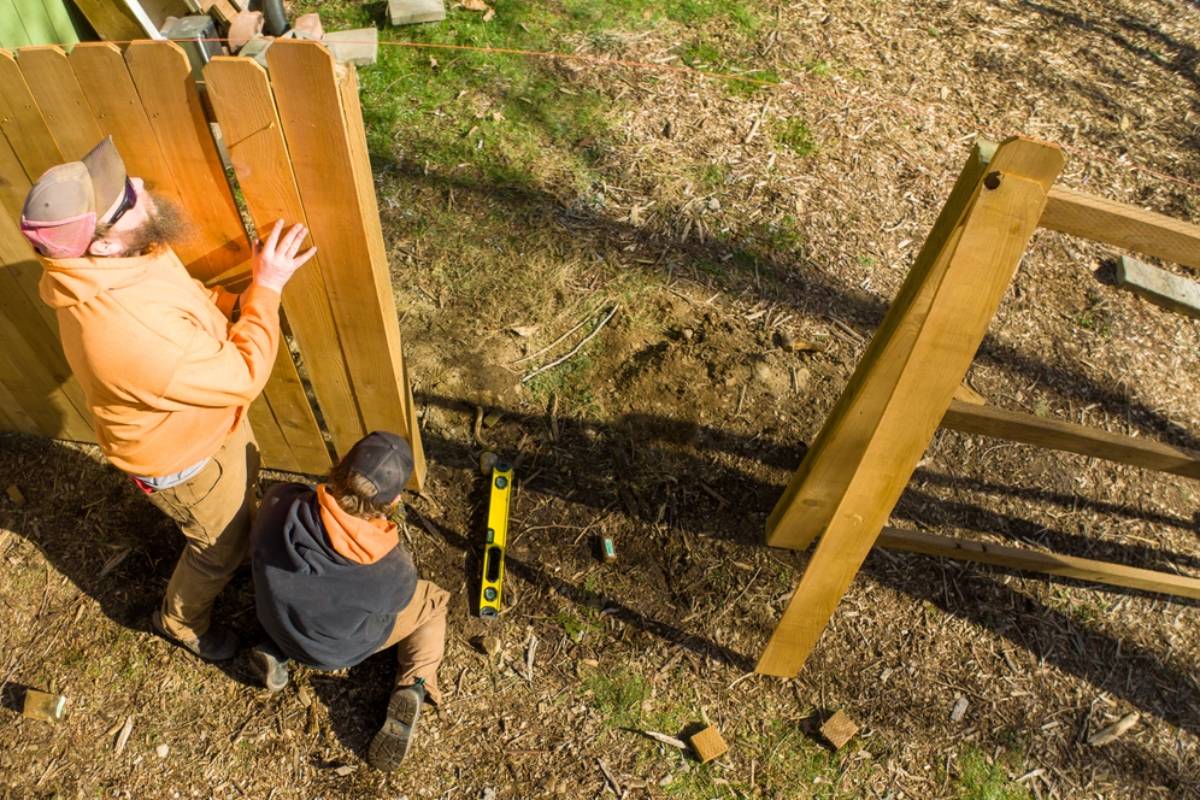
At first, the demand sounded like an ordinary disagreement over a property line, the kind of thing that might end with paperwork and a cup of tea. Instead, the neighbor hired two builders and arranged a three-day job to physically move the fences. The problem was that the proposed new position would take about a foot and a half from each neighboring garden.
The Neighbor Had Her Own Version of the Garden Map
According to the person who shared the story, the neighbor was convinced her garden should be significantly larger than it currently was. She had lived there for 25 years, yet somehow the boundary she suddenly believed in had never been enforced during all that time. The people on the other side of the property had been there even longer and were prepared to say the fence had always stood where it did.
That made the situation especially strange because nobody was talking about a brand-new fence on an empty piece of land. This was an established garden with a long-standing layout, mature plants, and a fence that had quietly done its job for decades. The only thing that seemed to have changed was the neighbor’s belief about where the line should be.
Then Two Builders Arrived With a Three-Day Mission
The real shock came when two builders turned up ready to start moving everything. They had apparently been hired for a full three-day job and seemed far more interested in the work they had been paid to do than in the argument happening around them. From their perspective, someone had booked a job, and they intended to carry it out.
The person who shared the story tried to explain that the proposed fence line would run through neighboring gardens. The response from the builders was essentially that they had been hired to move the fences and had no reason to become part of the dispute. Suddenly, a disagreement that had been theoretical was standing in the garden wearing work boots and carrying tools.
The Garden Suddenly Felt Much Smaller
For the homeowner, the sight of strangers preparing to alter the fence was understandably intimidating. A garden can feel permanent because fences, borders, flower beds, and paths all create the illusion that everyone knows exactly where everything belongs. Watching someone arrive with plans to shift those boundaries can make that certainty disappear in an instant.
The person who shared his story said he felt shaken by the confrontation, particularly because the builders did not appear interested in waiting for the disagreement to be resolved. It was not simply about losing a strip of lawn or moving a few fence panels. Once the work started, the garden itself could have been physically changed before there was any chance to settle who actually owned the land.
The First Attempt Ended Before the Fence Moved
Fortunately, the builders eventually left the property without completing the work. That gave the homeowner a brief window to figure out what to do next and document the garden before anything changed. The relief was real, but so was the worry that another crew could appear a few days later.
A response from a person urged the homeowner to treat the situation seriously and create a record before anything else happened. Photographs of the fence, garden beds, and surrounding features could help establish what the property looked like before any work was carried out. Suddenly, taking pictures of an ordinary garden became part of preparing for a much larger dispute.
The Vague Plan Became a Bigger Problem
The homeowner then discovered that the official title plan was not as helpful as expected. Instead of showing an exact line running neatly between the gardens, it used a broad red outline over an aerial image of the neighborhood. That was hardly reassuring when the entire argument depended on the location of an invisible boundary.
A response from a person pointed out that property plans can sometimes be only general guides rather than precise measurements of a fence line. That meant the homeowner needed stronger evidence instead of simply pointing at a map and declaring victory. The garden might have looked obvious on the ground, but proving the exact legal boundary could be much more complicated.
The Fence Was Only the Beginning
Another response from a person suggested getting a professional boundary survey rather than relying entirely on the existing plan. A survey could provide clearer evidence about where the boundary actually lies and give the homeowner something more substantial to put in front of the neighbor. It also created a way to test both sides of the argument instead of assuming that a familiar fence automatically settled everything.
That detail added an unexpected twist to the story because there was no guarantee the survey would support the homeowner’s assumptions. The long-standing fence might turn out to be correct, or the measurements could reveal something neither side expected. In a dispute this serious, even a garden that looks perfectly ordinary can hide a surprisingly complicated history.
Then the Homeowner Started Building a Paper Trail
As the gardeners watched the situation unfold, the homeowner began looking beyond the fence itself. Calls were made for legal advice, and the idea of sending a formal letter to the neighbor became part of the strategy. The goal was no longer simply to argue in person, but to make it unmistakably clear that the proposed work was disputed.
A response from a person suggested that the builders should also be told that they did not have permission to work beyond the established boundary. That mattered because contractors might be willing to reconsider a job once they realized they were being asked to work on land that another person claimed as their own. The garden had gone from a simple patch of grass and plants to a scene where every shovel, post, and fence panel suddenly mattered.
One Response Suggested a Very Different Approach
One particularly striking response from a person advised getting serious about the problem immediately rather than waiting to see whether the neighbor changed her mind. The suggestion included gathering the relevant property documents, contacting a qualified surveyor, and involving a solicitor over the boundary disagreement. The reasoning was simple: once contractors had already been hired, the neighbor had demonstrated that she was prepared to act.
The response also raised the possibility of seeking an injunction to stop work while the dispute was being resolved. That transformed the story from a neighborhood argument into something much more formal. What had begun with a fence panel and a disagreement over garden space now looked like the sort of conflict that could produce letters, surveys, and legal bills.
Then the Builders Simply Disappeared
In one of the more satisfying turns in the story, the builders who had arrived with a three-day plan did not return after leaving. The homeowner later learned that the job had apparently been listed again through another route, only for the listing to be taken down. It seemed possible that the contractors had decided the garden drama was more trouble than the job was worth.
That did not completely solve the problem, but it bought precious time. The homeowner could now pursue professional advice and gather evidence without someone actively digging up the garden at the same moment. For the first time since the confrontation began, the fence was still standing exactly where it had been for decades.
The Other Neighbors Became Unexpected Witnesses
One of the strongest pieces of evidence came from people who had seen the garden layout for years. The neighbor on the other side had lived there even longer and could attest that the disputed boundary had remained unchanged for a very long time. That kind of firsthand history could become important when trying to explain how the garden had been used and where the fence had traditionally stood.
The story also showed how quickly one person’s boundary theory can affect several properties at once. The neighbor was not merely trying to reclaim an isolated strip of soil behind her shed. Her plan would have shifted multiple garden edges, potentially changing fences, planting areas, and the shape of neighboring outdoor spaces.
Then Came the Line Nobody Could Forget
During one unpleasant exchange, the neighbor reportedly shouted a sentence that sounded less like a garden argument and more like the final line of a courtroom drama. She told the homeowner, “Do not forget who owns this land!” It was dramatic enough to become the most memorable moment in an already bizarre dispute.
The irony was that ownership was exactly what still needed to be established. The homeowner was not prepared to accept the claim simply because it had been shouted with confidence. In a story where the entire conflict revolved around a few feet of earth, the loudest voice still could not physically redraw the boundary.
The Neighbor’s Other Property Drama Added Another Layer
The person who shared his story also explained that the neighbor usually rented out the house next door. She had only recently started appearing there regularly after removing a tenant, and the homeowner described a history of difficult interactions involving previous tenants. That detail made the fence dispute feel less like an isolated disagreement and more like the latest chapter in a continuing series of conflicts around the property.
According to the homeowner, several former tenants had struggled with the neighbor’s behavior, with some interactions becoming emotional enough to leave people in tears. Still, the homeowner was careful not to use personal circumstances as an excuse for the conduct. The focus remained on the garden, the disputed boundary, and the increasingly serious steps being taken to protect the property.
The Final Twist Was That Nobody Knew What the Survey Would Say
By the end of the story, the immediate threat had eased, but the central mystery remained unsolved. A surveyor still needed to determine precisely where the boundary lay, and the homeowner still needed to make the case formally to the neighbor. The fence had survived for the moment, but its exact position was now under a microscope.
That uncertainty became the biggest twist of all because the homeowner could not simply rely on tradition, while the neighbor could not simply rely on confidence. After 25 years of the same fence standing quietly between the gardens, everyone was suddenly waiting for measurements to decide whether those familiar lines were actually in the right place. Until then, the garden remained unchanged, the fence remained standing, and one small strip of soil had become the most disputed patch in the neighborhood.