Homeowner Says His HOA Approved His Garden Design in Writing, Then Fined Him for the Exact Same Design a Year Later Under a New Board
For years, Michael believed he had followed every rule required by his neighborhood association. That confidence disappeared when a new group of board members reviewed a garden he had already received written approval for and decided the same design was suddenly a violation.
The Approval Letter He Saved Carefully
Michael moved into the neighborhood because he loved the community’s appearance. The streets were lined with mature trees, carefully maintained lawns, and homes that reflected a shared commitment to keeping the area attractive. Shortly after moving in, he decided to replace part of his plain grass lawn with a drought resistant garden filled with native plants, decorative stones, and flowering shrubs.
Before changing anything, Michael followed the HOA process.
He submitted a detailed design showing plant locations, materials, and photos of similar landscapes. The approval committee reviewed the plan and sent him a written confirmation stating that the garden design met community guidelines.
Michael kept that letter in a folder with his other important home documents.
Months of Work Transformed the Yard
The project took several weekends to complete.
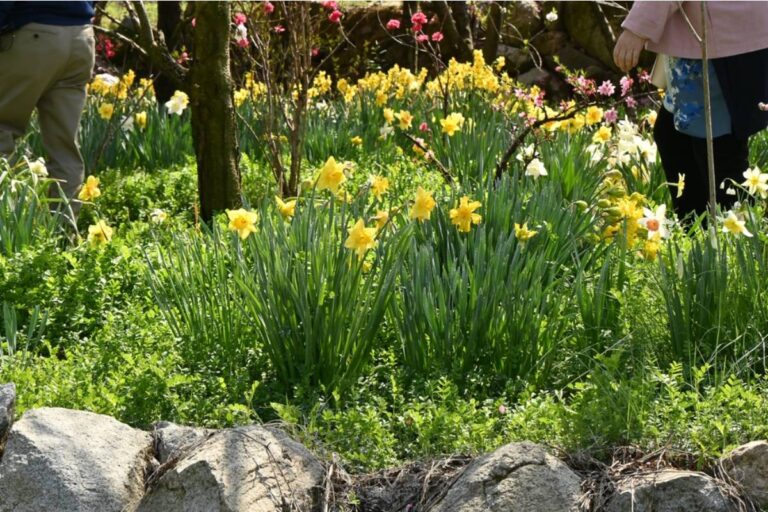
Michael removed sections of grass, built curved planting areas, added native flowers, and installed a small stone pathway leading to his backyard gate. He chose plants that required less water and attracted butterflies and birds.
Neighbors often stopped while walking by to compliment the changes.
Several people told him the garden made his home stand out in a positive way. Some even asked where he bought certain plants because they wanted to create similar spaces.
Michael felt proud because he had improved the property while still respecting the neighborhood standards.
A New Board Changed the Atmosphere
Nearly a year later, the HOA held its annual election.
Several longtime board members retired, and a new group took over. Michael welcomed the change at first, assuming fresh leadership would bring new ideas.
The first few months seemed normal.
Then he received a letter from the HOA management company.
The notice stated that his front yard landscaping violated community rules and required changes. Michael immediately recognized the description.
They were referring to the exact garden design that had already been approved.
The Fine Made No Sense
Michael called the HOA office expecting a simple mistake.
He explained that the design had been reviewed and approved in writing before installation. He offered to send the original approval letter and photographs showing that the garden had not changed since the committee accepted it.
The representative said she would review the documents.
A few days later, Michael received another message.
The fine remained in place.
The New Board Had a Different Interpretation
Michael attended the next HOA meeting hoping to clear up the misunderstanding.
During the discussion, the new board president explained that they believed the previous committee had interpreted the landscaping rules incorrectly. According to her, the old approval did not match the board’s current understanding of acceptable designs.
Michael asked a simple question.
“If the HOA approved it, how can I be fined for following that approval?”
The room became quiet.
The board members said they were trying to enforce the rules consistently moving forward.
Neighbors Questioned the Decision
After the meeting, several neighbors approached Michael.
They were surprised because many remembered the approval process. Some had even visited his garden after it was completed and considered it an improvement to the neighborhood.
One neighbor mentioned that the HOA had recently praised another homeowner for installing a similar drought resistant landscape.
The situation started feeling less like a rule violation and more like a disagreement about leadership.
Old Documents Became Important
Michael returned home and organized every piece of paperwork related to the garden.
He found the original application, the committee response, emails discussing plant choices, and photographs from before and after construction.
Everything showed that he had followed the required process.
He also discovered meeting notes from the previous board where members discussed encouraging environmentally friendly landscaping options.
The documents supported his position.
A Former Board Member Explained What Happened
Michael contacted Susan, a former HOA board member who had served during the approval process.
She remembered the project immediately.
Susan explained that the previous board had reviewed the design carefully and approved it because it matched updated landscaping goals. She was surprised the new board was challenging it.
“I remember everyone agreeing this was exactly the type of improvement we wanted,” she told him.
Her statement gave Michael more confidence that he was not misunderstanding the situation.
The Dispute Spread Across the Neighborhood
The issue became a common topic among residents.
Some homeowners worried that previously approved projects could be challenged whenever leadership changed. Others supported the new board’s desire to maintain standards but questioned whether existing approvals should be ignored.
A few residents began reviewing their own HOA documents.
They wanted to know whether their approved improvements could also be reconsidered in the future.
A Special Meeting Was Requested
Several homeowners requested a special HOA meeting to discuss the situation.
More residents attended than usual.
Michael calmly presented the timeline of events, showing the original application, approval letter, and current violation notice. He avoided criticizing individual board members and focused only on the process.
The new board explained that they believed they were protecting neighborhood appearance.
The discussion revealed that the real disagreement was not about the garden itself but about whether previous decisions remained valid.
A Legal Review Changed the Conversation
After the meeting, the HOA decided to consult their management company and legal advisor.
The review focused on whether homeowners could be penalized for improvements that had already received official approval.
The response surprised some board members.
They were advised that reversing a documented approval without proper procedures could create serious problems. The advice suggested that the HOA should work toward consistency and avoid punishing residents for relying on official decisions.
The board agreed to reconsider the fine.
The Garden Became a Symbol of the Debate
While waiting for the final decision, Michael continued maintaining his garden.
Ironically, the plants that had become the center of the dispute attracted even more attention. Residents who previously ignored the landscaping began asking questions about native plants and water saving designs.
Children walking through the neighborhood enjoyed seeing butterflies among the flowers.
The garden had become more than decoration.
It represented a larger discussion about fairness, communication, and trust between homeowners and community leadership.
The Fine Was Finally Removed
Several weeks later, Michael received a formal letter from the HOA.
The violation was withdrawn, and the fine was removed from his account. The board acknowledged that the garden had been approved under the previous administration and that homeowners should be able to rely on written decisions.
Michael appreciated the correction.
He did not want special treatment. He only wanted the same rules that applied when he first submitted his plans.
The HOA Changed Its Process
The disagreement led to several changes within the neighborhood association.
Future approval letters became more detailed, and the board created a clearer system for documenting decisions. New members received training on reviewing past approvals before issuing violations.
Residents also became more involved in HOA meetings.
Many admitted they had never paid attention to how decisions were made until Michael’s situation showed how important those records could be.
A Garden That Taught the Neighborhood Something
A year after the dispute began, Michael’s garden remained one of the most admired yards in the community.
The same design that once caused a conflict became an example used during neighborhood discussions about responsible landscaping. Even some board members who initially challenged it later complimented how well it blended with the area.
Michael never expected a garden project to become a neighborhood debate.
But the experience reminded him that written agreements matter, especially when leadership changes. Rules and communities evolve, but fairness depends on respecting the decisions people made based on the information they were given at the time.