Homeowner Says Her Neighbor Insisted Her Rain Garden Would Flood the Street for Two Years, Then Copied It Exactly After a Drought Killed His Own Lawn
When I decided to replace part of my front lawn with a rain garden, I knew not everyone would understand the idea. Most houses in our neighborhood had large stretches of green grass that required constant watering and mowing. Mine slowly transformed into a colorful mix of native flowers, deep rooted grasses, and carefully placed stones designed to absorb rainwater instead of letting it run into the street.
Some neighbors admired the project, but one man made it clear from the beginning that he thought I was making a huge mistake. For two years he predicted the garden would ruin the neighborhood, flood nearby driveways, and lower property values. Then one unusually dry summer changed everything in a way neither of us expected.
An Idea Inspired By A Local Workshop
I first learned about rain gardens during a community landscaping workshop hosted by our county’s environmental department. The instructor explained how native plants helped soak up stormwater while supporting birds, butterflies, and pollinators.
The concept immediately appealed to me because my yard always developed puddles after heavy rain. Instead of fighting the problem every season, I wanted to work with nature rather than against it.
Planning Every Inch Carefully
Before digging a single hole, I spent weeks researching soil conditions, drainage patterns, and native plants that thrived in our region. I even hired a local landscaper for one afternoon to confirm my design would direct water away from the foundation of my home.
The finished plan looked nothing like a random flower bed. Every slope, stone, and planting area had a purpose, even if that purpose was not obvious to someone driving past.
The First Complaint Arrived Quickly
My next door neighbor, Richard, wandered over while I was unloading mulch.
He stared at the shallow basin taking shape in my yard and asked why I was digging what looked like a ditch. After I explained the project, he laughed and said, “You’re building yourself a swamp.”
I smiled and continued planting.
He walked away shaking his head.
Predictions Became Neighborhood Conversation
Richard did not keep his opinions to himself.
Whenever new neighbors moved onto the street, he pointed toward my yard and confidently predicted it would eventually overflow during the first major storm. At neighborhood cookouts he joked that people should buy rain boots before visiting my house.
Most people politely changed the subject, but I noticed his comments growing louder every few months.
The First Heavy Rain Tested Everything
Late that spring, several days of steady rain soaked the neighborhood.
Water rushed across driveways and collected along curbs exactly as it always had. Meanwhile, my rain garden slowly filled, allowing the water to sink into the soil over several hours.
By the following morning, the standing water had disappeared completely.
Richard stood across the street watching in silence.
A New Round Of Criticism
Instead of admitting the system worked, Richard found another concern.
He claimed mosquitoes would take over because of the temporary pooling. I explained that properly designed rain gardens drained quickly enough to prevent mosquito breeding.
He dismissed my explanation and insisted I would regret the project before long.
The conversation ended there, but the disagreement continued.
Other Neighbors Started Asking Questions
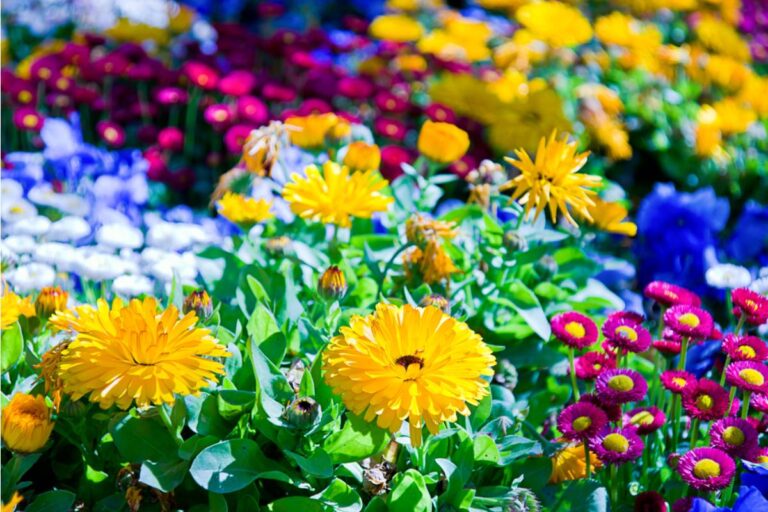
As flowers matured, people walking through the neighborhood often stopped to admire the colorful blooms.
Children pointed out butterflies landing on purple coneflowers while hummingbirds darted between bright red cardinal flowers.
Neighbors who had once ignored the garden began asking where I bought certain plants and whether rain gardens required special maintenance.
Richard never joined those conversations.
Two Years Passed Without A Single Problem
Season after season, the garden continued doing exactly what it had been designed to do.
Stormwater disappeared naturally instead of flowing toward the street. The plants became healthier each year because they were adapted to local conditions.
My water bill also dropped because native plants needed very little supplemental watering once established.
Those results quietly spoke louder than any argument.
A Summer Unlike Any Other
Then came one of the driest summers our area had experienced in years.
Weeks passed without meaningful rainfall.
Lawns throughout the neighborhood slowly turned brown despite constant watering. Sprinklers ran every evening, yet patches of dry grass continued spreading across yards.
Even longtime gardeners admitted they had never seen conditions quite like it.
One Yard Stayed Surprisingly Green
While traditional lawns struggled, my rain garden remained vibrant.
Deep rooted native plants reached moisture stored well below the surface, allowing them to thrive long after shallow rooted grass began failing.
People walking by often paused in disbelief.
Several asked whether I had installed an expensive irrigation system.
I simply smiled and explained how the plants had been chosen for conditions exactly like these.
Richard Knocked On My Door
One Saturday morning, Richard appeared on my porch carrying a notebook.
His once perfect lawn had become almost entirely brown despite weeks of careful maintenance.
Without his usual confidence, he quietly asked if he could take a closer look at my garden because he wanted to understand how it worked.
His tone was completely different from the conversations we had shared before.
An Unexpected Discovery
As we walked through the garden, Richard admitted something that surprised me.
He had secretly watched the yard after every major storm for nearly two years.
He expected to catch water overflowing onto the sidewalk or flowing into neighboring properties. Instead, he never saw any flooding at all. Every prediction he had made turned out to be wrong.
Saying those words clearly was not easy for him.
A Proposal That Made Me Laugh
After asking dozens of questions about plants, drainage, and soil, Richard hesitated before speaking again.
He finally admitted he wanted to build almost the exact same layout in his own front yard.
For a brief moment, I could not help laughing because I remembered every criticism he had made since construction began.
He laughed too.
“I guess I’ve earned that,” he admitted.
Working Side By Side
Rather than holding a grudge, I offered to help.
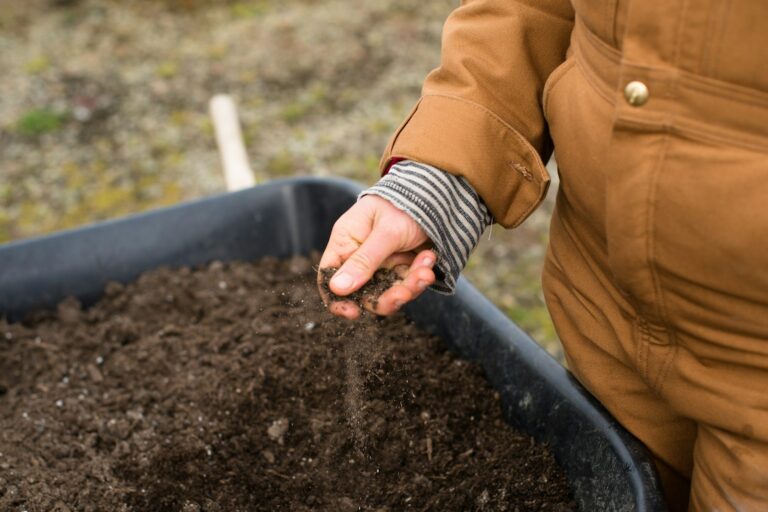
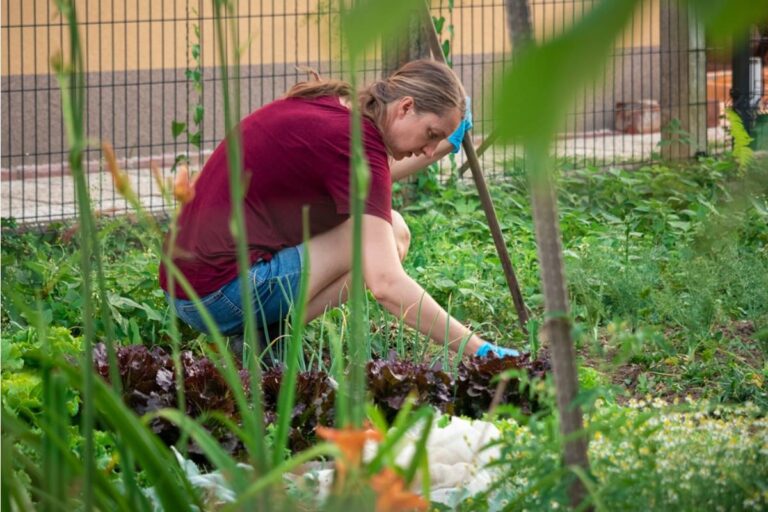
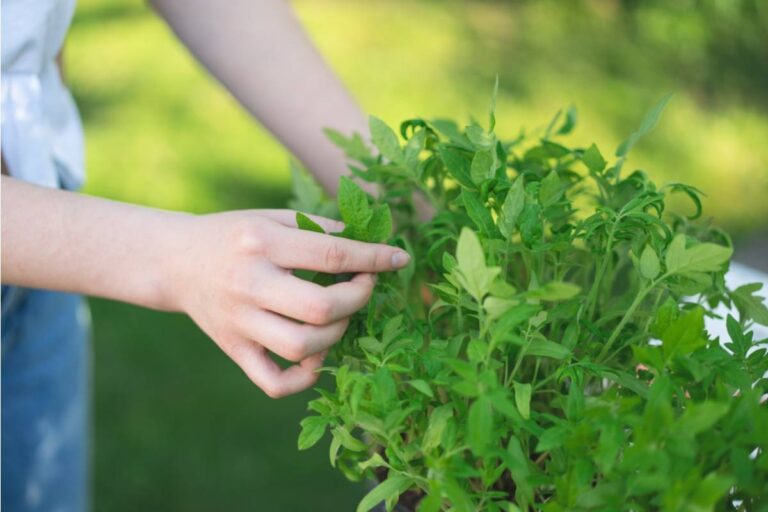
Over the next several weekends, we removed sections of his struggling lawn and replaced them with native plants suited for the site. Richard insisted on learning every step instead of simply hiring someone to finish the project.
As we worked, neighbors stopped by to ask what had inspired his sudden change of heart.
Richard answered every question honestly.
A Public Admission During The Neighborhood Picnic
That fall, our homeowners association organized its annual neighborhood picnic.
During a conversation about landscaping, someone complimented Richard’s new garden and asked how he had become interested in rain gardens.
He smiled, pointed toward my house, and said, “Because I spent two years telling everyone hers would fail.”
The group laughed.
Then he continued.
“It turns out I should have been taking notes instead.”
A Street That Slowly Changed
Within the next year, several more homeowners added native plants, small pollinator beds, or rain gardens of their own.
The neighborhood became noticeably more colorful through every season, attracting butterflies and songbirds that had rarely appeared before.
Even during dry periods, many of those gardens stayed healthy without constant watering.
People began exchanging seeds, sharing gardening advice, and helping one another instead of criticizing unfamiliar ideas.
Looking back, I realized the disagreement had never really been about landscaping. It was about how easily people reject something simply because it looks different from what they have always known. Richard’s willingness to admit he was wrong became just as meaningful as the garden itself.
His apology came through actions rather than excuses, and those actions inspired positive changes throughout the entire neighborhood. Today, whenever visitors admire the gardens along our street, few realize they grew from years of disagreement, unexpected humility, and one homeowner finally deciding that learning was more valuable than being right.