Homeowner Says Her Neighbor Let Her Dog Wander Into the Garden, Then She Realized the Dog Wasn’t the Real Problem
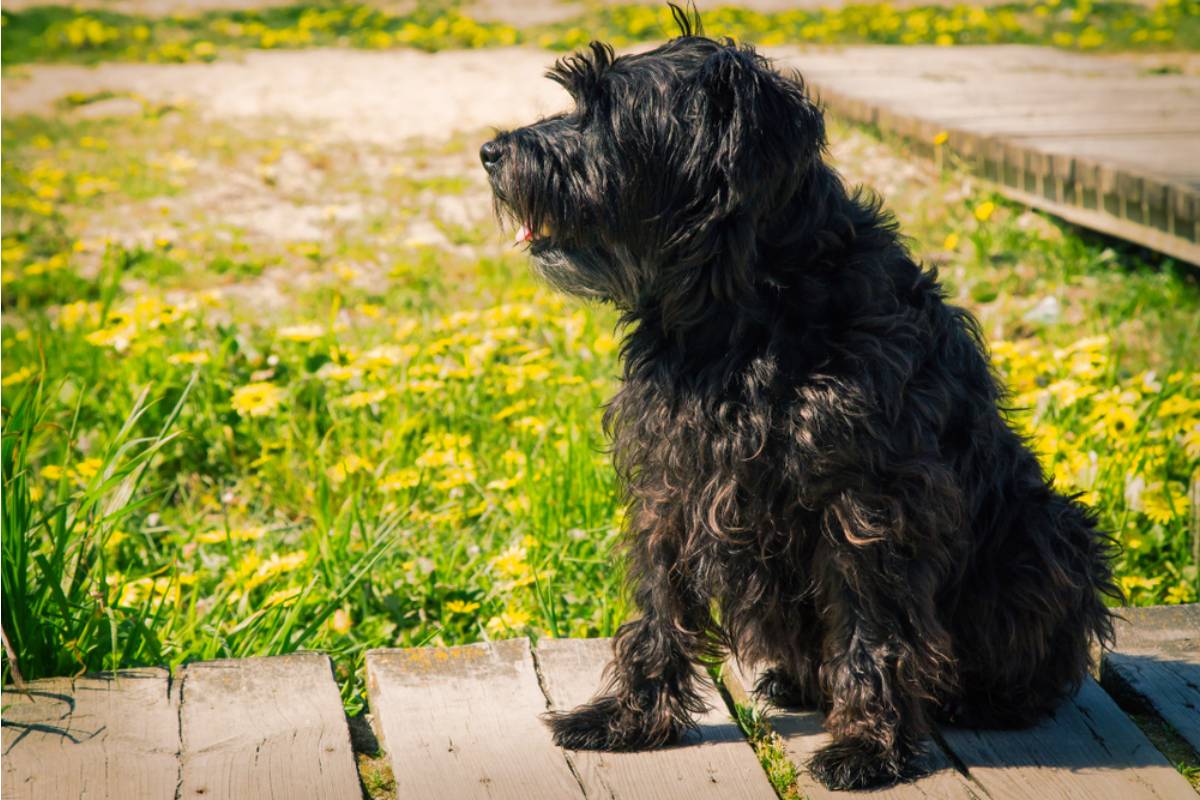
When a homeowner moved into a new house, she expected the backyard to become a quiet little gardening retreat. The neighboring yard was open to hers, but that seemed temporary because she and her household had already planned to install a fence. For the first few months, everything was mostly peaceful, and the neighbor’s friendly dog occasionally wandered nearby without causing much trouble.
That changed when the neighbor casually mentioned that the previous owners had supposedly allowed the dog to roam wherever he pleased. The homeowner wasn’t convinced by the explanation, especially after noticing other signs that the property line had apparently been treated rather casually. There was even a suspicious pile of fireplace ash near the edge of the yards. It started to feel less like an innocent misunderstanding and more like an old habit waiting for a new homeowner to challenge it.
The Dog Had a Favorite Route
For a while, the neighbor kept her dog on a lead, which made the situation seem perfectly manageable. The dog stayed on his side, the garden stayed undisturbed, and everyone could enjoy their own little patch of outdoor space. The homeowner thought perhaps the earlier concerns had been exaggerated.
Then one morning, she happened to look through the window at exactly the wrong moment. The dog slipped into her yard and began wandering toward the garden beds. What happened next made the homeowner stop watching the garden and start watching the neighbor instead.
The Moment Everything Changed
The dog walked straight toward the plants and relieved himself on them. That alone was irritating, but the truly frustrating part was what happened beside him. The neighbor stood on her deck with her hands on her hips and simply watched the dog explore the other yard.
There was no frantic chase, no apology, and no attempt to call him back. She appeared completely comfortable watching her dog use the neighboring garden as though it were an extension of her own property. Suddenly, the problem wasn’t really a confused dog anymore.
The Garden Was the Unwilling Victim
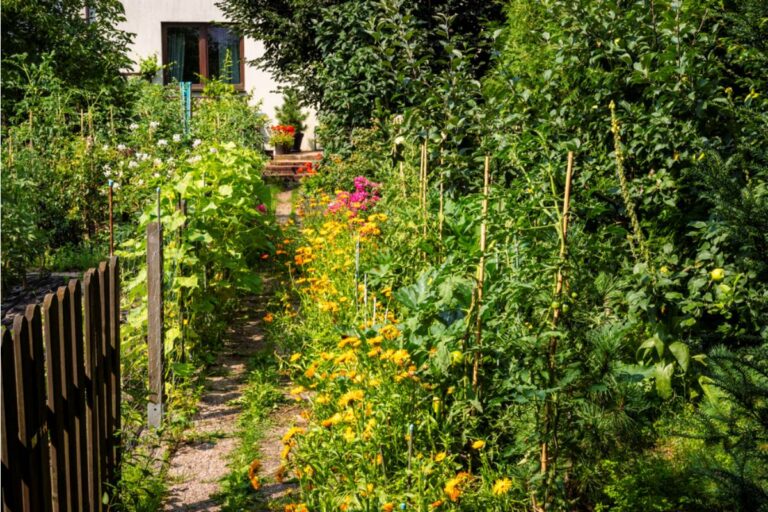
The homeowner had spent time caring for her plants, and now the garden had become part of an arrangement she had never agreed to. Dogs may not understand property boundaries, but their owners generally do. Watching someone knowingly allow a pet to cross that boundary made the situation feel much more personal.
A person shared his story about a similar situation and pointed out that dogs often return to the same spots repeatedly. That can mean repeated urine exposure in exactly the areas where someone is trying to grow healthy plants. A garden doesn’t exactly send a formal complaint when something goes wrong, so the homeowner knew she would have to speak for it.
The Ash Pile Added Another Layer
The dog wasn’t the only thing making the homeowner suspicious about the property line. She had also noticed a pile of ash sitting in her yard near the boundary between the two properties. The neighbor frequently had a campfire positioned close to the edge, making the homeowner wonder whether some of the ashes had been drifting or deliberately dumped into her space.
Because the house had previously been vacant, she couldn’t prove what had happened before she moved in. Still, the combination of the ash and the wandering dog made the situation harder to dismiss as one innocent mistake. Her backyard was beginning to look like a place other people had quietly decided they could use.
A Fence Suddenly Looked Very Important
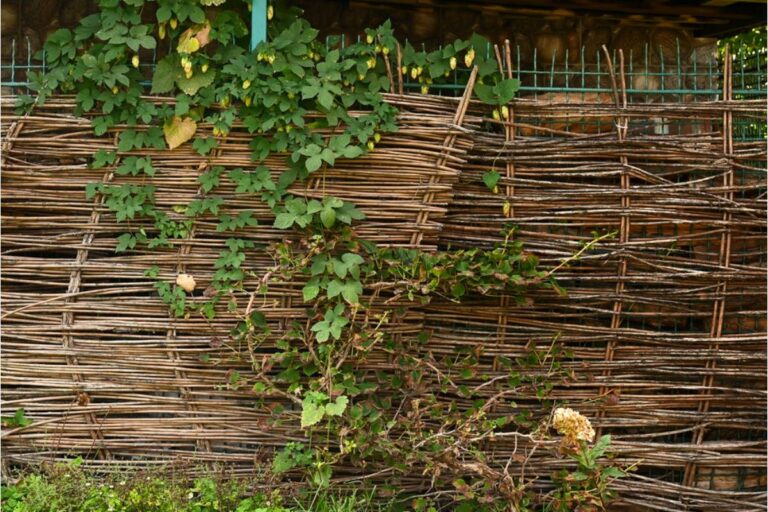
Several people suggested that the simplest answer was a fence. One response from a person summed up the idea with the familiar thought that good fences make good neighbors. Instead of turning every visit from the dog into another argument, a physical boundary could make the rules obvious to everyone.
The homeowner had already planned to build one before meeting the neighbor. Now the project had moved much higher on the priority list. The garden suddenly had a future defense system, and it wasn’t going to require a bark, growl, or garden gnome.
First, Know Exactly Where the Line Is
There was one important detail the homeowner couldn’t afford to ignore. Before installing anything, several people advised her to confirm exactly where the property boundary was located. A fence placed in the wrong spot could turn a simple dog problem into a much bigger dispute.
A response from a person suggested having the property surveyed before digging. That advice became especially useful because the homeowner didn’t want to give the neighbor another reason to argue about where one yard ended and the other began. The garden fence needed to be a boundary, not the opening scene of a property-line mystery.
Some People Wanted a Gentler Approach
Not everyone thought the situation needed to become a neighborhood war. One person pointed out that the dog might simply be doing what he had always done, especially if previous owners had never objected. From that perspective, the animal wasn’t being deliberately disrespectful; he was simply following an old routine.
The homeowner agreed that she liked the dog and enjoyed saying hello to him. Her frustration wasn’t about disliking animals at all. She simply believed that loving a neighbor’s dog and allowing that dog to use your garden as a bathroom were two completely different things.
Then Came the Direct Conversation
Eventually, the homeowner decided that avoiding the conversation would probably make things worse. She approached the neighbor and explained that she had seen the dog in her yard. More importantly, she explained that she had also seen the neighbor watching him while he was there.
The request was surprisingly straightforward: please keep the dog in your own yard. The neighbor agreed, and for the moment, the conversation ended without fireworks, shouting, or dramatic declarations about property rights. The homeowner could finally breathe again, although she couldn’t help wondering whether the peace would last.
Other Gardeners Had Seen Similar Battles
A response from a person described having neighbors who allowed their animals to wander onto private property. Another person explained that they had experienced dogs being brought into their yard because the previous homeowner supposedly didn’t mind. In both cases, the problem became much easier once the new homeowner made the boundary clear.
Someone else shared an even stranger story involving a neighbor who repeatedly entered a yard to cut grass and trim plants. Even after being asked to stop, the behavior continued until a locked fence was installed. The lesson was becoming difficult to miss: sometimes a boundary works better when it is made from wood, wire, or metal instead of words.
The Gardeners Had Plenty of Temporary Ideas
While waiting for a permanent solution, people suggested several ways to discourage the dog from wandering into the garden. Some mentioned garden-safe deterrents, while another person described using a motion-activated sprinkler to startle an unwanted visitor. The suggestions ranged from practical to downright mischievous.
One response from a person jokingly imagined turning the garden into a place where every unauthorized visitor received an unexpected shower. The homeowner didn’t need to declare war on the dog, though. The goal was simply to protect the plants until a proper fence could finally separate the two yards.
Then Someone Shared a Pool Story
One response from a person described moving into a home with a swimming pool and immediately discovering that the previous owners had apparently allowed the neighbor’s dogs to swim there. The new homeowner calmly explained that his pool would not be available for canine recreation. The neighbor seemed shocked and apparently believed the dogs could simply jump the existing fence.
They never did. For the next ten years, the dogs stayed out of the pool, and the two neighbors barely spoke. It was an extreme example of what happens when an old assumption meets a new homeowner who has very different rules.
The Homeowner Finally Saw the Real Pattern
As more stories came in, the homeowner began to recognize something important. The dog wasn’t really the heart of the problem; the assumption that other people’s yards were available for use was. The same attitude could easily affect gardens, fences, flower beds, sheds, or anything else sitting near an unclear boundary.
That realization made the planned fence feel less like an act of hostility and more like ordinary garden infrastructure. A fence would not mean the neighbors had to become enemies. It would simply mean that everyone knew which plants belonged to whom.
The Fence Became the Next Chapter
For now, the homeowner had spoken directly with her neighbor and received an agreement. That was a better outcome than she had feared, especially since she had worried that one uncomfortable conversation might create years of tension. Still, she wasn’t abandoning the fence plan.
The garden had already taught her a valuable lesson about new homes and old habits. Sometimes the previous owners leave behind more than furniture and memories; they leave behind unwritten rules that nobody ever formally agreed to. And when a friendly dog becomes the first creature to cross the line, it may be time to finally draw that line in the garden.
The Twist Wasn’t the Dog After All
The strangest part of the story was that the dog had never really been the villain. He was simply following an open path that had apparently been available to him for years. The real twist was discovering that the human watching him had apparently decided the boundary didn’t matter either.
Now the homeowner knows exactly what she wants from her backyard: healthy plants, peaceful mornings, and a clear line between her garden and everyone else’s habits. The dog can still be friendly, the neighbor can still be neighborly, and the garden can finally stay a garden. Sometimes the best ending to a backyard mystery is not an argument at all, but a fence that quietly says, this side is mine.