Homeowner Says His Neighbor Keeps Letting Ivy Grow Over the Fence Into His Yard, Then Got Upset When He Cut Back the Part on His Own Side
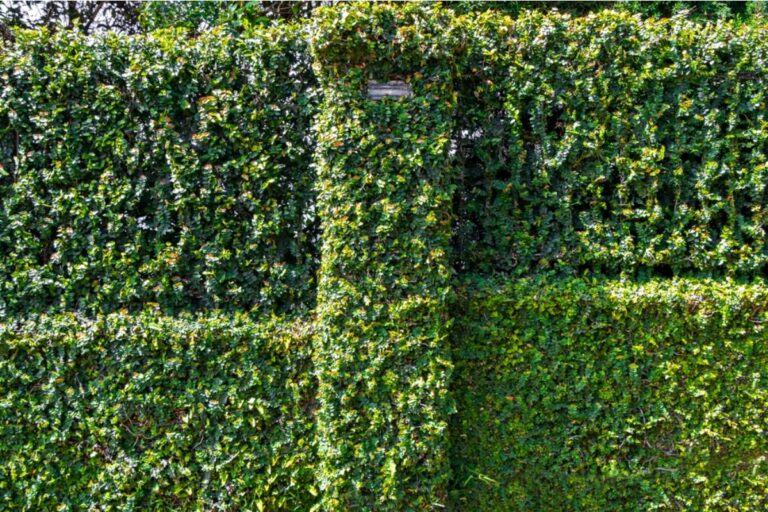
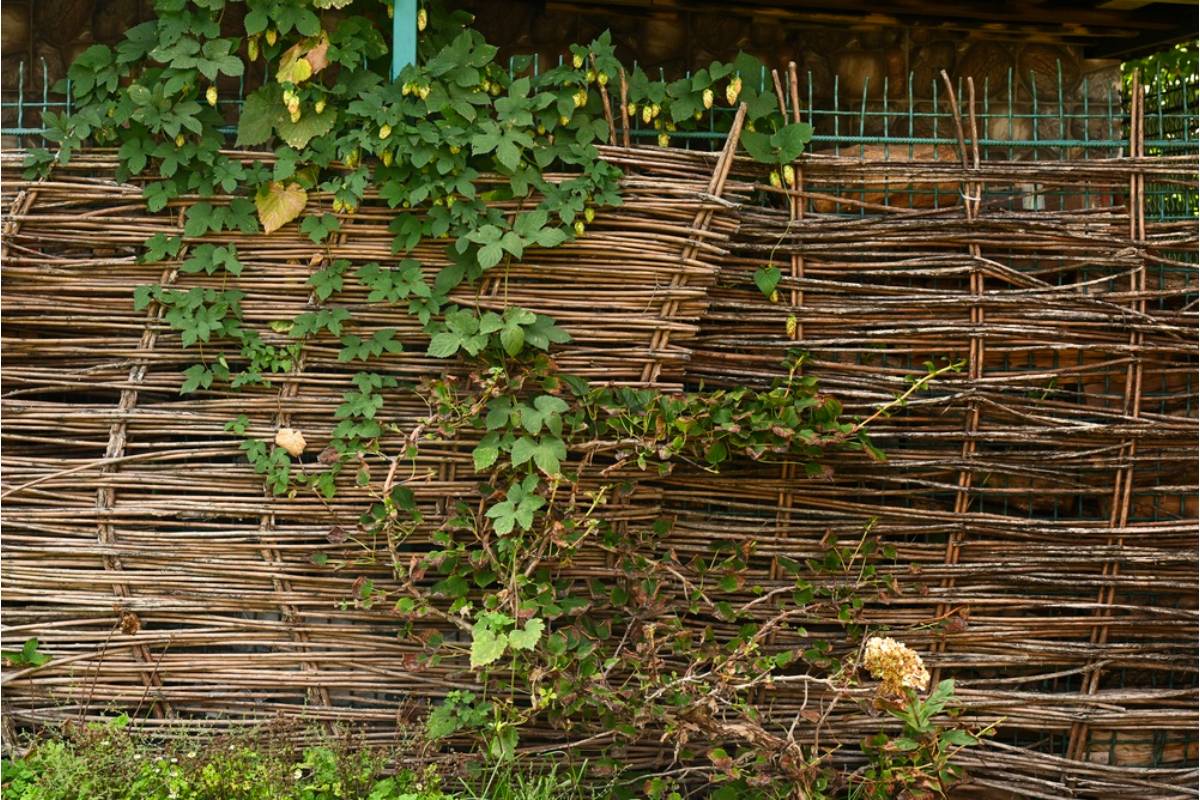
It started with something small that felt almost harmless at first, just a few green tendrils appearing over the top of the fence. The ivy had been growing on the neighbor’s side for years, but it never really crossed the boundary in any meaningful way until recently. Then it began creeping steadily into his yard, wrapping around fence boards and reaching toward his garden beds. At first, he assumed it would be easy to manage with a quick trim here and there. But the plant kept returning faster than he expected.
The First Signs of Overgrowth
He first noticed the ivy while mowing near the fence line and seeing leaves spilling into his side of the yard. It was not aggressive yet, just a few strands hanging loosely over the wood panels. Still, he made a mental note to keep an eye on it. Over the next week, those strands multiplied and started forming thicker clusters. It stopped feeling like decoration and started feeling like intrusion.
A Simple Trim Turns Into a Habit
He took garden shears and carefully cut back the vines that crossed onto his side. It was quick work at first, almost satisfying to keep the boundary clear. But within days, new growth would reappear in the same spots. He found himself repeating the same trimming routine every few mornings. What began as maintenance slowly turned into constant upkeep.
A Conversation Across the Fence
One afternoon he mentioned it to his neighbor while both were outside. He explained that the ivy was spreading onto his property and becoming difficult to control. The neighbor shrugged and said it was just a plant doing what plants do. He added that it looked nice and gave the fence a more natural look. The conversation ended without agreement, just a polite but uneasy silence.
The Ivy Starts Taking More Space
After that conversation, the growth seemed to accelerate. The ivy reached deeper into his yard, curling around small garden stakes and creeping toward the vegetable patch. He started noticing it wrapping around tools left near the fence. Even when trimmed back, it returned thicker than before. It began to feel less like natural growth and more like steady expansion.
Garden Plants Begin to Suffer
The plants closest to the fence line started showing signs of stress. Tomato vines leaned away from the ivy, and herbs near the edge grew unevenly. He checked soil conditions and watering habits but found nothing wrong. The only consistent change was the increasing presence of the ivy. It was beginning to affect more than just the fence line.
The Second Attempt to Set Boundaries
He approached the neighbor again, this time more direct about the impact on his garden. He asked if the ivy could be contained or trimmed from the other side. The neighbor responded that it was planted years ago and had always been part of the yard design. He suggested that cutting it might damage the plant. The conversation ended with no plan for control from the neighbor’s side.
Cutting Back Crosses a Line
After another weekend of heavy growth, he decided to cut back everything that crossed onto his property again. This time he was more thorough, trimming deeper along the fence line to keep it contained. He did not touch the neighbor’s side, only what extended over the boundary. It felt like a reasonable solution to him. He expected it would go unnoticed or at least accepted.
The Neighbor Reacts Unexpectedly
The next day, the neighbor came out visibly upset and immediately questioned why so much had been cut. He claimed the ivy was being damaged and losing its shape. The tone was sharper than any previous conversation between them. The homeowner explained again that he had only trimmed what was on his side. The neighbor insisted that the plant was being harmed regardless of boundaries.
Tension Builds Along the Fence
After that exchange, interactions between them became noticeably colder. The ivy continued to grow, but now every trimming felt like a point of tension rather than routine maintenance. The neighbor began watching more closely whenever he was near the fence. Even small cuts seemed to draw attention. The yard started feeling like a divided space rather than a shared boundary.
A Third Party Offers Perspective
He spoke with a local gardening center employee while buying supplies and described the situation. The employee explained that ivy can be extremely aggressive and difficult to manage once established. They suggested that containment usually requires cooperation from both sides of a fence. That explanation confirmed what he had been feeling but did not solve the issue. It made the situation seem more structural than personal.
Physical Barriers Become Necessary
He eventually installed a simple barrier along the base of the fence to slow the spread. It helped slightly, but the ivy still found ways to climb and extend over the top. He continued trimming regularly, now with more effort required each time. The work became more mechanical than thoughtful. It felt like managing something that refused to follow boundaries.
A Heated Exchange Changes the Dynamic
One afternoon the neighbor confronted him again after noticing a larger cutback. The conversation escalated quickly, with both sides defending their approach. The neighbor accused him of damaging shared property, while he argued he was protecting his own yard. Voices rose enough that it attracted attention from nearby houses. It was the first time the disagreement felt openly visible.
A Compromise Slowly Takes Shape
After a few days of distance, both eventually agreed to try a shared maintenance approach. The neighbor would manage growth on his side more actively, while the homeowner would continue trimming only what crossed over. It was not a perfect solution, but it reduced direct conflict. The ivy was still present, but less chaotic. The situation shifted from confrontation to reluctant cooperation.
The Fence Line Stabilizes Over Time
Weeks later, the growth became more controlled, though still persistent. The ivy remained part of both yards, but its spread was less aggressive. Regular maintenance from both sides kept it in check. The tension did not disappear completely, but it faded into routine awareness. What had started as a small overgrowth issue eventually settled into an uneasy but functional balance.