Homeowner Says Her Neighbor Let Nine Cats Turn Her Garden Into a Litter Box for Fifteen Years, Then She Started Returning Every Mess to the Yard Where It Belonged
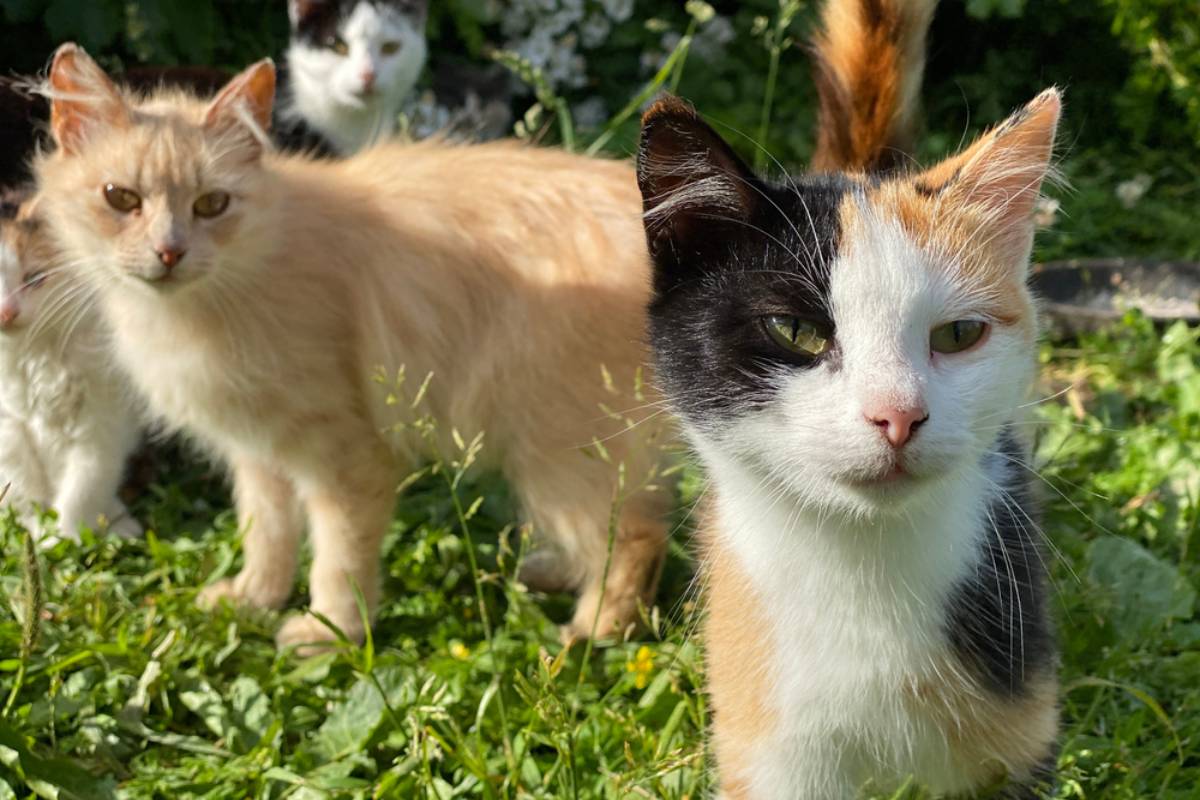
A person shared his story about a neighborhood problem that had been brewing for around fifteen years, and it had nothing to do with unruly children, noisy parties, or a fence that needed replacing. Instead, the trouble came from a neighbor who kept multiple cats, allowing them to roam freely around the neighborhood. What might have seemed like an ordinary pet ownership situation quickly became a nightmare for the household next door, whose garden was repeatedly used as an outdoor litter box.
The homeowner explained that the neighbor had at least eight or nine cats, and whenever one died, she seemed to acquire more. Although the homeowner insisted that he did not hate cats, he was thoroughly fed up with the mess they left behind. His beloved garden had become a place he dreaded cleaning, and the problem was about to become even more personal.
The Cats Treated the Flower Beds Like Their Private Bathroom
For years, the homeowners dealt with the unpleasant consequences of having so many neighborhood cats wandering through their outdoor space. Every morning seemed to bring another round of cleaning, turning what should have been a relaxing gardening routine into an unwanted chore. Instead of enjoying their plants, fresh air, and carefully maintained outdoor space, they found themselves dealing with an increasingly disgusting problem.
The situation became especially frustrating because the mess was not limited to one forgotten corner of the yard. According to the homeowner, the cats repeatedly left waste throughout the garden, creating unpleasant smells and attracting swarms of flies. The place that should have been perfect for enjoying a sunny afternoon had become somewhere the family struggled to use comfortably.
A Toddler Made the Garden Problem Impossible to Ignore
Things became even more difficult when the household had a toddler who loved playing outside. For a young child, the garden should have been a wonderful place to explore flowers, watch insects, and enjoy the outdoors without constantly worrying about what might be hiding in the grass. Unfortunately, the cats’ repeated visits made the space far less suitable for carefree play.
The homeowners now had a problem that went beyond the inconvenience of picking up waste. They wanted their child to enjoy the garden safely, but the constant mess made that difficult to manage. What had once been an irritating neighborhood nuisance had turned into a daily frustration that affected how the entire family used its own backyard.
The Homeowners Tried Every Garden Deterrent They Could Find
Before resorting to retaliation, the homeowners reportedly tried several ways to discourage the cats from visiting their garden. They experimented with sprays, pepper, orange peels, and even planted lavender in the hope that its scent might encourage the unwanted visitors to go elsewhere. Unfortunately, none of these attempts delivered the lasting results they wanted.
Each failed experiment meant another round of cleaning and another reminder that the underlying problem had not changed. Gardening was supposed to involve choosing plants, tending flowers, and watching a landscape flourish, not constantly searching for a new way to protect the lawn from roaming pets. With every unsuccessful attempt, the homeowners grew more convinced that the problem could not be solved through garden remedies alone.
Lavender Could Not Defeat the Neighborhood Cat Army
Lavender is often appreciated for its fragrance, beautiful flowers, and appeal to pollinators, making it a popular addition to many gardens. In this case, however, the homeowners found that planting it did little to discourage the cats from treating their outdoor space as a convenient bathroom. Their experience was a reminder that even a carefully chosen garden plant cannot guarantee protection against determined animal visitors.
The homeowners had tried several different approaches, but the cats continued returning. Their garden was no longer simply a collection of plants that needed occasional maintenance; it had become the center of a long-running dispute with a neighbor who appeared unwilling to take responsibility. Eventually, the family decided that the next step would have to involve the person responsible for the animals rather than the plants themselves.
The Neighbor Had Already Been Asked to Solve the Problem
According to the homeowner, the family had spoken to their neighbor about the situation many times over the years. They were not claiming that the woman had never heard about the mess or had been given no opportunity to address it. Instead, they said her response was essentially that cats behaved naturally and that there was little she could do about it.
That explanation did not satisfy the people whose garden was being affected. They understood that cats could not be expected to behave exactly like people, but they believed that owning several animals came with a responsibility to manage the consequences. After so many unsuccessful conversations, their patience was wearing thin, and the neighborhood relationship was becoming increasingly strained.
The Family Even Bought Litter Trays for Their Neighbor
One of the more surprising details was that the homeowners had gone beyond simply asking their neighbor to do something. They reportedly purchased litter trays and a large bag of litter in an attempt to help her manage the situation. It was an unusually generous gesture from people who were already frustrated by the animals’ behavior.
Unfortunately, the offer did not bring about the change they hoped to see. The homeowner said the supplies went unused, leaving the original problem unresolved and the family still responsible for cleaning up after the cats in their own garden. At that point, it was becoming difficult for them to believe that another polite conversation would make much difference.
The Fence Solution Was Rejected Before It Could Help
The homeowners also said they had discussed ways of making it more difficult for the cats to enter their garden. One possibility involved installing fence toppers, which can sometimes help discourage animals from climbing over certain boundaries. However, the neighbor reportedly objected that the expense was too high.
The homeowner also argued that fence toppers would not necessarily solve the issue because the cats used both the front and back entrances to move around. From the family’s perspective, the discussion had become another dead end in a long series of unsuccessful attempts to find a solution. Their garden remained vulnerable, and they felt that the responsibility for dealing with the mess continued falling on them.
The Garden Owners Finally Decided to Return the Mess
After years of trying deterrents, discussing the problem, and even providing supplies, the homeowners reached a point where they decided to take a different approach. Rather than continuing to dispose of the cats’ waste as they had always done, they began collecting it with a shovel. Their new plan was to put the mess back into the neighbor’s own garden.
The decision was not presented as a gardening technique or a sensible way to manage animal waste. It was a deliberate act of retaliation by people who felt that their repeated attempts to resolve the issue had been ignored. They believed the neighbor should experience the same unpleasant consequences that had been disrupting their outdoor space for years.
The Neighbor Finally Experienced the Problem Herself
The plan produced the kind of reaction the homeowners had apparently been waiting for. The person who shared the story said he overheard his neighbor complaining after she stepped in some of the waste that had been returned to her garden. After years of dealing with the mess themselves, the homeowners saw her reaction as an ironic moment.
For them, the incident highlighted what they considered an obvious double standard. The neighbor had previously dismissed their complaints by saying that cats simply behaved the way cats behaved, yet she was unhappy when the consequences appeared in her own outdoor space. The situation had turned into a bitter neighborhood standoff, with a garden full of unwanted surprises at its center.
A Gardening Dispute Turned Into a Battle of Boundaries
The story illustrates how quickly an outdoor maintenance issue can become a much larger conflict between neighbors. A garden is often a private retreat where people grow flowers, tend vegetables, or simply relax after a long day, and repeated animal waste can make that space unpleasant to use. When conversations fail to produce a solution, even a relatively ordinary problem can turn into a long-running source of resentment.
In this case, the homeowners believed they had exhausted the reasonable options available to them. Their frustration was understandable, particularly because they had a young child who enjoyed playing outdoors, but their chosen response risked making the disagreement even more hostile. Rather than bringing the two households closer to a workable solution, the retaliation added another layer to an already unpleasant relationship.
A Response From a Person Suggested a Different Way to Keep Cats Away
A response from a person suggested using a motion-activated sprinkler as a way to discourage cats from entering the garden. Such devices release a brief burst of water when movement is detected, potentially teaching visiting animals to avoid a particular area without requiring the homeowner to supervise the garden constantly. For someone who wants to protect flower beds and lawn space, it may be a more practical option than repeatedly experimenting with homemade deterrents.
The suggestion also offered a way to address the immediate problem without turning the garden into a battlefield between neighboring households. A motion-activated sprinkler would still need to be positioned carefully, especially in a garden used by a toddler, and it would not guarantee that every cat would stay away. Nevertheless, it represented a different approach from the years of failed attempts described in the story.
Other Gardeners Could Understand the Homeowner’s Frustration
The story raised a familiar question for people who spend time maintaining their outdoor spaces: how much responsibility should a pet owner take when roaming animals repeatedly cause problems on someone else’s property? Gardeners invest time and money in their plants, lawns, and landscaping, and it can be deeply frustrating when those efforts are undermined by a problem they cannot easily control. The addition of a young child made the family’s concerns even more understandable.
At the same time, the situation demonstrated how quickly understandable frustration can lead to choices that make a dispute harder to resolve. Returning waste might have felt satisfying in the moment, but it could also encourage further retaliation and make future conversations more difficult. A clear agreement about managing the cats, combined with humane deterrents and appropriate local guidance, would offer a better chance of protecting the garden over the long term.
Fifteen Years of Cat Trouble Ended With an Uncomfortable Twist
The most striking part of the story was not simply that a neighbor’s cats repeatedly used another family’s garden as a litter box. It was that the homeowners said they had spent years trying different remedies, speaking to the neighbor, and even purchasing litter supplies before deciding to return the waste to its source. Their final act turned a one-sided nuisance into a problem the neighbor could no longer ignore so easily.
Whether the retaliation would persuade the neighbor to change her approach remained uncertain, and the story did not establish that a lasting solution had been reached. What it did reveal was how resentment can build when people feel that their concerns are repeatedly dismissed. For gardeners who simply want to enjoy their own outdoor spaces, the lesson is clear: protecting a garden is important, but finding a sustainable solution is far better than letting a backyard dispute grow into a neighborhood war.